Why environmental claims deserve a closer look now
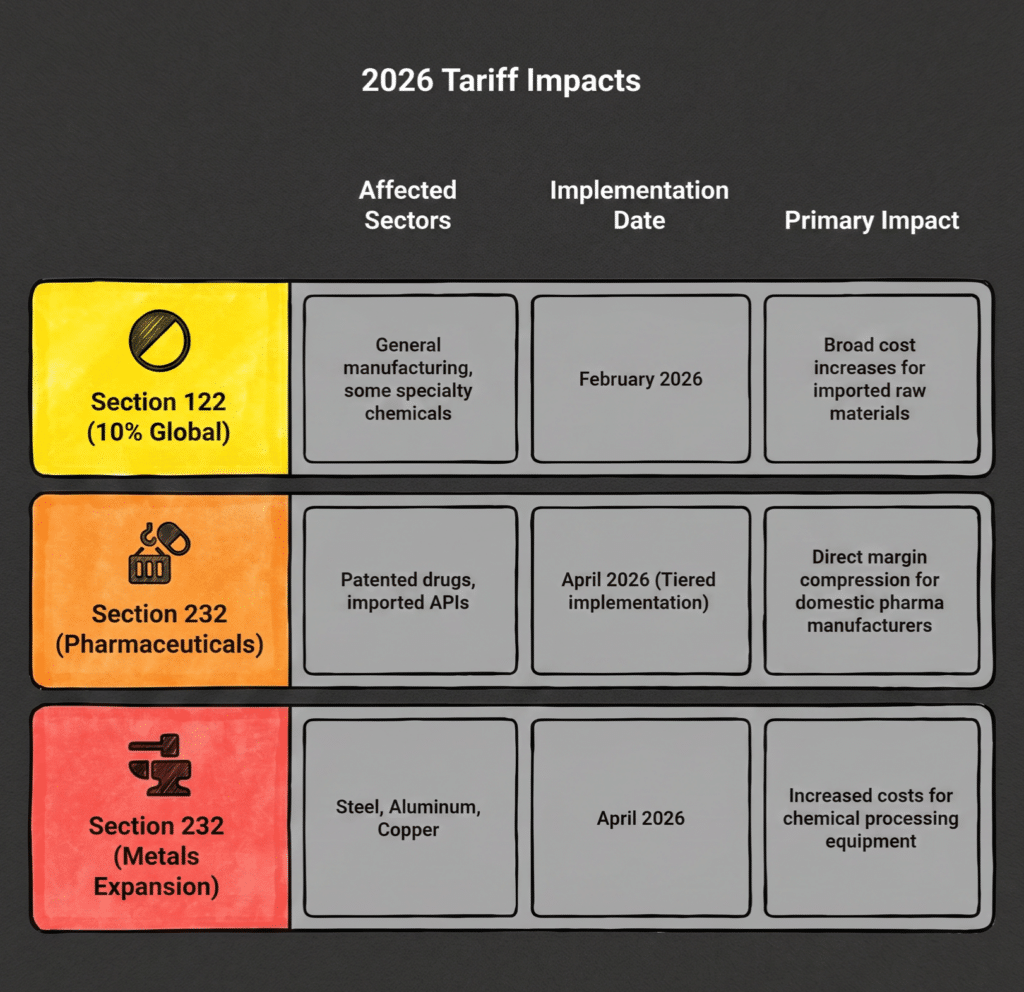
The EU’s Empowering Consumers for the Green Transition Directive sets 27 September 2026 as the application date for national implementing measures. Among its changes are restrictions on generic environmental claims without recognised excellent environmental performance relevant to the claim. It also prohibits certain product-level climate claims based on emissions offsets. A specific environmental claim still needs to be accurate and substantiated. 1 2
These rules primarily concern business-to-consumer commercial practices. They are not a blanket new requirement for every B2B chemical sale, and they should not be presented as a new North American trading law. National implementation and the reach of existing national laws can differ. 2
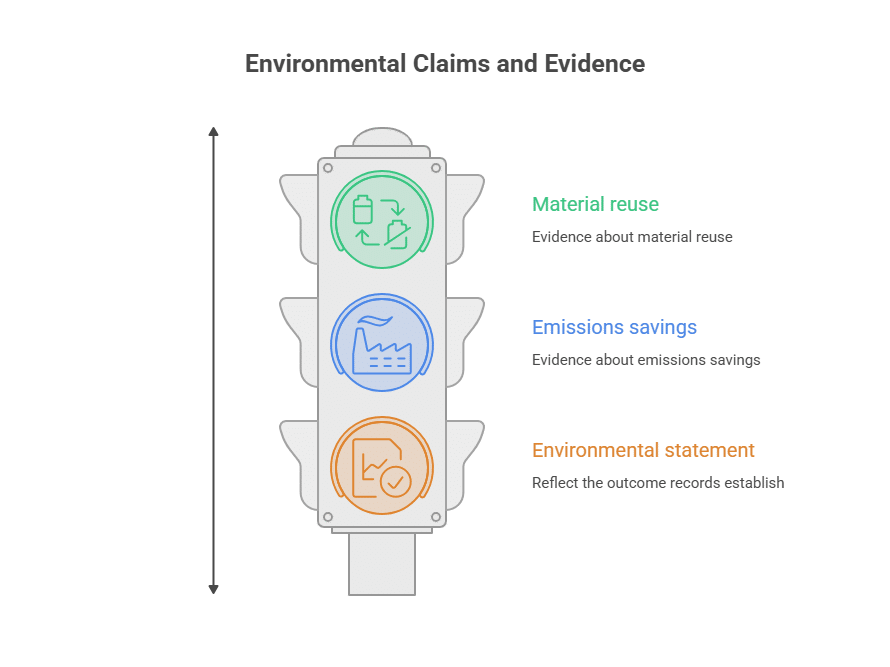
For a surplus chemical seller, the practical lesson does not depend on direct legal coverage: evidence about material reuse and evidence about emissions savings answer different questions. An environmental statement should reflect the outcome the available records actually establish.
A completed sale is not the same as confirmed reuse
An invoice and delivery record can establish that a particular quantity was transferred. They do not necessarily establish that it was used. Material could remain in storage, be resold or be rejected after delivery.
Sellers should therefore discuss evidence with a redistribution partner before completing the transaction. Relevant questions include what information can be shared about the intended application, what confirmation of use could be obtained later and how records will remain linked to the original lot if the stock is split between customers.
Commercial confidentiality is important, but it need not mean abandoning evidence. The parties can agree on a confidential confirmation, restricted-access records or a report using lot identifiers rather than publicly naming the end user. The arrangement should make clear what can be verified and what remains unknown.
The statement “This batch was reused in an approved application” is useful only when actual use has been demonstrated. In this context, “approved” means accepted through the buyer’s qualification process and applicable compliance checks. It does not imply that a regulator endorsed the transaction.
An off-specification result or elapsed shelf-life date should trigger a suitability review, not an automatic environmental claim. Evidence of a sale cannot replace technical assessment, correct product or waste classification, or the requirements of the destination market. If no lawful, suitable reuse route exists, the material needs an appropriate authorised treatment route.
Match the quantity claimed to the quantity confirmed
In a hypothetical example, a seller transfers ten tonnes of surplus material. Later records confirm that seven tonnes were used in a technically suitable application. The remaining three tonnes are still in storage.
The seller can describe a ten-tonne transfer and seven tonnes of confirmed use. It cannot yet describe all ten tonnes as reused. Nor does the seven-tonne figure, by itself, prove that seven tonnes of waste were avoided or that an equivalent quantity of new material was displaced.
Those additional claims require evidence about what would otherwise have happened. A documented disposal plan can help support an avoided-disposal comparison. Evidence about the buyer’s alternative purchase can help support a substitution assessment. Neither should simply be assumed because a secondary sale occurred.
This precision does not weaken the result. It makes the outcome more useful to anyone who needs to review it.
A carbon-saving claim needs a defensible comparison
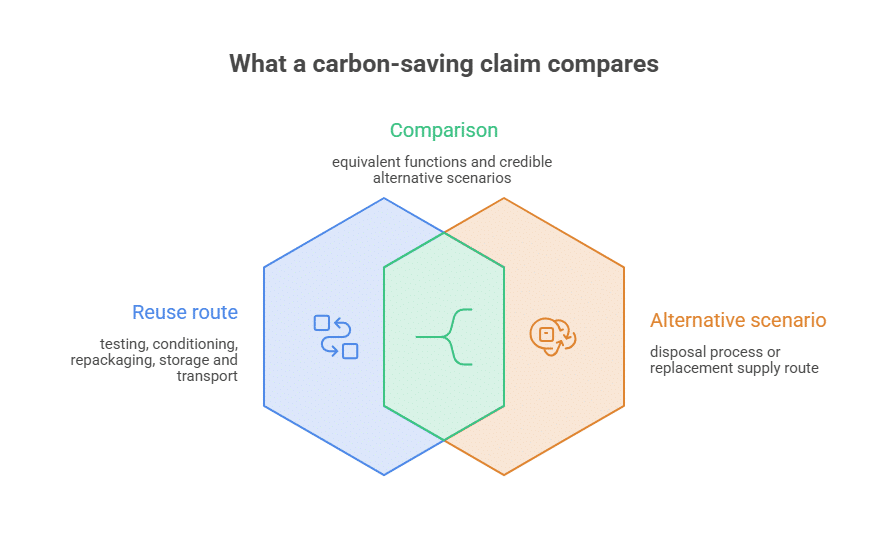
“This material was reused” describes an activity. “This transaction reduced emissions” compares that activity with an alternative scenario.
The comparison should use the most credible alternative, not the one that produces the largest saving. The seller might otherwise have disposed of the stock, held it for later use or found another outlet. The buyer might have purchased newly manufactured material, sourced another surplus lot or made no purchase at all.
The assessment also needs to compare equivalent functions. One tonne of surplus material does not automatically replace one tonne of a different grade. Concentration, performance and process yield may change the amount needed to deliver the same result.
Relevant activities in each scenario should be included. The reuse route may involve testing, conditioning, repackaging, storage and transport. The alternative may involve a different disposal process or a replacement supply route. Where data are uncertain, assumptions should be explained rather than converted into an unsupported exact figure.
GHG Protocol guidance says that reported avoided emissions should disclose the methodology, data sources, system boundaries, time period and baseline assumptions. It also calls for statements on completeness and ownership to help prevent selective reporting and double counting. 3
For sellers, this means asking for more than a headline number. A credible calculation should explain what was compared, which activities were included, what evidence supports the assumptions and how the analysis can be reviewed.
Avoided emissions are not an automatic deduction from a company’s footprint
GHG Protocol distinguishes comparative avoided-emissions reporting from a company’s emissions inventory. It says avoided emissions from sold products must be reported separately from scope 1, scope 2 and scope 3 inventories, rather than deducted from the scope 3 total. These scopes cover direct emissions, emissions from purchased energy and other value-chain emissions, respectively. 3
A seller should therefore not assume that a surplus transaction automatically generates a carbon credit or a deduction equal to the material’s original manufacturing footprint. Any effect on its own emissions inventory needs to be assessed under the applicable accounting method.
If several parties discuss the same transaction, they should also explain their roles and avoid presenting a shared outcome as separate, exclusive savings. A seller, trader and end user may each contribute to reuse; that does not establish three independent emissions reductions.
What a seller should ask a redistribution partner
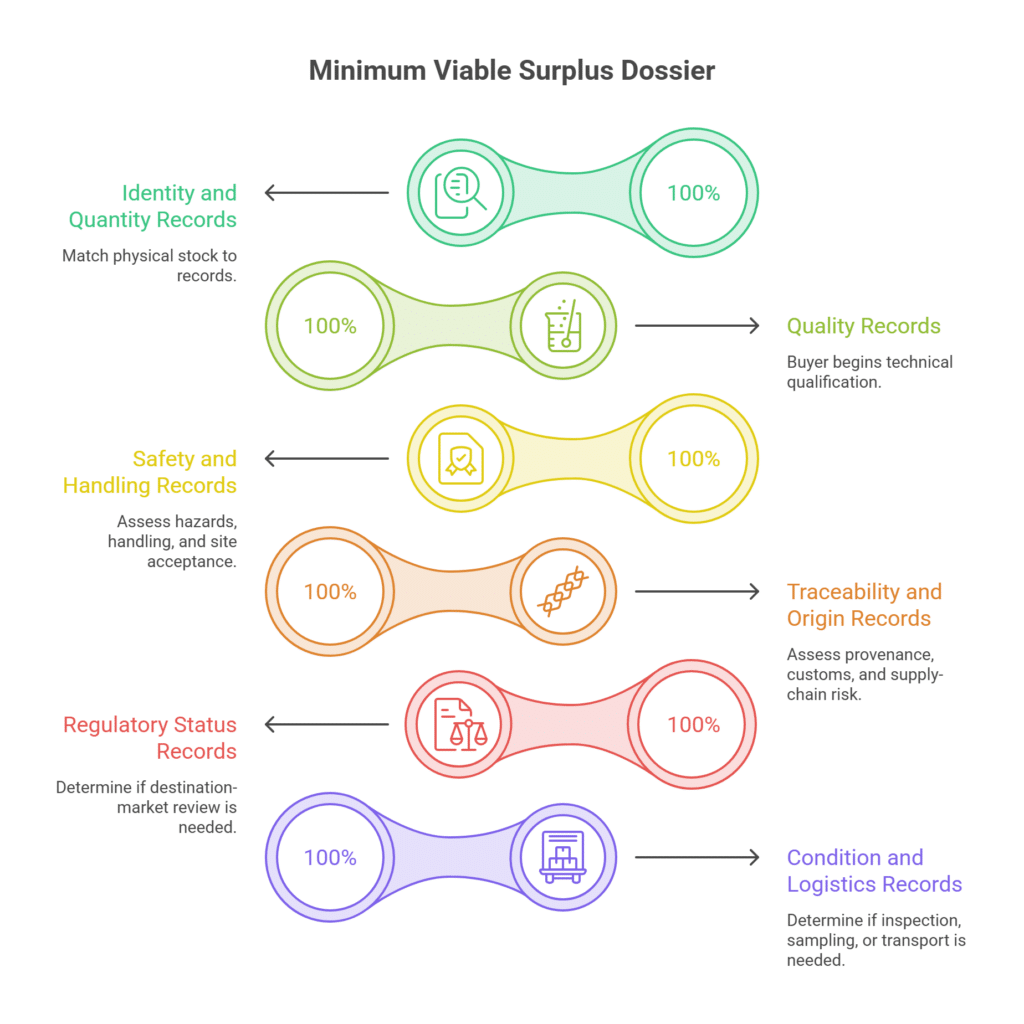
Before relying on a circularity statement, the seller and redistribution partner should agree on a proportionate evidence package:
- Lot identity and quantity. The batch reference should remain linked to shipment records and any subsequent splits. Records should distinguish the quantity sold from the quantity confirmed as used.
- Suitability for the destination application. Technical information, testing and compliance checks should support the proposed use. A certificate of analysis alone does not prove every application is suitable.
- Confirmation of outcome. The parties should define what evidence will distinguish delivery, continued storage and actual use, with agreed timing and confidentiality protections.
- Support for the environmental comparison. Claims of avoided disposal or emissions should be supported by the baseline, boundaries, data sources and relevant additional activities.
- Wording that the evidence supports. The parties should establish what can be stated publicly, what requires qualification and what cannot yet be claimed.
These are practical considerations, not a claim that every transaction needs a full life-cycle study. If the evidence supports only a verified transfer, the statement should describe a transfer. If it supports actual reuse, that outcome can be described. Quantified environmental comparisons should be reserved for cases with the necessary analysis.
Recover value without overstating the outcome
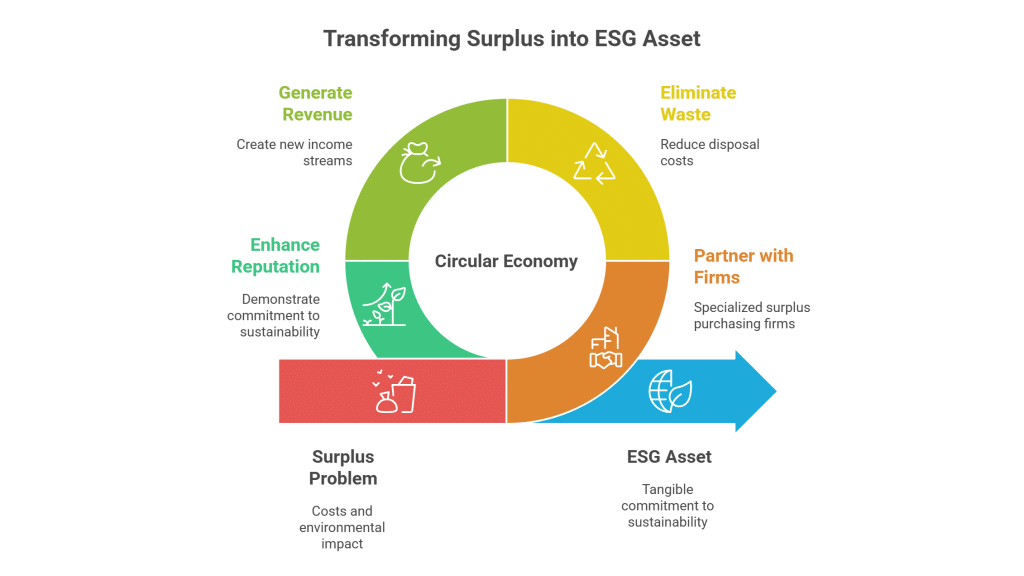
Sur+ procures surplus chemical inventory and works to match it with relevant buyers. That creates a commercial opportunity for sellers whose usable stock no longer fits their own needs. 4
For manufacturers and distributors reviewing slow-moving inventory, the next step is to assess the material and its possible outlet, rather than attach an environmental label before its destination is known. Preserving quality and safety records, and discussing what evidence can follow the transaction, provides a stronger basis for any later claim.
Done well, surplus redistribution gives sellers a stronger account of the outcome: value recovered, a suitable use established and an outcome described accurately. The environmental claim should be no broader than the evidence behind it.
Manufacturers and distributors holding surplus chemical inventory can contact us to discuss a potential outlet and the information needed to assess the lot.