
The Transformative Power of Green Chemistry: Principles, Benefits, and Industry Impact for Healthcare
In an era where global supply chains are increasingly scrutinized for their environmental footprint and resilience, understanding fundamental green chemistry principles has become a strategic imperative, particularly within the healthcare and pharmaceutical sectors. For procurement officers like Jordi and Alessio, navigating volatile markets while balancing cost, quality, and compliance is a constant challenge. For sustainability leaders like Alessia, the mandate to reduce CO₂e emissions and embed sustainable practices across complex value chains demands innovative solutions. Green chemistry offers a powerful framework to address these very concerns, moving beyond mere compliance to proactive innovation that delivers both environmental and economic benefits.

This article delves into the foundational concepts of green chemistry, outlining its core principles, contrasting it with traditional chemical approaches, and highlighting its critical role in building a more sustainable and resilient future for the healthcare industry. It’s an essential read for decision-makers seeking to understand the deep-seated benefits of sustainable chemical innovation.
What Are the 12 Green Chemistry Principles?
Green chemistry is not just about making chemicals ‘green’; it’s a preventative approach to designing chemical products and processes that reduce or eliminate the use and generation of hazardous substances. Developed by Paul Anastas and John Warner, these twelve principles serve as a guiding philosophy for chemists, engineers, and industry leaders aiming for sustainable practices:
- Prevent Waste: It is better to prevent waste than to treat or clean up waste after it has been created. For procurement, this translates directly into reduced disposal costs and fewer regulatory headaches, mitigating risks associated with waste management.
- Atom Economy: Synthetic methods should be designed to maximize the incorporation of all materials used in the process into the final product. This principle directly impacts efficiency and cost, as less raw material is wasted, a key concern for optimizing spend.
- Less Hazardous Chemical Syntheses: Wherever practicable, synthetic methods should be designed to use and generate substances that possess little or no toxicity to human health and the environment. This significantly reduces risks for workers and minimizes environmental impact, crucial for compliance and safety.
- Designing Safer Chemicals: Chemical products should be designed to preserve efficacy of function while reducing toxicity. This fosters innovation in product development that inherently reduces downstream risks and enhances product safety profiles.
- Safer Solvents and Auxiliaries: The use of auxiliary substances (e.g., solvents, separation agents, etc.) should be made unnecessary wherever possible and, when used, should be innocuous. Reducing hazardous solvent use improves working conditions and simplifies waste treatment, addressing operational safety and environmental responsibility.
- Design for Energy Efficiency: Energy requirements of chemical processes should be recognized for their environmental and economic impacts and should be minimized. This directly supports CO₂e reduction goals and offers significant operational cost savings.
- Use of Renewable Feedstocks: A raw material or feedstock should be renewable rather than depleting whenever technically and economically practicable. Shifting to renewable sources enhances supply chain resilience by reducing dependence on finite, often volatile, fossil-based resources.
- Reduce Derivatives: Unnecessary derivatization (use of blocking groups, protection/de-protection, temporary modification of physical/chemical processes) should be minimized or avoided if possible, because such steps require additional reagents and can generate waste. Simpler processes mean fewer steps, less waste, and greater efficiency.
- Catalysis: Catalytic reagents (as selective as possible) are superior to stoichiometric reagents. Catalysts can be used in small amounts and regenerated, leading to higher efficiency and reduced waste compared to reagents that are consumed in the reaction.
- Design for Degradation: Chemical products should be designed so that at the end of their function they break down into innocuous degradation products and do not persist in the environment. This addresses end-of-life concerns and reduces long-term environmental pollution, a critical aspect of product stewardship.
- Real-time Analysis for Pollution Prevention: Analytical methodologies need to be further developed to allow for real-time, in-process monitoring and control prior to the formation of hazardous substances. Proactive monitoring helps prevent issues before they arise, enhancing safety and compliance.
- Inherently Safer Chemistry for Accident Prevention: Substances and the form of a substance used in a chemical process should be chosen to minimize the potential for chemical accidents, including releases, explosions, and fires. This is paramount for worker safety and preventing costly operational disruptions, directly impacting risk mitigation strategies.
Green Chemistry vs Conventional Chemistry: A Paradigm Shift
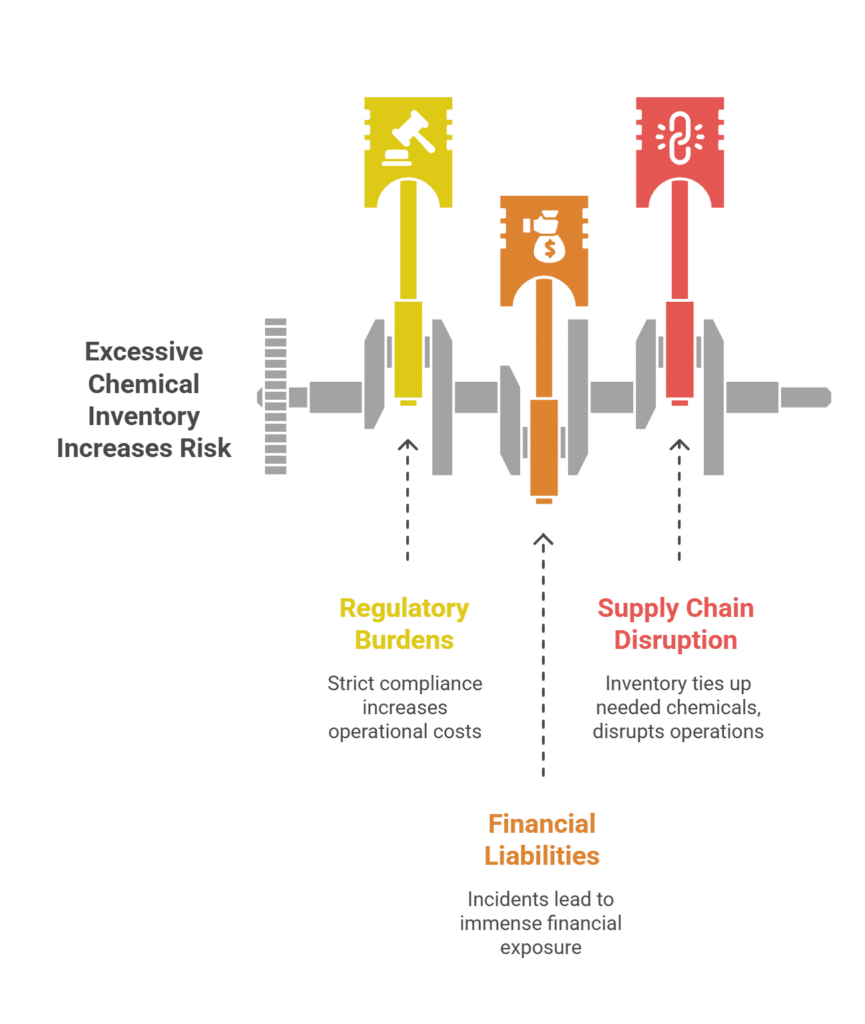
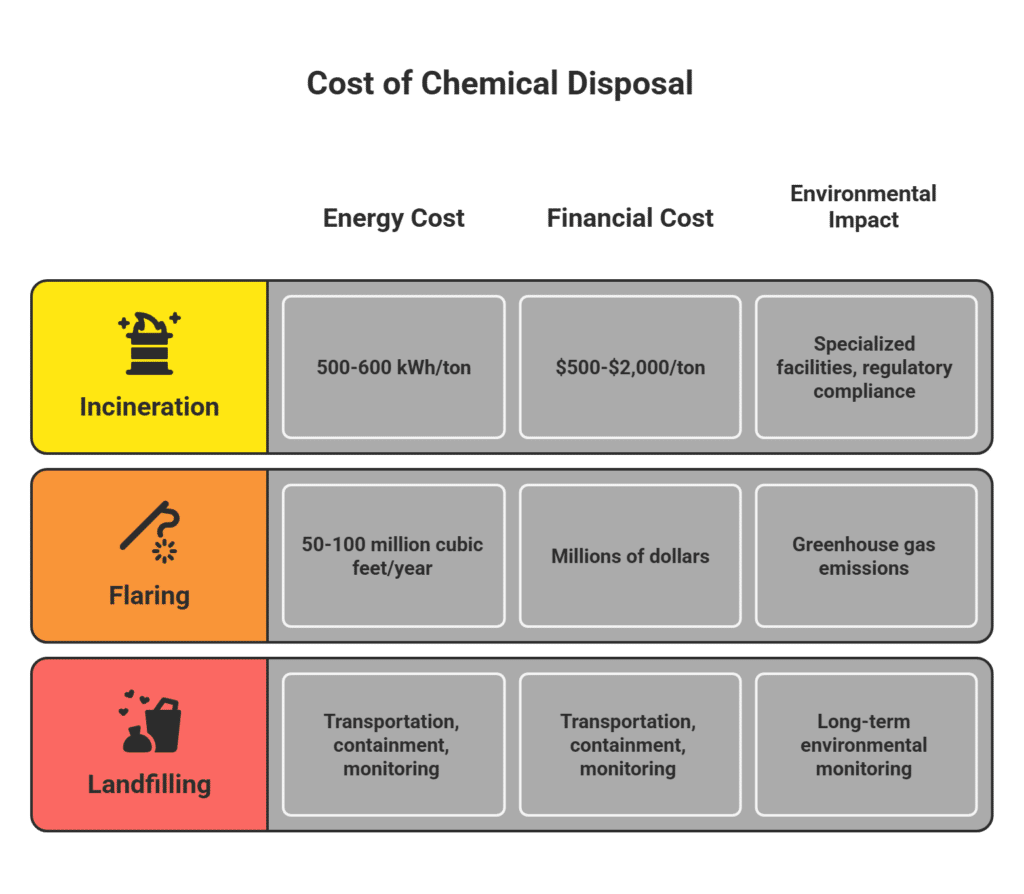
The distinction between green chemistry vs conventional chemistry is profound, representing a fundamental shift in mindset. Conventional chemistry often focuses on synthesizing a desired product, with waste and hazards being byproducts to be managed after the fact. This reactive approach frequently involves the use of highly toxic reagents, large quantities of hazardous solvents, and energy-intensive processes, leading to significant waste streams that require costly and complex disposal. For procurement and manufacturing leaders, this translates to heightened regulatory burdens, potential for supply chain disruptions due to hazardous material sourcing, and elevated risks for worker safety and environmental contamination.
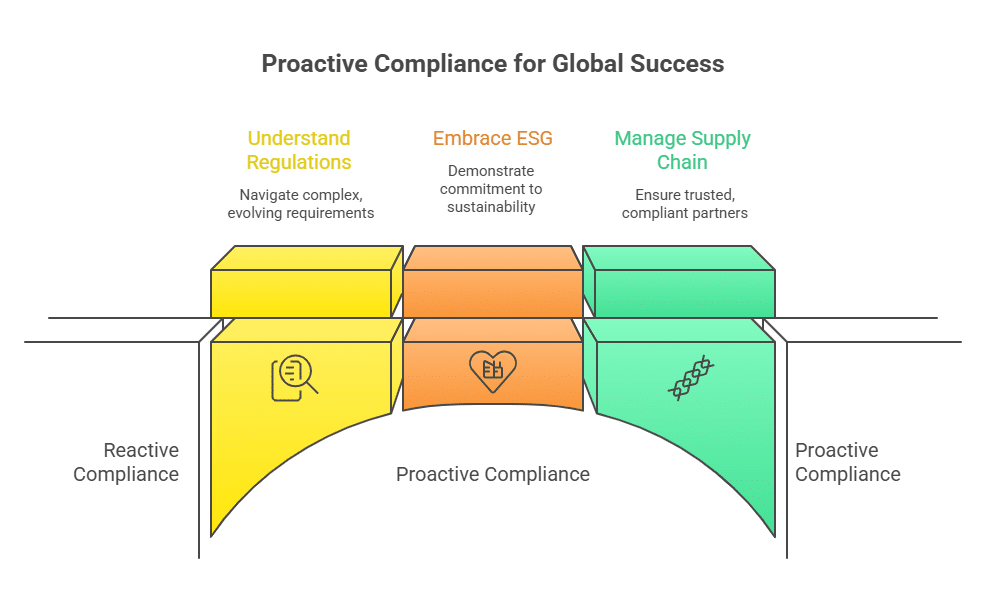
Green chemistry, on the other hand, is inherently proactive and preventative. It integrates environmental considerations from the very design phase of a chemical process or product. By prioritizing waste prevention, atom economy, and the use of safer chemicals and solvents, green chemistry aims to eliminate hazards at their source. This not only reduces the environmental footprint but also simplifies manufacturing processes, improves safety profiles, and can lead to substantial long-term cost savings. It’s about designing sustainability into the very fabric of chemical production, rather than treating it as an afterthought.
Why is Green Chemistry Important for Industry, Especially Healthcare?
Understanding why is green chemistry important for industry reveals its multifaceted benefits, particularly for sectors as critical and regulated as healthcare. The drive for sustainability isn’t merely an ethical choice; it’s a strategic imperative that impacts everything from supply chain resilience to financial performance and brand reputation. For decision-makers wrestling with complex challenges, green chemistry offers tangible solutions.
Enhancing Supply Chain Resilience and Ethical Sourcing
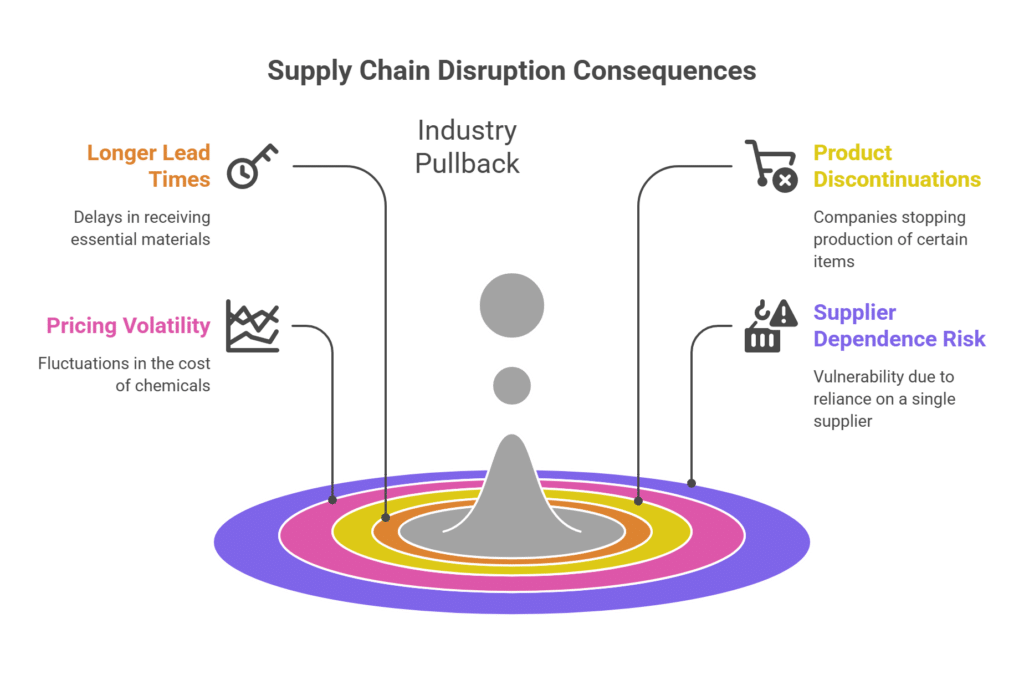
For procurement leaders like Jordi and Alessio, navigating complex and volatile global supply chains is a constant battle. Green chemistry directly addresses this by fostering processes that rely less on hazardous, often volatile, raw materials. By reducing the need for toxic or scarce reagents, companies can de-risk their sourcing strategies, build more stable and ethical supply chains, and mitigate the impact of geopolitical disruptions. This shift towards safer, more abundant, and often renewable feedstocks creates greater predictability and reduces dependence on single-source, high-risk suppliers, ensuring continuity of critical inputs for pharmaceutical APIs and other healthcare components.
Driving Cost Efficiency and Innovation
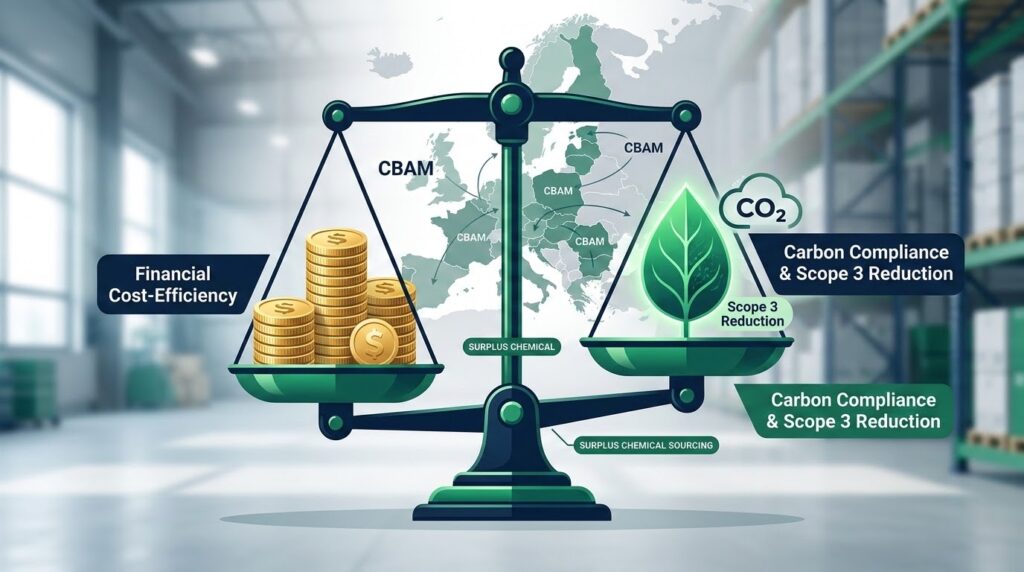
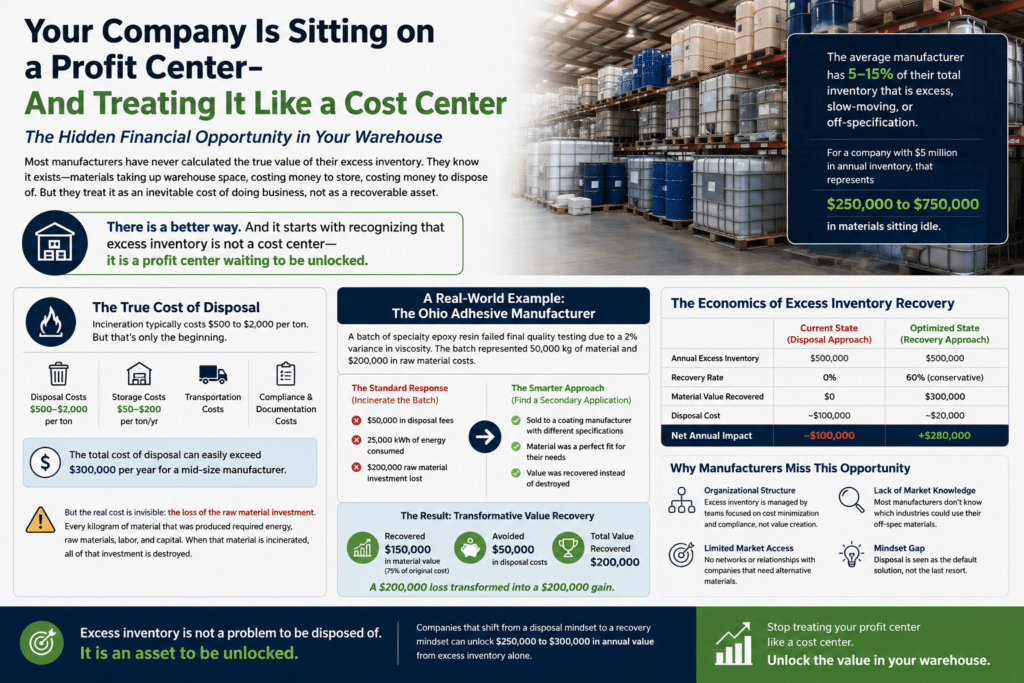
While the initial investment in adopting green chemistry principles might seem significant, the long-term economic benefits are compelling. Waste prevention, increased atom economy, and the use of more efficient catalysts directly translate into reduced raw material consumption and lower waste disposal costs. Energy-efficient processes decrease operational expenditures, while the use of safer solvents can simplify purification steps and reduce the need for specialized, costly safety equipment. These efficiencies contribute to optimizing global procurement spend and driving significant cost savings, aligning perfectly with the goals of strategic acquirers. Furthermore, the inherent focus on innovation in green chemistry can lead to novel, patented processes and products, offering a competitive edge and new revenue streams.
Meeting Stringent Regulatory and Sustainability Goals
Alessia’s challenge of accurately measuring and verifying Scope 3 emissions and driving CO₂e reduction across a complex global supply chain is precisely where green chemistry shines. By designing chemicals and processes that are inherently less hazardous and more energy-efficient, companies can directly contribute to reducing their environmental footprint and achieving ambitious sustainability targets. Green chemistry provides verifiable methods for reducing waste, energy consumption, and the generation of greenhouse gases, offering concrete data to support sustainability reporting and demonstrate leadership. Adopting these practices not only ensures compliance with increasingly stringent environmental regulations but also enhances corporate social responsibility and strengthens brand reputation among environmentally conscious stakeholders.
Implementing Green Chemistry: Challenges and Opportunities
Transitioning to green chemistry is a journey that requires commitment, investment, and a willingness to innovate. Challenges include initial R&D costs, the need for new analytical tools, and retraining personnel. However, the opportunities far outweigh these hurdles. The journey towards greater sustainability in the chemical industry is multifaceted, requiring a holistic approach that integrates environmental, social, and economic considerations into every decision. For organizations committed to long-term resilience and innovation, adopting sustainable chemical production methods is paramount.
Embracing green chemistry principles allows companies to not only meet regulatory demands but also to anticipate future market needs, foster a culture of innovation, and build a more resilient and ethical supply chain. Understanding the best practices for chemical industry sustainability can guide this transition, turning potential frustrations into strategic advantages.
Conclusion
For leaders in procurement, business development, and sustainability, embracing green chemistry principles is no longer a niche concern but a strategic imperative. It offers a clear pathway to navigate complex supply chain dynamics, mitigate procurement risks, reduce operational costs, and achieve ambitious sustainability goals. By designing chemicals and processes with prevention at their core, the healthcare industry can unlock new levels of efficiency, safety, and environmental stewardship, ensuring a robust, ethical, and sustainable future for all stakeholders. The transformative power of green chemistry lies in its ability to align economic prosperity with environmental responsibility, creating lasting value across the entire chemical value chain.