
The Garden Grove Wake-Up Call: Why Chemical Storage Failures Expose the Case for Surplus Redistribution
In late May 2026, a thermal issue involving a 34,000-gallon storage tank of methyl methacrylate (MMA) at the GKN Aerospace Transparency Systems facility in Garden Grove triggered mandatory evacuation orders affecting approximately 60,000 residents across multiple cities [1]. The tank, which still contained between 6,000 and 7,000 gallons of the highly volatile chemical, overheated to dangerous levels, presenting a severe risk of a boiling liquid expanding vapor explosion (BLEVE) [1].
The global supply chain is intricate, and the vulnerabilities within it are often hidden in plain sight. Recently, the chemical industry and the surrounding communities received a stark reminder of these vulnerabilities. The near-catastrophic chemical emergency in Garden Grove, California, has ignited a necessary conversation about the inherent risks of storing large quantities of hazardous materials, particularly when that inventory is in excess of immediate production needs.
This incident is not just a localized safety failure; it is a wake-up call for procurement leaders, facility managers, and corporate boards worldwide to reevaluate their chemical inventory strategies.
The Anatomy of a Near-Miss
In late May 2026, a thermal issue involving a 34,000-gallon storage tank of methyl methacrylate (MMA) at the GKN Aerospace Transparency Systems facility in Garden Grove triggered mandatory evacuation orders affecting approximately 60,000 residents across multiple cities [1]. The tank, which still contained between 6,000 and 7,000 gallons of the highly volatile chemical, overheated to dangerous levels, presenting a severe risk of a boiling liquid expanding vapor explosion (BLEVE) [1].
While a catastrophe was ultimately averted when the tank cracked and relieved pressure, the fallout has been significant. The facility, which generated £136 million in sales in fiscal 2025, faced immediate operational shutdowns [1]. Furthermore, the company is now facing over 40 lawsuits from affected residents and intense scrutiny from regulatory bodies [2]. This is compounded by a history of safety issues; public records indicate the facility had previously accumulated 10 safety violations across four Cal/OSHA inspections and settled an air quality safety violation for $900,000 in 2021 [3] [4].
The True Cost of Excess Inventory
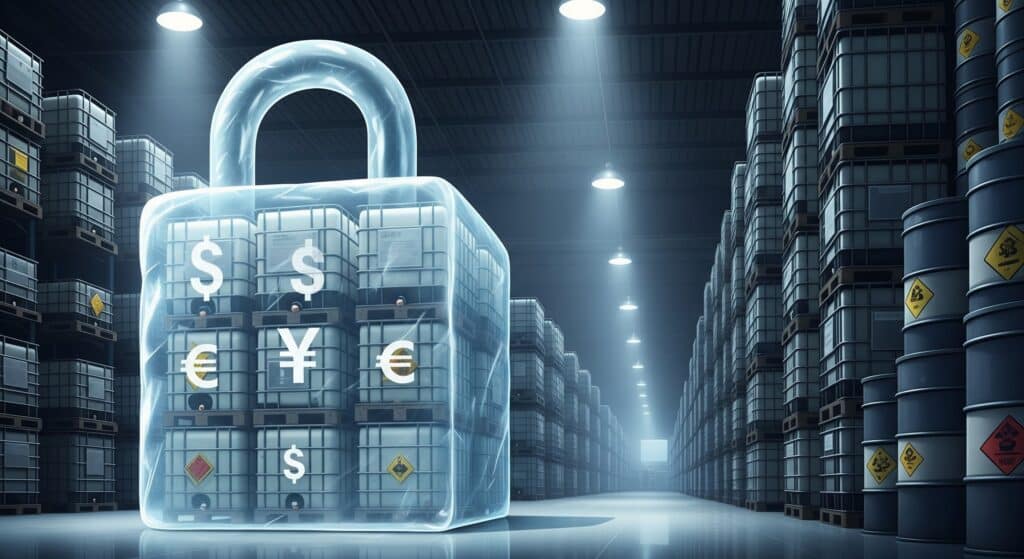
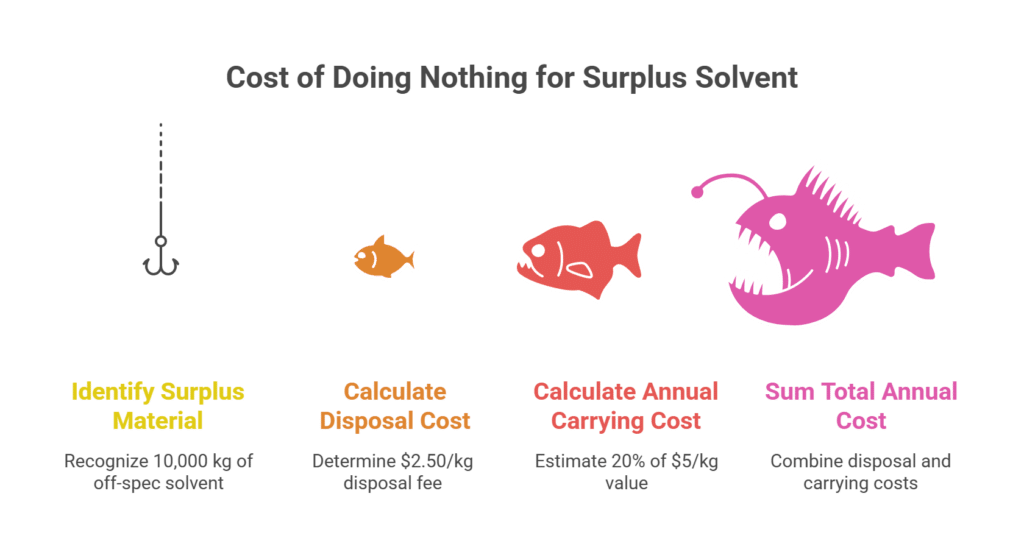
The Garden Grove incident vividly illustrates that chemical inventory is not merely a line item on a balance sheet; it is a dynamic physical asset that carries substantial risk. When companies hold onto excess, off-spec, or obsolete chemicals, they are accumulating liability.
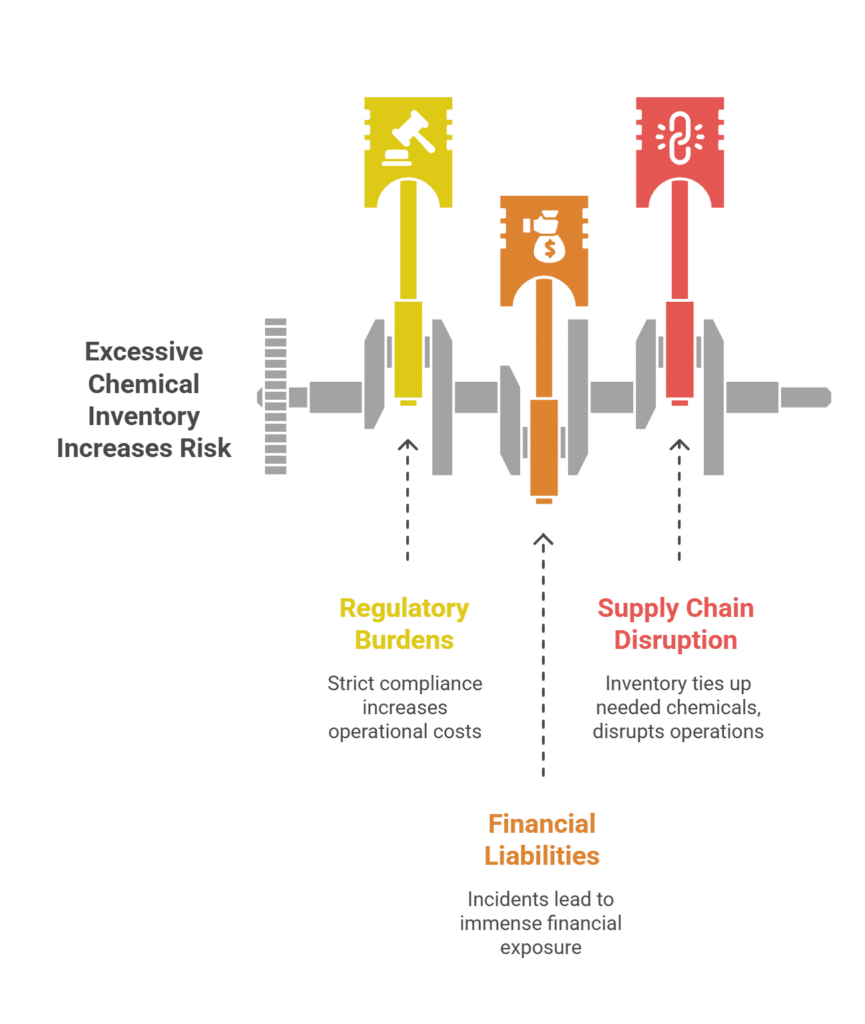
- Regulatory and Compliance Burdens Storing hazardous chemicals requires strict adherence to complex regulations from agencies like the EPA and OSHA. Compliance involves rigorous monitoring, specialized storage infrastructure, and constant maintenance. A single compliance failure can result in six-figure fines, facility closures, and irreparable reputational damage.
- Financial Liabilities and Insurance The financial exposure of a chemical incident is immense. Companies must carry costly environmental liability insurance to protect against spills and contamination. In the event of an accident, companies can be held liable for government cleanup costs, natural resource damages, and civil lawsuits, as seen in the aftermath of the Garden Grove evacuation [2].
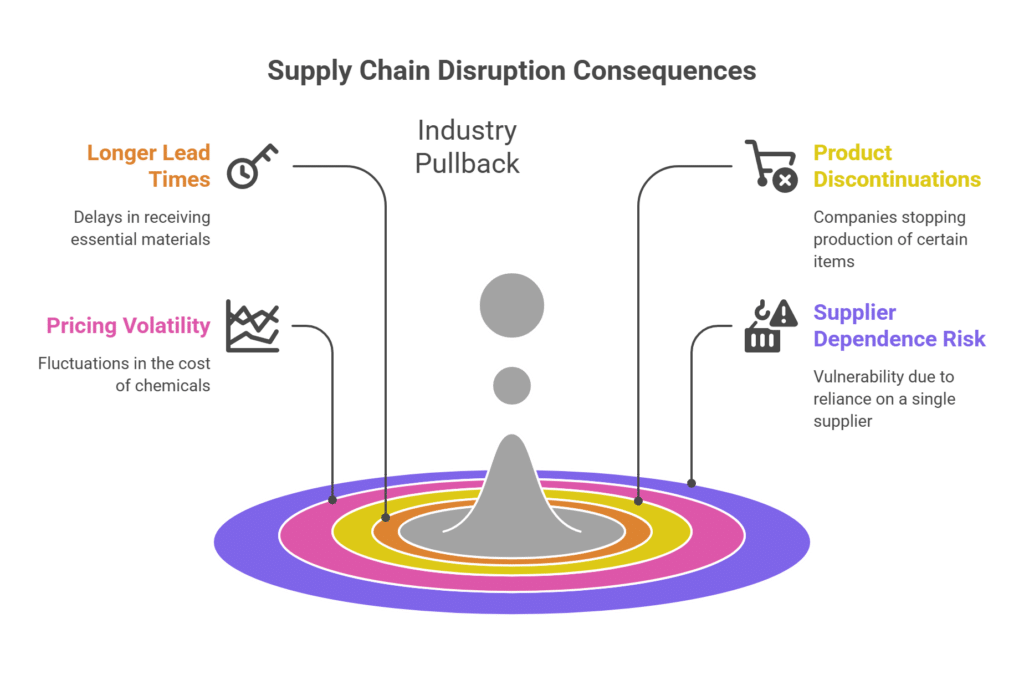
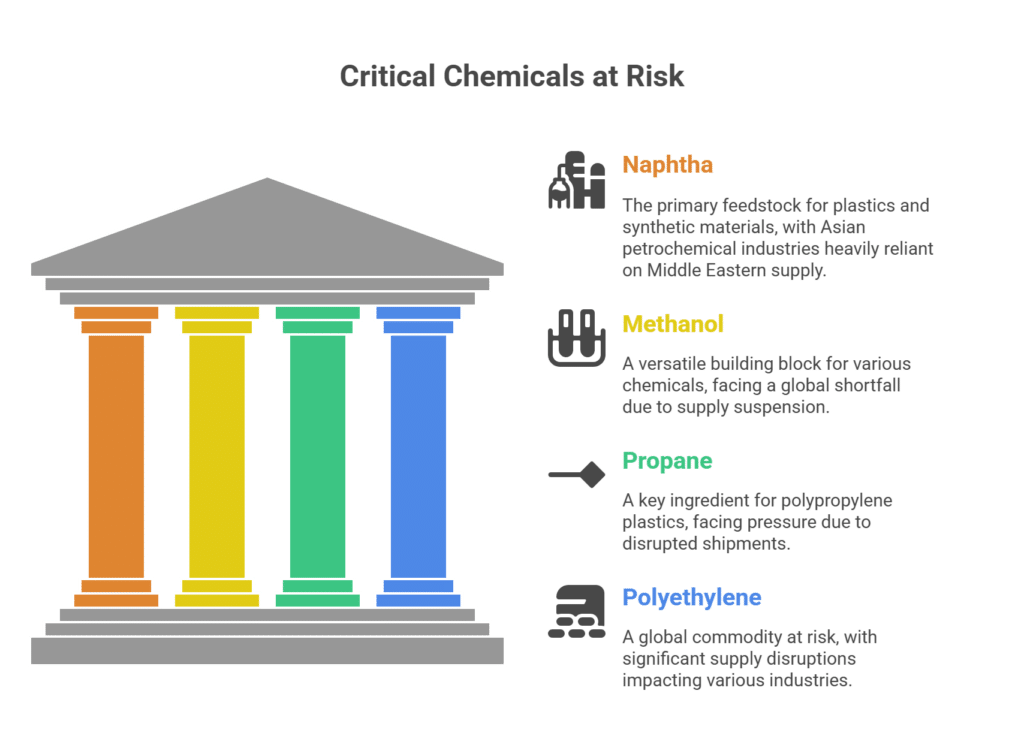
- Supply Chain Disruption The irony of the Garden Grove incident is that it occurred during a period of intense market strain for MMA. Due to geopolitical tensions and disruptions in the Strait of Hormuz, MMA prices had recently surged from below $800 per tonne to around $1,200 per tonne [5]. Storing chemicals that are desperately needed elsewhere in the market while exposing a facility to operational shutdowns is a dual failure of risk management and capital allocation.
The Strategic Solution: Surplus Redistribution
The most effective way to manage the risk of excess chemical inventory is to eliminate it. This is where the strategic redistribution of surplus chemicals becomes a critical component of modern manufacturing.
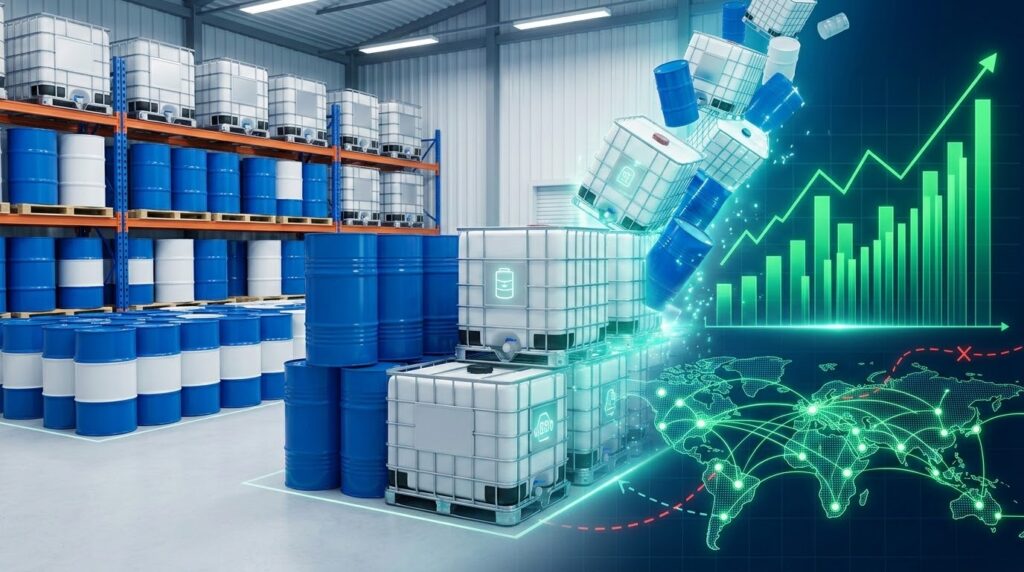
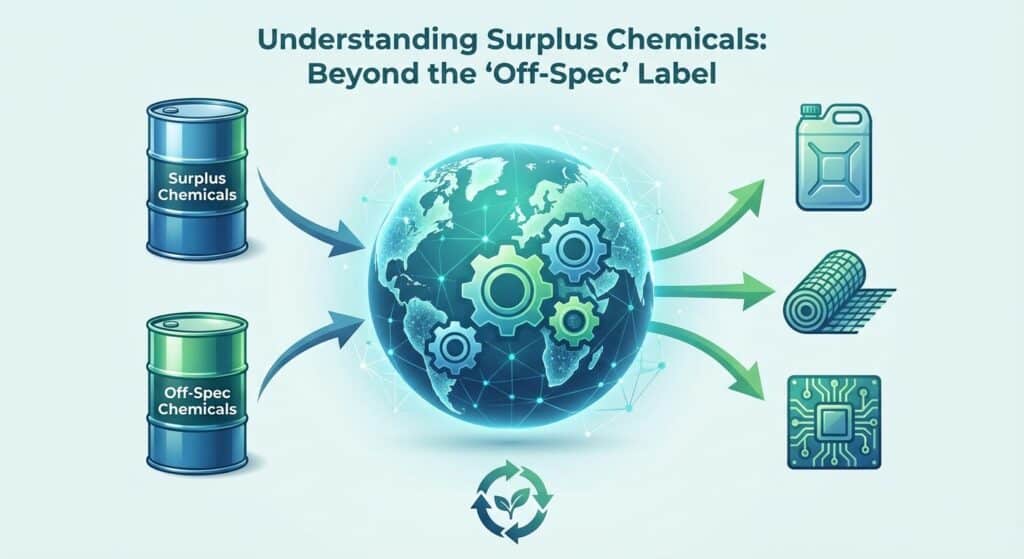
Instead of treating unused chemicals as a sunk cost to be stored indefinitely or a waste product to be incinerated, companies can leverage the surplus market. Surplus redistribution involves identifying off-spec, expired, or simply unneeded chemicals and matching them with buyers who can utilize them in their own processes.
Benefits of Surplus Redistribution:
- Risk Mitigation: Removing hazardous materials from a facility immediately lowers the risk profile, reducing the likelihood of thermal runaways, leaks, or compliance violations.
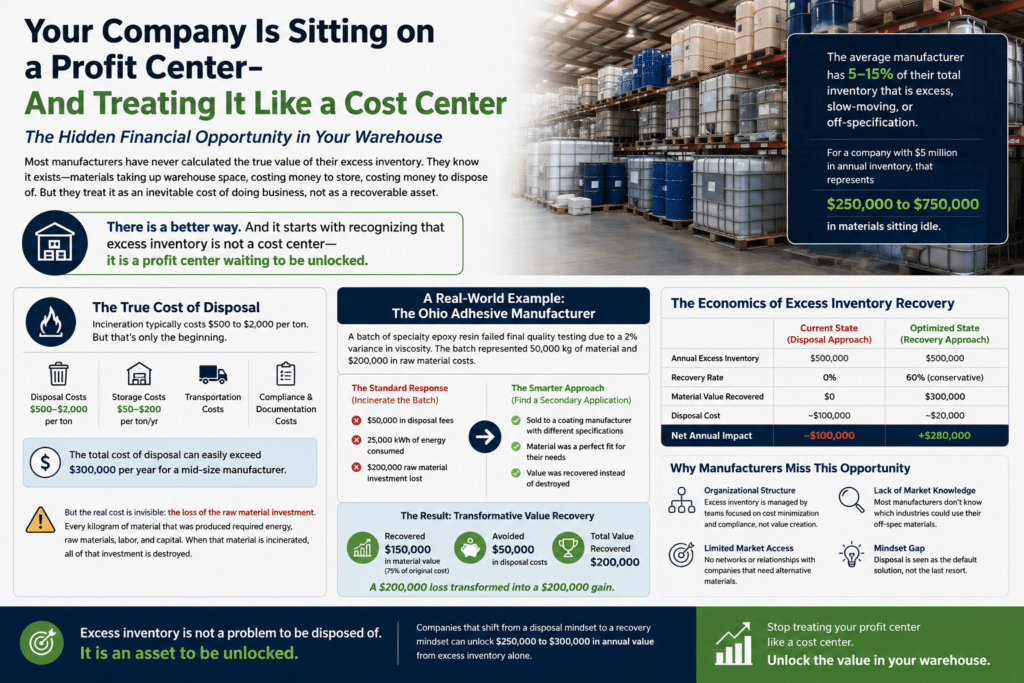
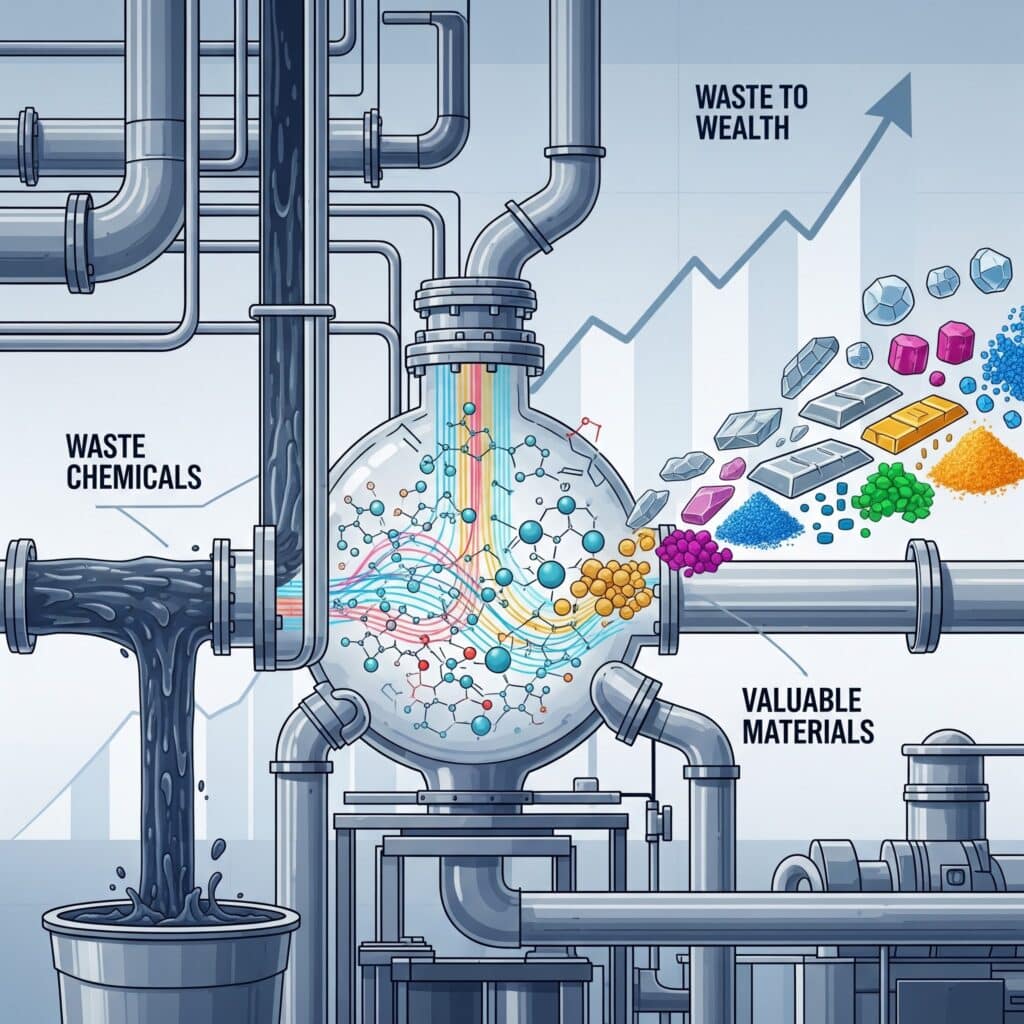
- Cost Recovery: Transforming a storage liability into a revenue stream by selling the surplus materials.
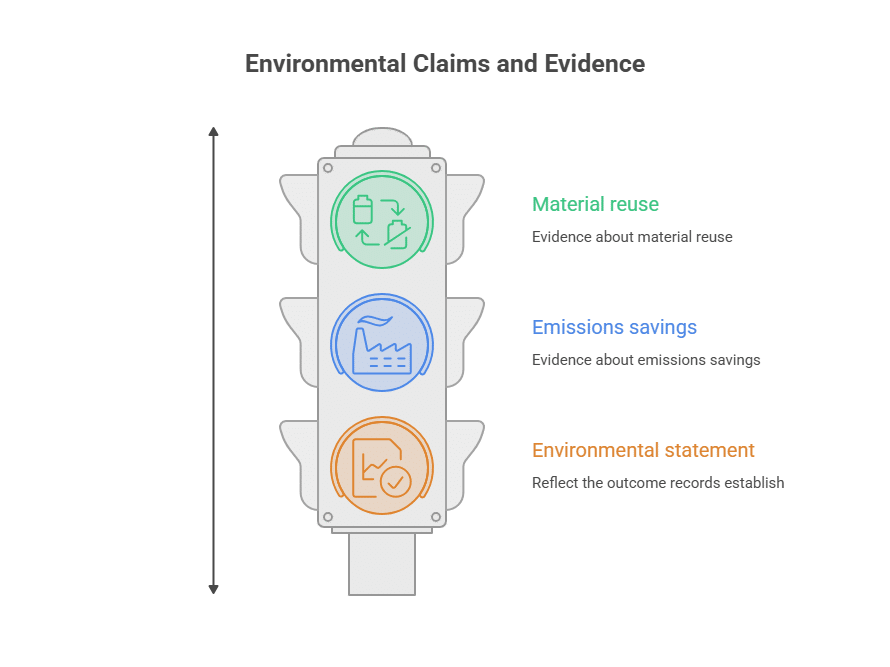
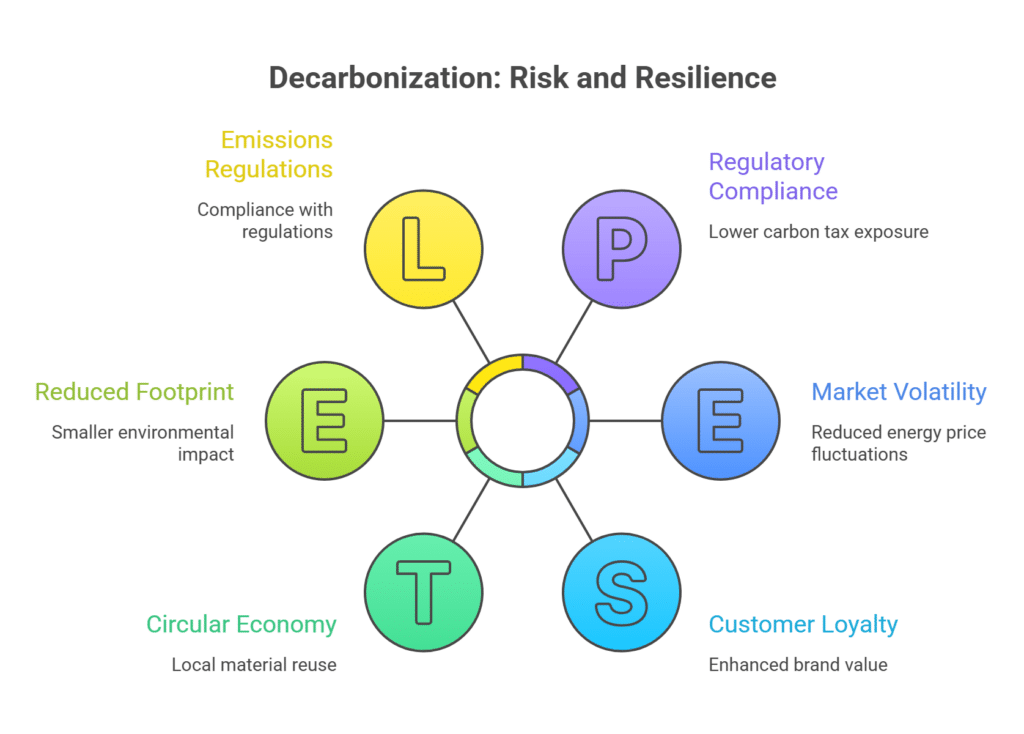
- Environmental Responsibility: Reusing chemicals supports the circular economy, reducing the need for virgin chemical production and minimizing the environmental footprint of disposal.
At Surplus International, we facilitate this exact transition. By connecting sellers of excess inventory with a global network of buyers, we help companies streamline their operations, improve safety, and recover capital.
The events in Garden Grove serve as a powerful lesson. Storing chemicals you do not actively need is a gamble with safety, compliance, and capital. It is time for the industry to embrace surplus redistribution not just as a financial tool, but as a fundamental pillar of risk management.
MMA is a highly volatile and flammable clear liquid. It releases energy exothermically when it reacts, meaning it generates heat. If stored improperly or if stabilizing inhibitors fail, it can undergo a thermal runaway, leading to extreme pressure buildup and potential explosions.
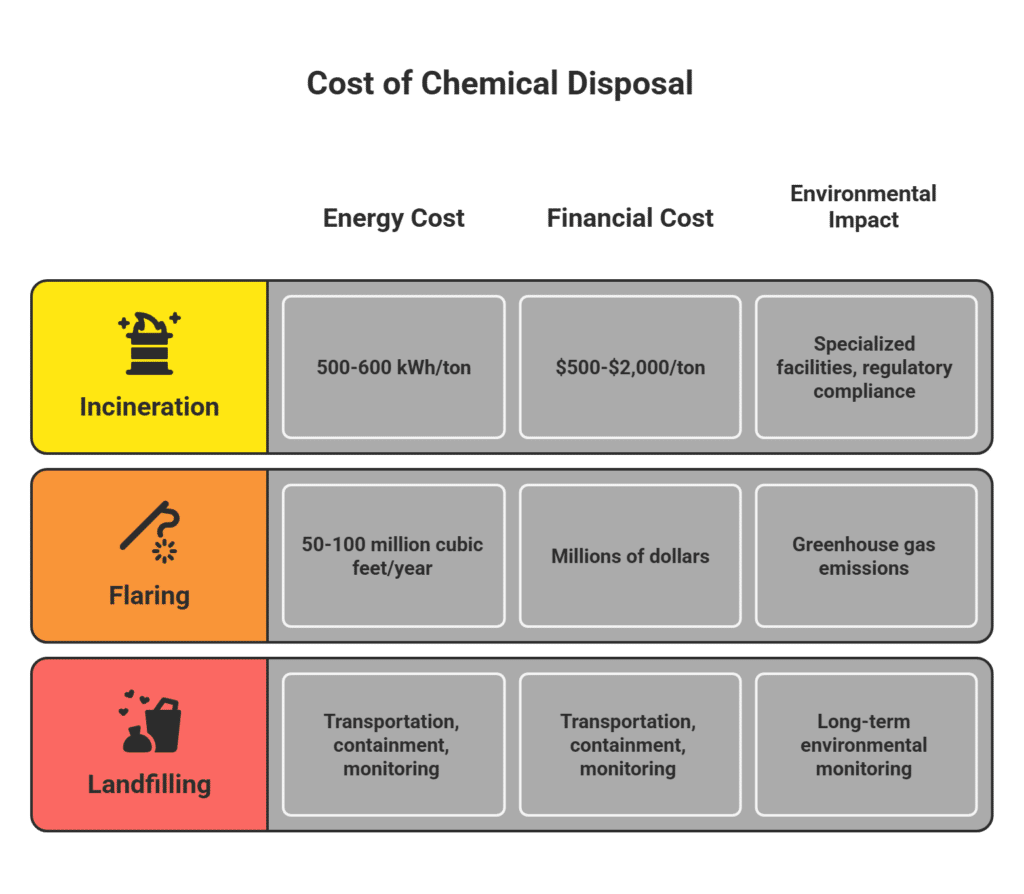
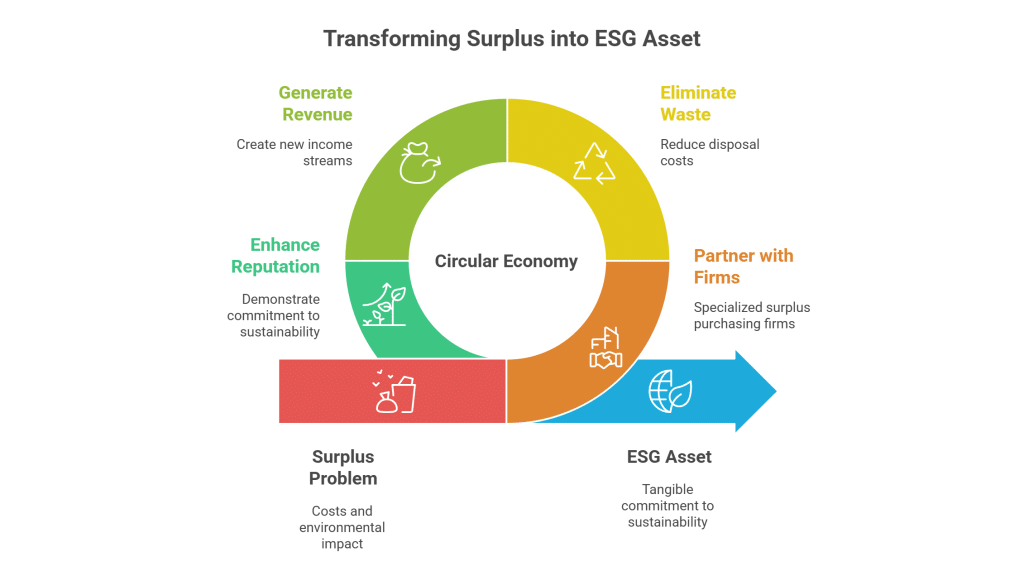
Surplus redistribution directly supports the circular economy by ensuring that manufactured chemicals are fully utilized rather than disposed of. This reduces the energy consumption and emissions associated with manufacturing virgin replacement chemicals and avoids the environmental hazards of incineration or landfill disposal.
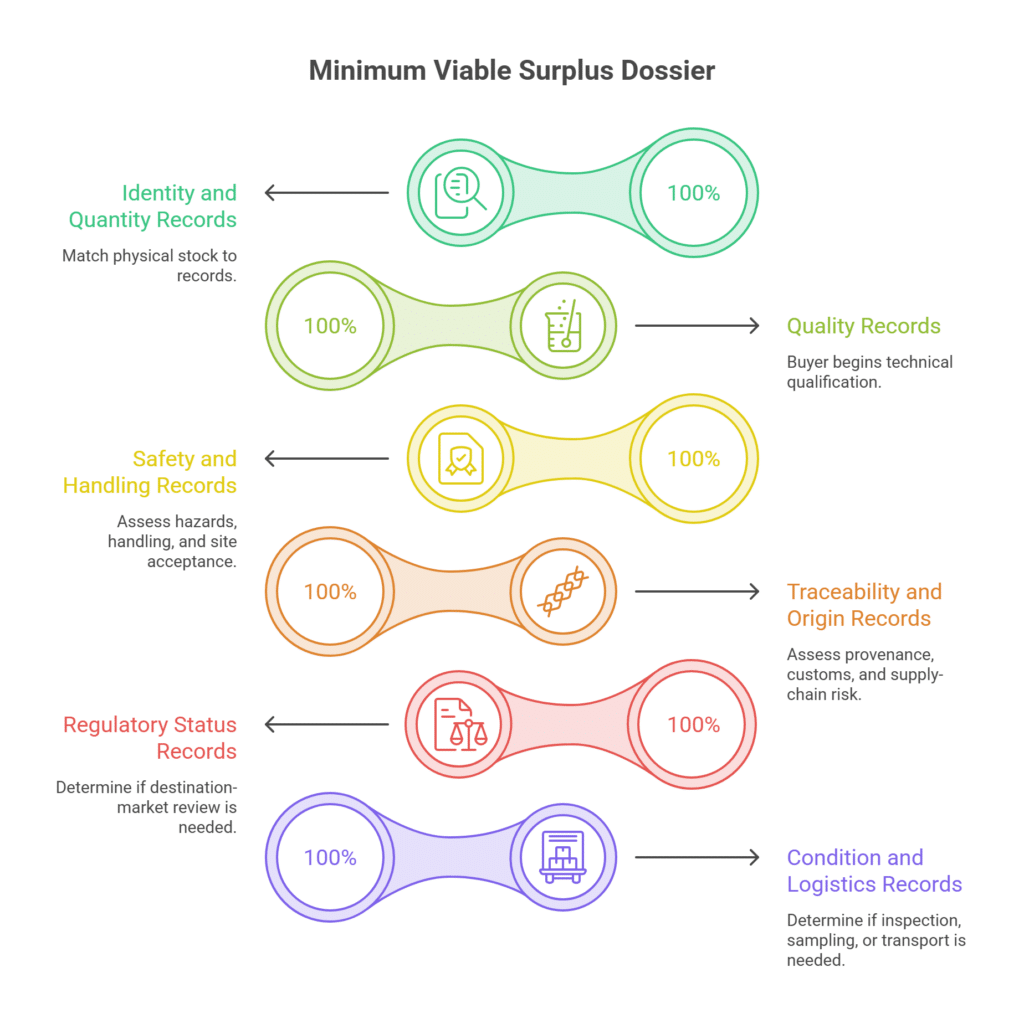
Companies should immediately catalog the excess inventory, ensuring all safety data sheets (SDS) are current. They should then partner with a reputable surplus chemical distributor, like Surplus International, who can assess the market value, handle the logistics safely, and find an appropriate buyer, thereby removing the liability from the original facility.
References
[1] Centrum-AI. (2026). Garden Grove Almost Blew Up. The Aerospace Supply Chain Should Take Note. Retrieved from https://www.centrum-ai.com/newsroom/supply-chain-alerts/garden-grove-almost-blew-up-the-aerospace-supply-chain-should-take-note [2] Orange County Register. (2026). More than 40 lawsuits filed against GKN Aerospace after Garden Grove chemical emergency. Retrieved from https://www.ocregister.com/2026/05/28/more-than-40-lawsuits-filed-against-gkn-aerospace-after-garden-grove-chemical-emergency/ [3] Sweet James. (2026). Garden Grove Chemical Leak Attorney | GKN Aerospace. Retrieved from https://sweetjames.com/garden-grove-chemical-leak-attorney/ [4] NBC Los Angeles. (2026). GKN Aerospace settled air quality safety violation in 2021. Retrieved from https://www.nbclosangeles.com/news/local/gkn-aerospace-air-quality-safety-violation-settlement/3894740/ [5] ICIS. (2026). ICIS pricing services for global commodity markets. Retrieved from https://www.icis.com/explore/services/pricing-and-commentary/