By Shai Tsarfati, Co-Founder and CEO of Surplus International
The inventory conversation for an exiting chemical line should begin before its final production campaign, not when the line has stopped.
A partial line exit is its own planning problem. The site may remain open, other units may still need shared services and some customers may continue to be served. The question is not simply, “What can leave the site?” It is, “What does each lot still need to do, and who can demonstrate that decision?”
On 26 July 2026, FOX10 published a BASF statement that the company would cease operating multiple production lines at its McIntosh, Alabama, site by the end of the first quarter of 2027. The statement also said that granulation activities, site services and utilities would continue at a reduced footprint. 1 This is an example of a partial line exit, not a report of a full-site closure, of all products ceasing or of material being available to the market.
The useful work starts while information is current, people are still in role and the final campaign can still be planned around a clear inventory position.
Start the clock before the last campaign
Once a line-exit decision is credible, work backward from the final campaign date. The aim is not a rushed clearance exercise. It is to give operations, supply chain, commercial and technical teams time to distinguish real requirements from assumptions.
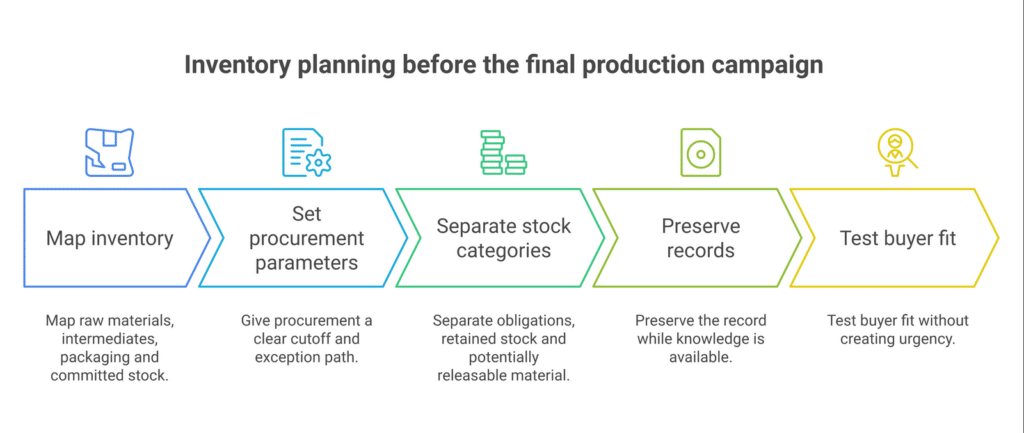
Map the line’s raw materials, intermediates, packaging and stock committed to it. Connect each lot to the production plan, customer commitments, open purchase orders and any activity the site expects to retain. A material description and quantity are rarely enough.
The final campaign needs its own material plan. Establish what input is needed to complete it, what operating buffer is sensible and what should not be bought because it would arrive after the line’s purpose has ended. Timing will vary by lead time, campaign sequence and customer requirement. It is a management judgment, not a universal rule.
This early review reveals dependencies that are easy to miss. A raw material may be used only by the exiting line, or it may support a retained formulation, granulation activity or customer obligation. A warehouse label does not settle that question.
Give procurement a clear cutoff and exception path
A procurement cutoff is more useful than a broad instruction to stop buying. It identifies the point after which a purchase for the exiting line needs a named reason and accountable approver.
That reason may be a firm customer commitment, a verified final-campaign requirement or a documented continuity reserve for an ongoing activity. It should not be an untested assumption that the line might run again. Review deliveries in transit, supplier minimum-order quantities, change or cancellation terms and material allocated to existing purchase orders at the same time.
This does not mean cancelling every open order. Some may be needed to meet commitments or may have a realistic internal use. Others may need a commercial decision before they become stock with no assigned purpose. The cutoff makes each new commitment explicit while there is still time to act.
Procurement should not interpret the exit alone. Operations can confirm the runout plan, commercial teams can identify binding customer needs and technical teams can assess whether another internal use is credible. That is more reliable than a blanket stop or a last-minute reorder.
Separate obligations, retained stock and potentially releasable material
A line exit can make different categories of inventory look similar on a ledger. They should not be treated as the same.
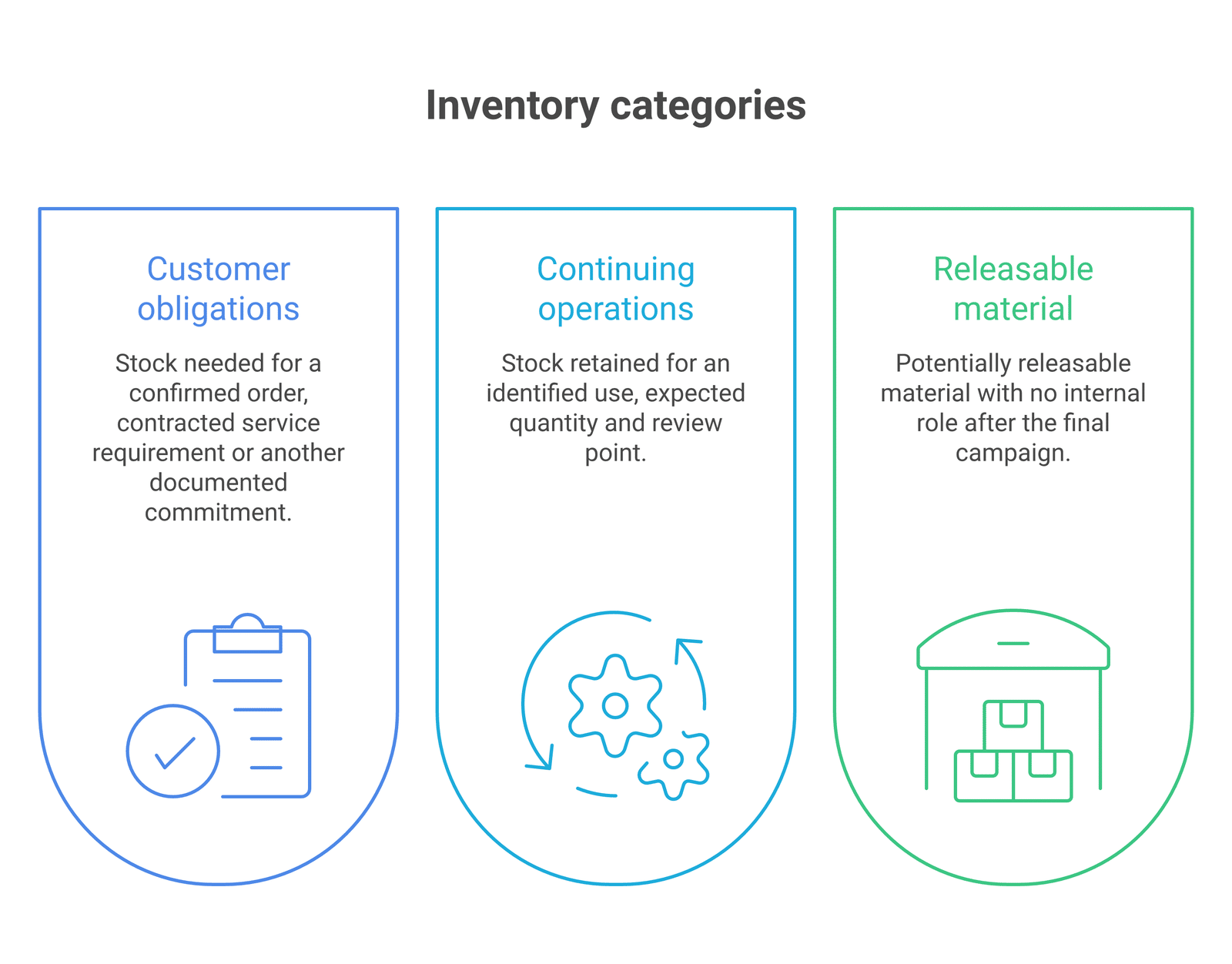
First, stock needed for customer obligations may have to remain available even if the originating line is leaving. A confirmed order, contracted service requirement or another documented commitment should be distinguished from a sales forecast or informal expectation.
Second, stock may be deliberately retained for continuing operations. It should be linked to an identified use, expected quantity and review point, rather than a general desire to keep options open.
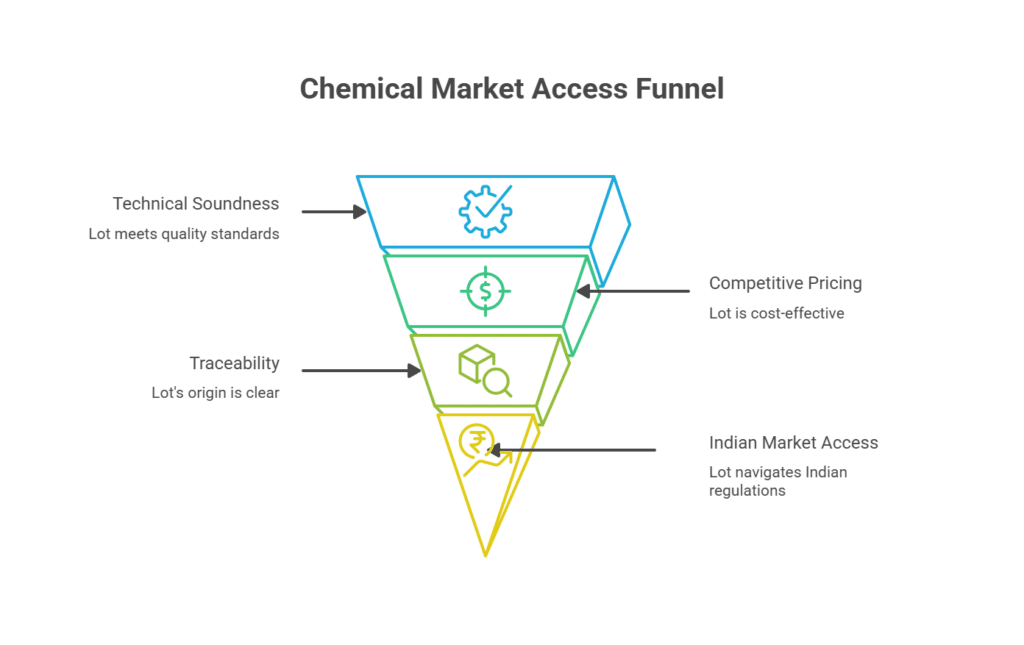
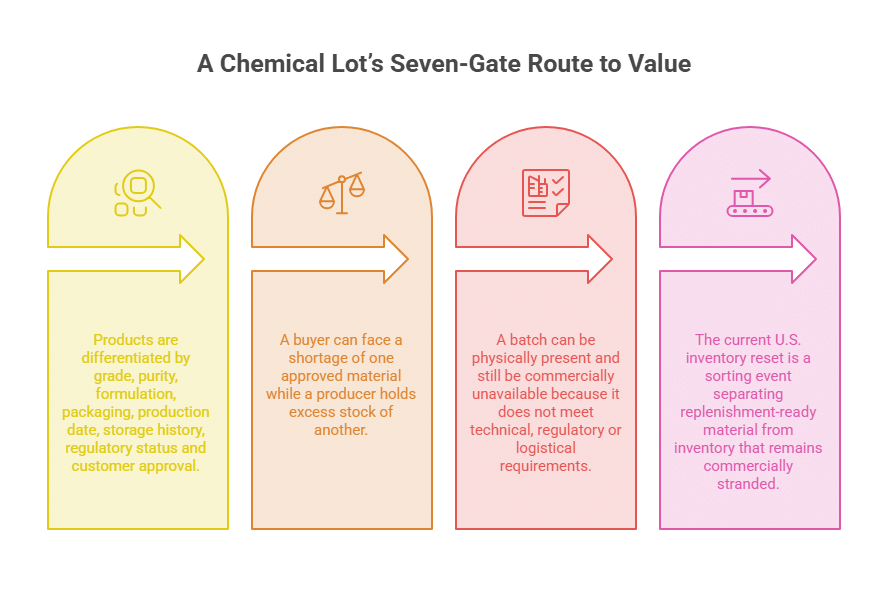
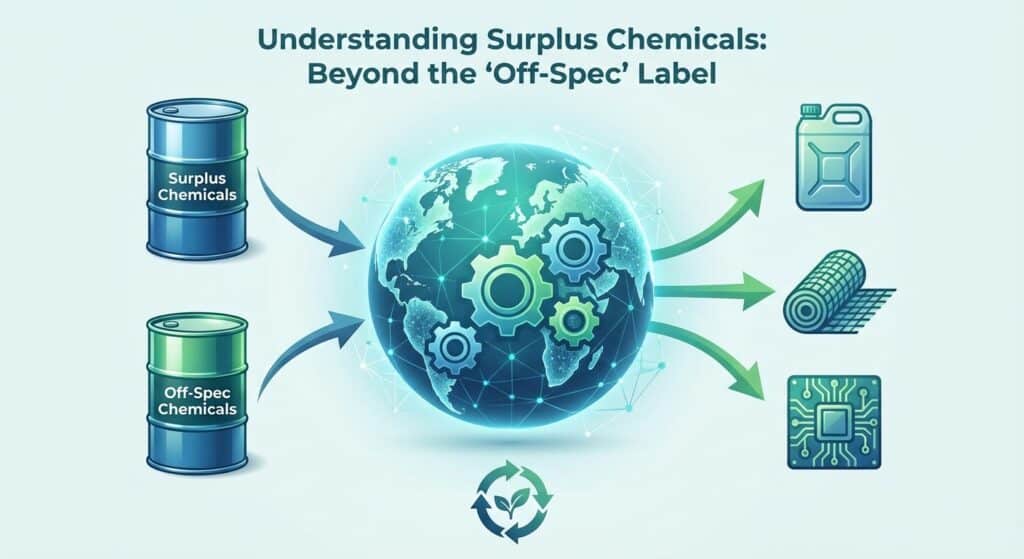
Third, some stock may no longer have an internal role after the final campaign. That does not make it automatically saleable, and it does not make it automatically waste. Any possible secondary-market route depends on the actual material, its condition, documentation, technical suitability, safety, remaining usable life and lawful fit for the intended use.
This process does not require a business to predict every demand change. It requires it to separate evidence from possibility. Material held for a named continuing use is different from material held because no one has determined its status.
Preserve the record while knowledge is available
Personnel changes and reduced staffing can make a line exit difficult to reconstruct. Create an inventory register before teams disperse.
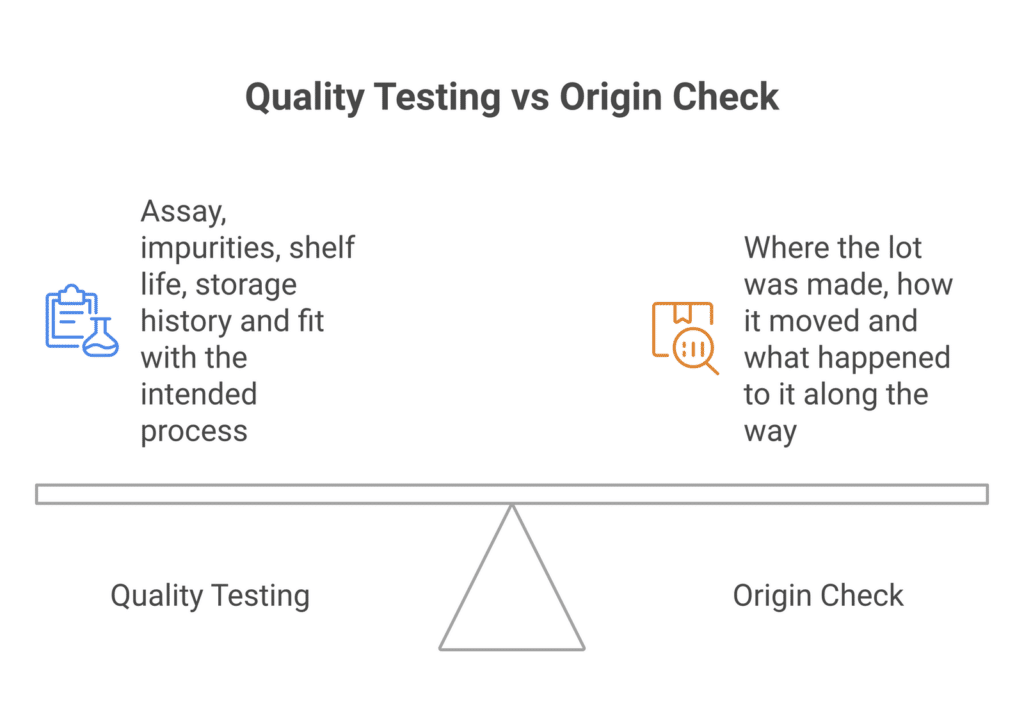
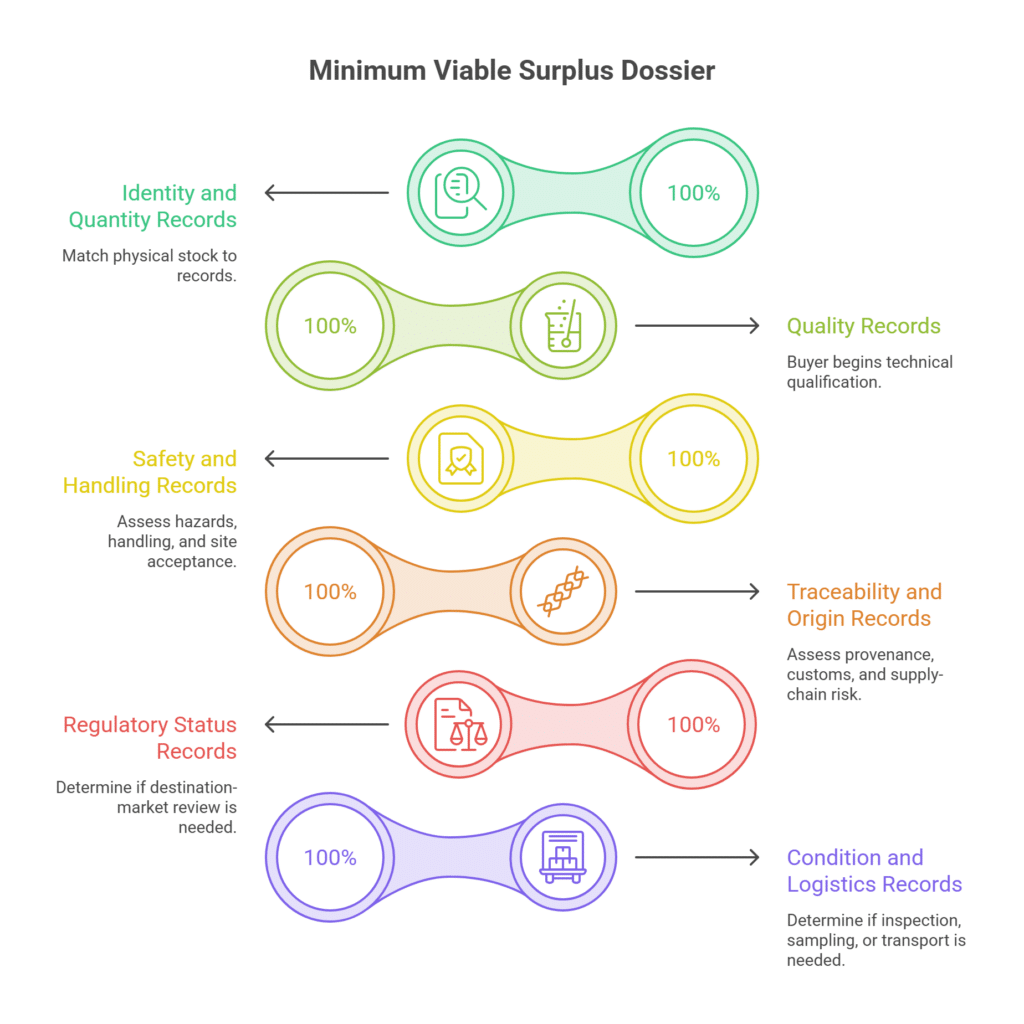
For each lot, the record can identify the material name and grade, batch reference, quantity, location, packaging condition, relevant date information, associated purchase or customer commitment, and decision category. Depending on the material and local requirements, quality, safety and transport information may also be relevant. The purpose is to preserve the factual basis for a decision, not to declare a regulatory outcome.
The register also needs a responsible owner and next review date. Operations may own the runout plan, commercial colleagues the customer obligation, procurement the purchase commitment and technical teams the material information. One designated decision owner should bring those inputs together for each lot. Without that role, “someone is looking at it” can become the only status available when the knowledge has left the room.
Test buyer fit without creating urgency
A secondary-market conversation can be appropriate for material assessed as genuinely non-core. It should not be framed as a buyer’s last chance to obtain a bargain.
A responsible buyer should test actual consumption, intended application, technical approval and the continuity plan once the lot is consumed. The buyer’s need should be real, not created by an attractive price or the seller’s timetable. The seller should provide accurate, documented material information for that evaluation.
Where a qualified, lawful use exists, Surplus International can discuss matching documented excess chemical material with a buyer that has a genuine production requirement. That discussion is not a substitute for technical evaluation, safety assessment or lawful market access.
The objective before the final campaign is not to force every unused lot into a sale. It is to make a clear decision while the site still has the people, records and time to support it. If your business is planning a partial line exit and has material that may no longer fit its future requirements, contact Surplus International to discuss whether a qualified secondary-market opportunity may exist.