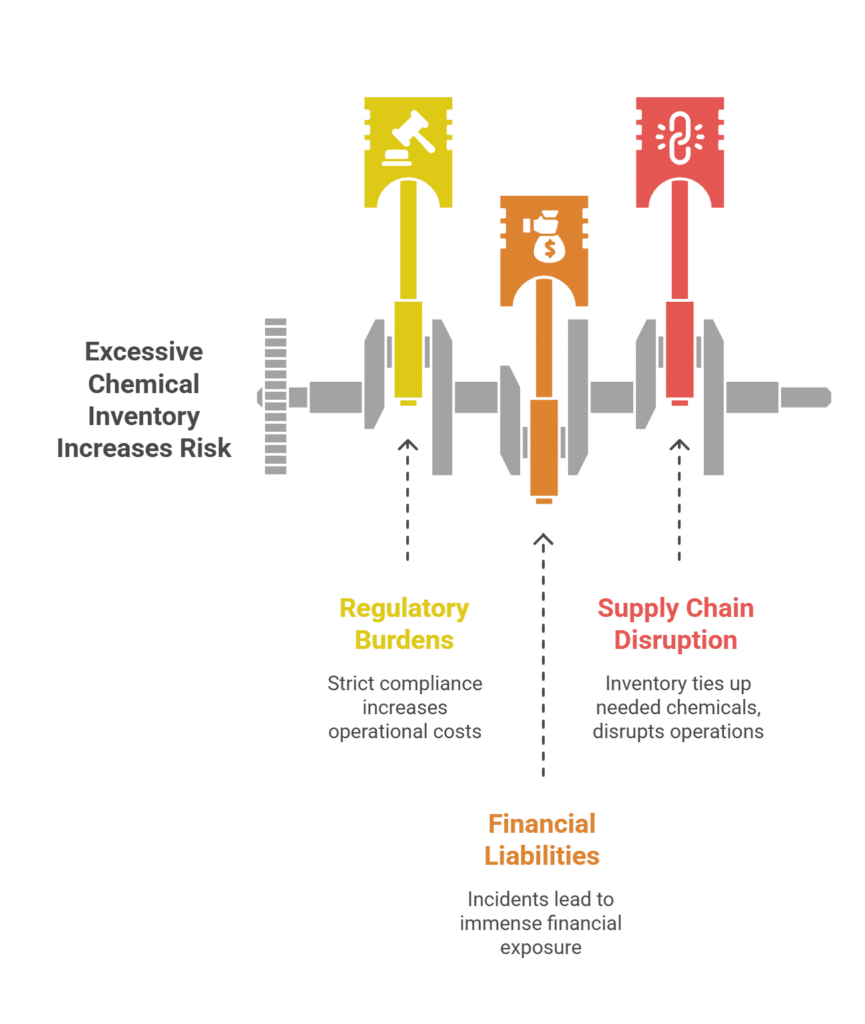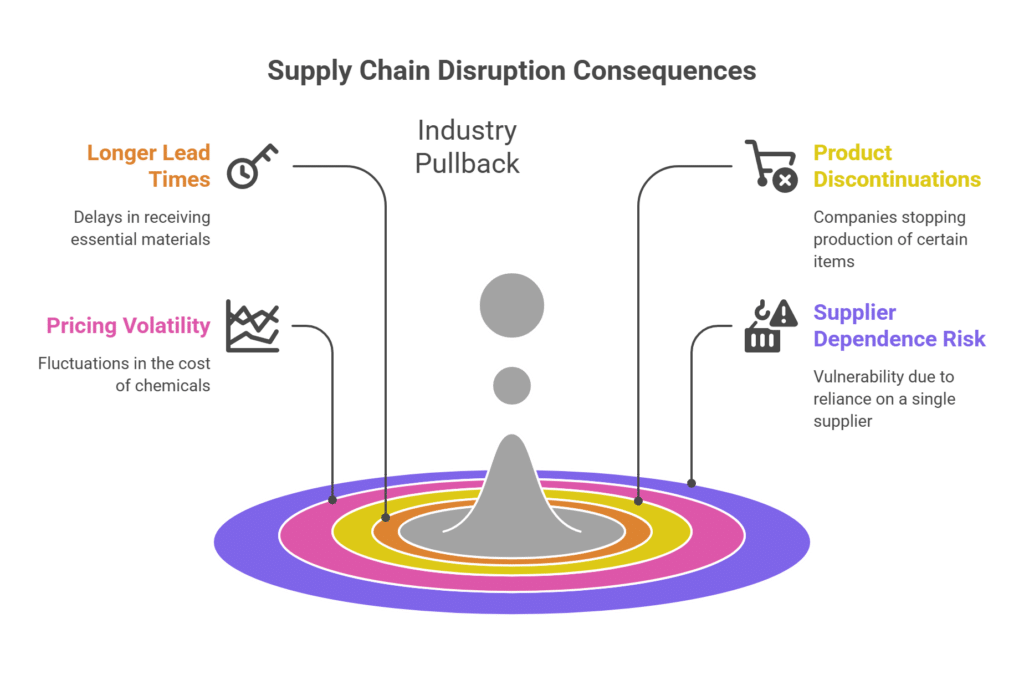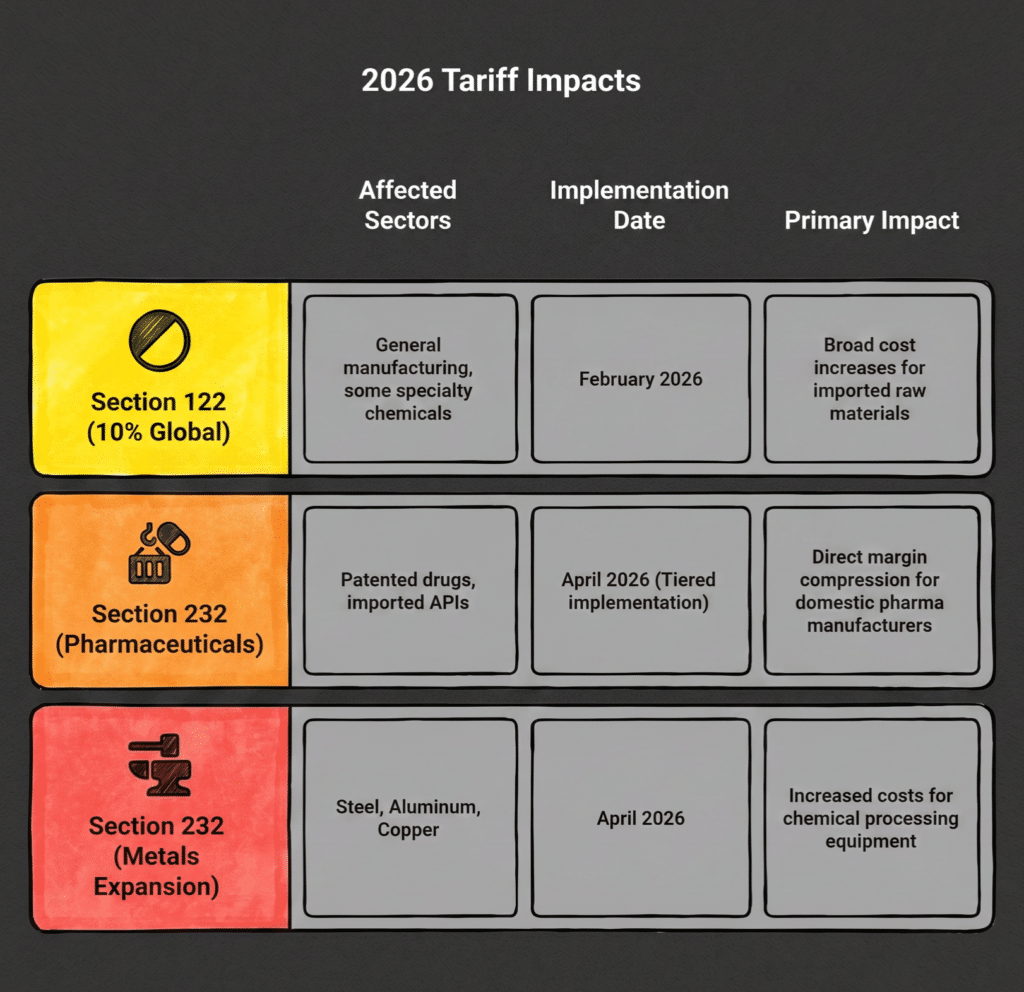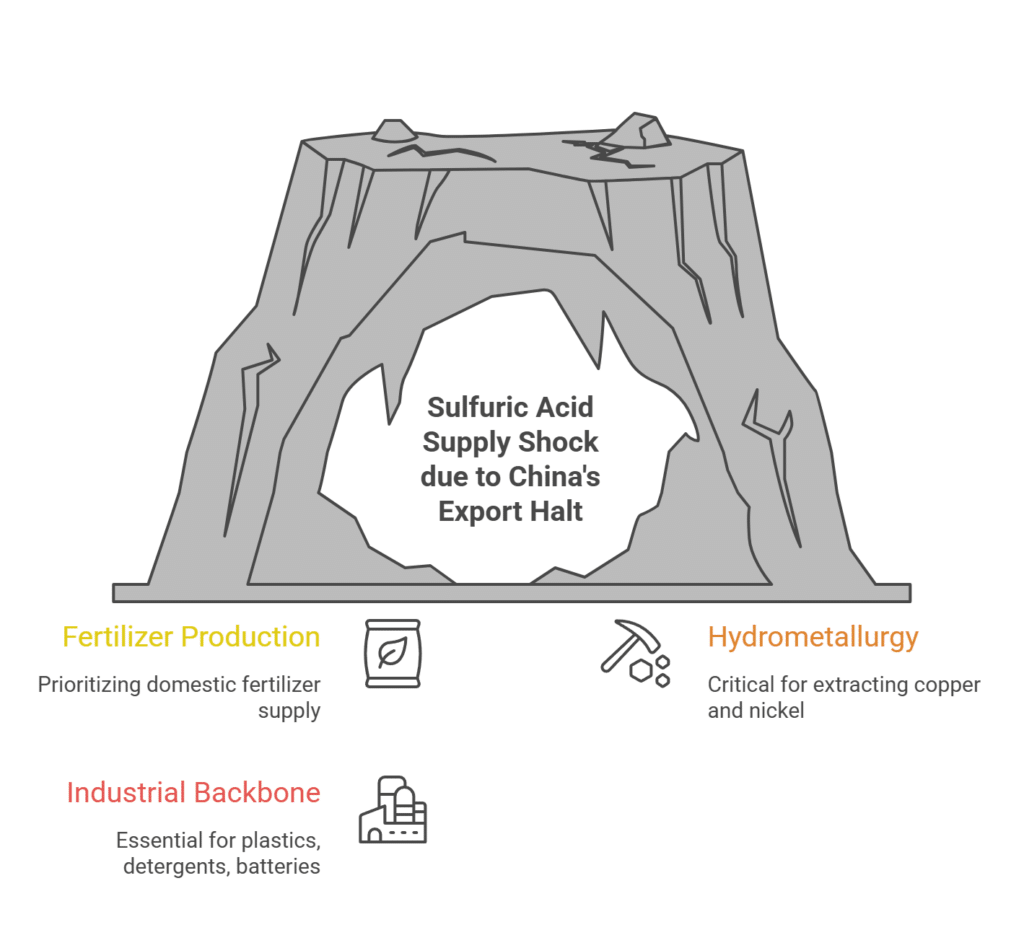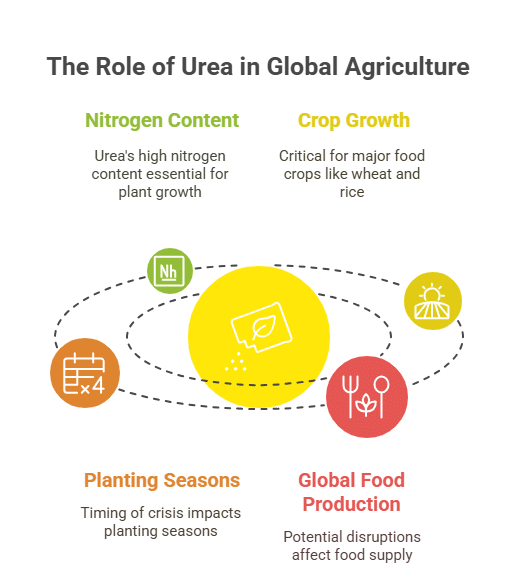

Following the 2026 disruption, China curbed sulfuric-acid exports in May. The International Energy Agency reported that the resulting increase in acid prices raised production costs across several critical-mineral value chains; in some cases, acid overtook energy as the largest cost component.1 A separate World Trade Organization analysis dated 10 July found that urea and phosphate-fertilizer trade had been severely disrupted, with vulnerable importing economies facing shortage and price risks.2
A supply shock changes the value of dormant inventory
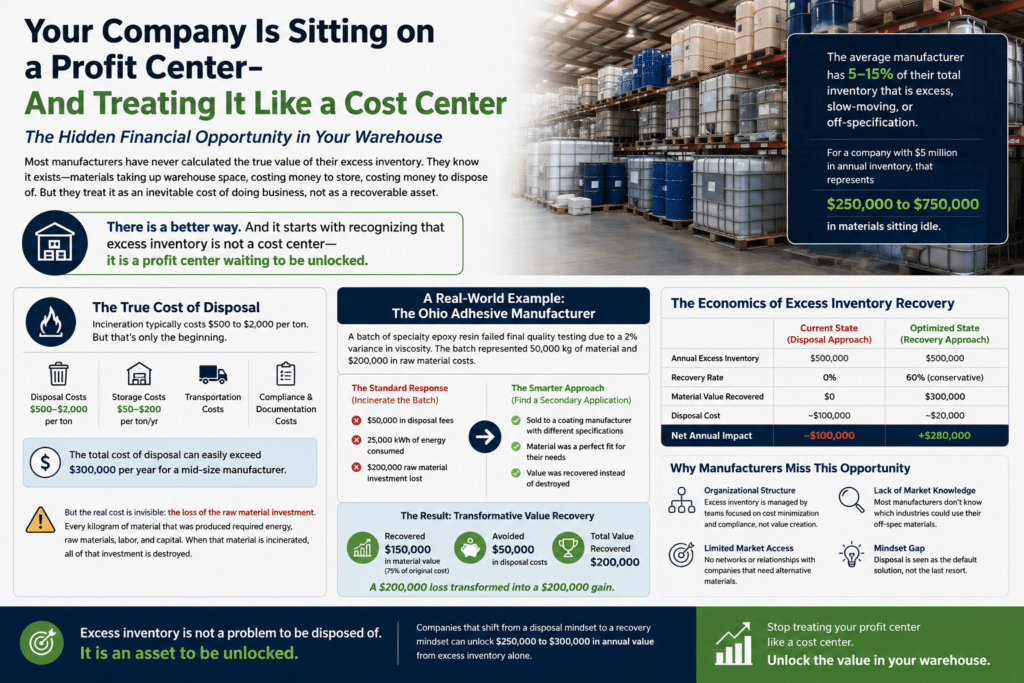
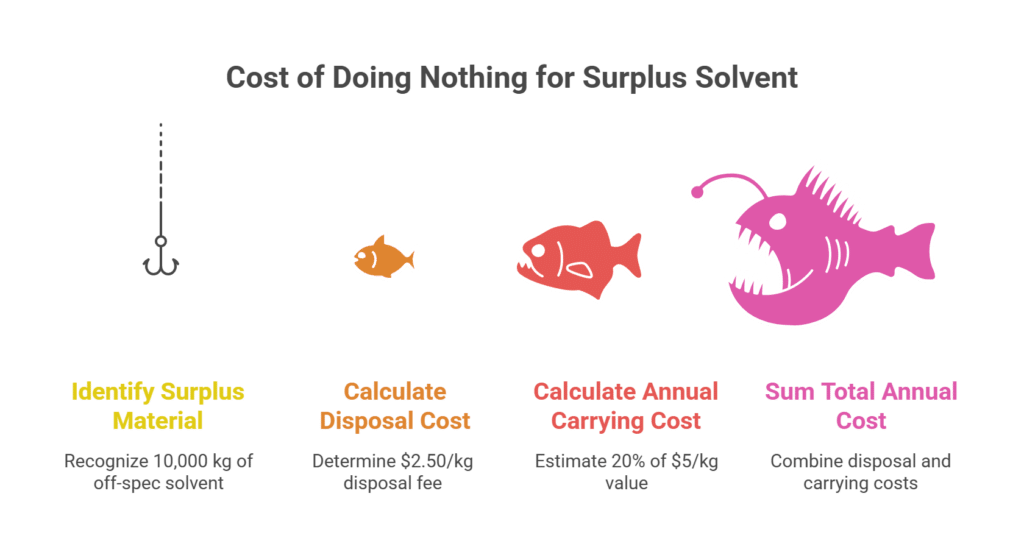
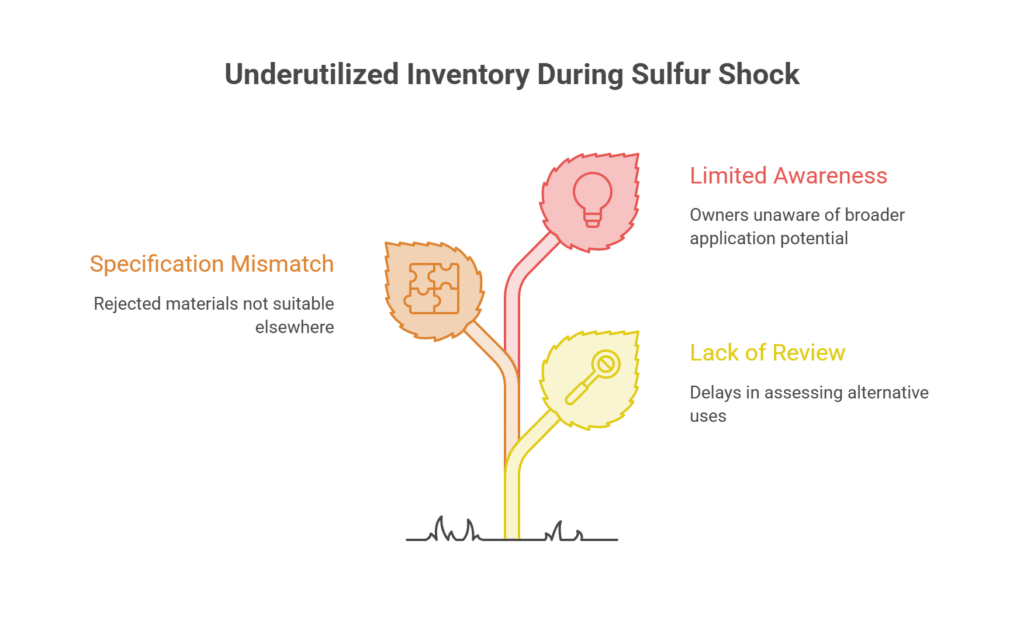
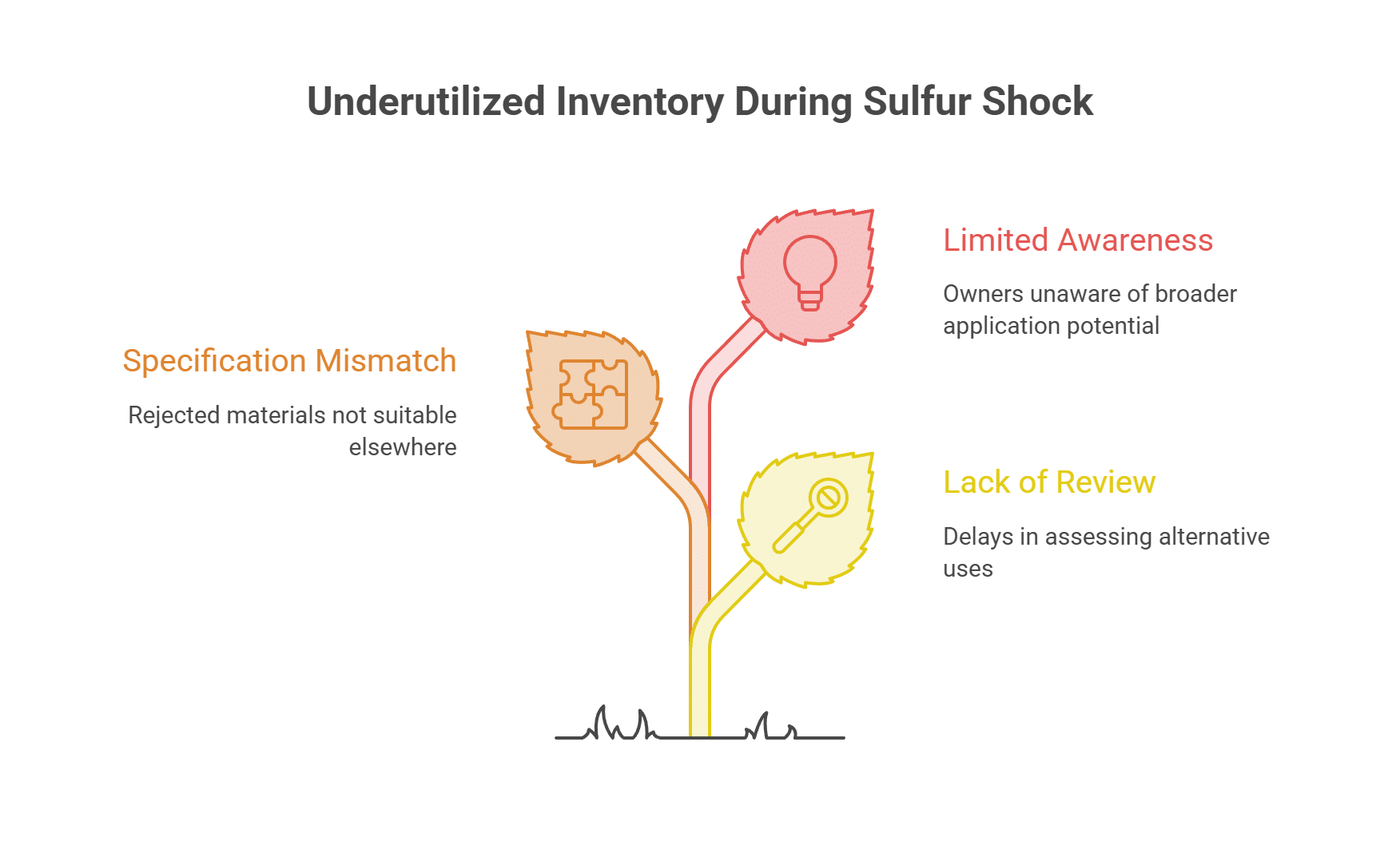
Under normal conditions, an aging or off-specification batch may appear to be little more than a storage cost. During a feedstock shortage, that same material may become valuable to another company, region, or application.
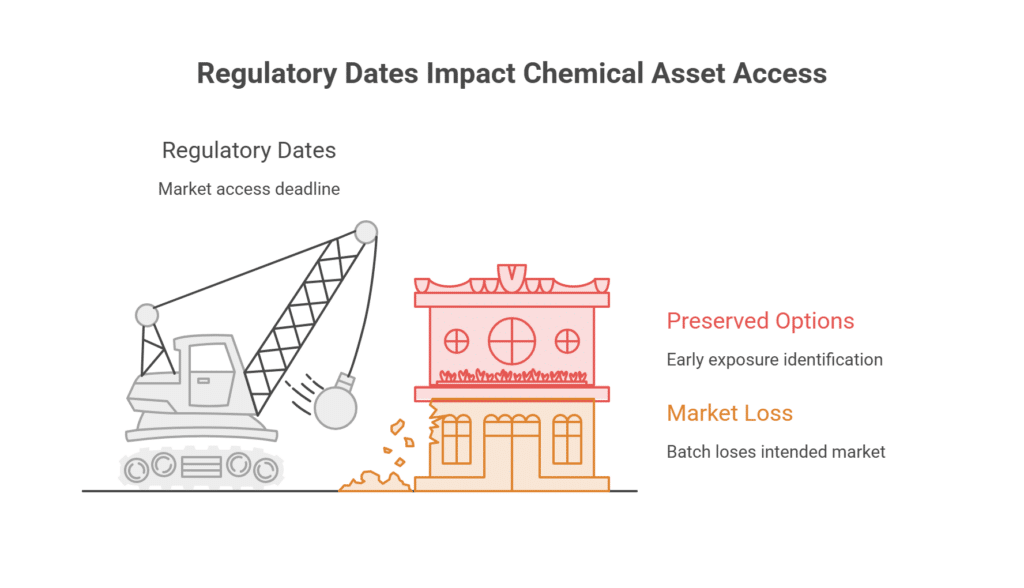
A batch that no longer meets its original pharmaceutical specification should never be assumed suitable elsewhere. But after technical, quality, and regulatory review, some materials may remain appropriate for a less sensitive industrial application. The earlier that review begins, the more options the owner is likely to preserve.
That does not mean any surplus batch can substitute for primary material. A chemical rejected from one use is not automatically suitable for another. It does mean that a well-characterized batch may have more potential applications than its original owner realizes.
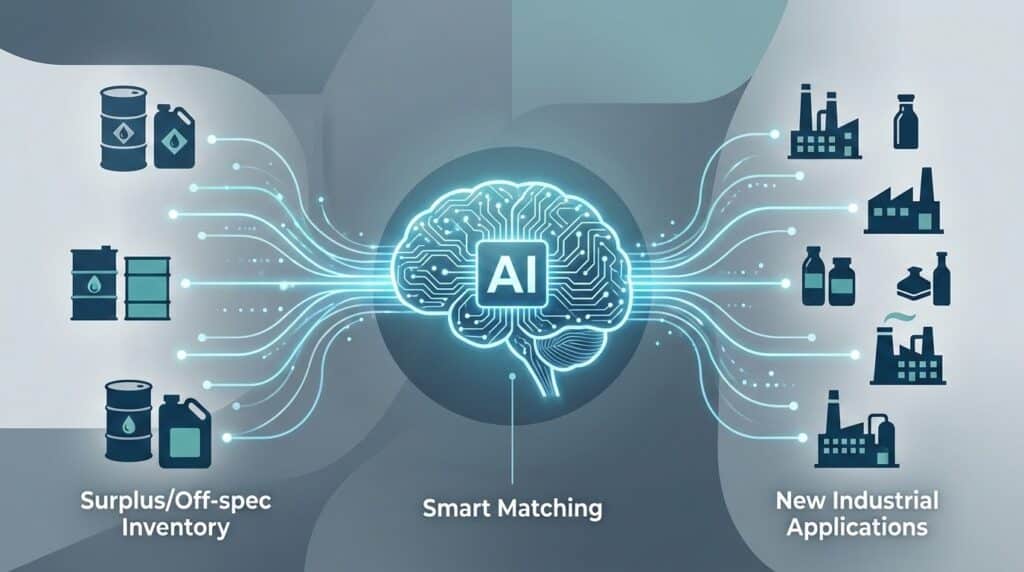
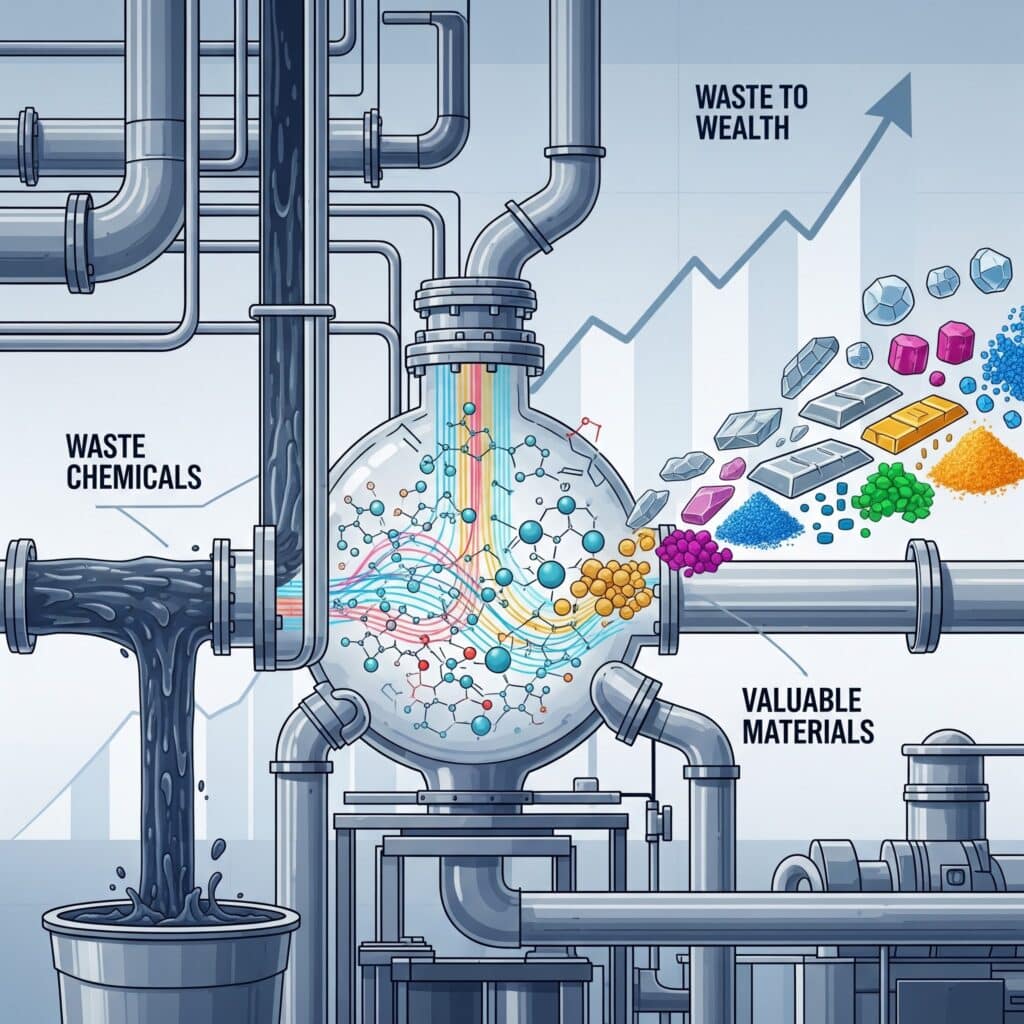
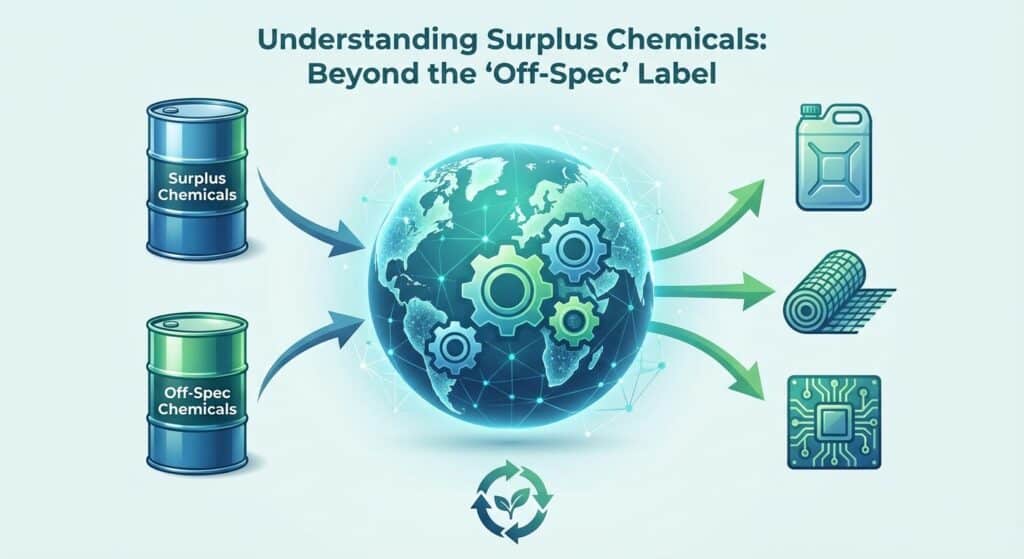
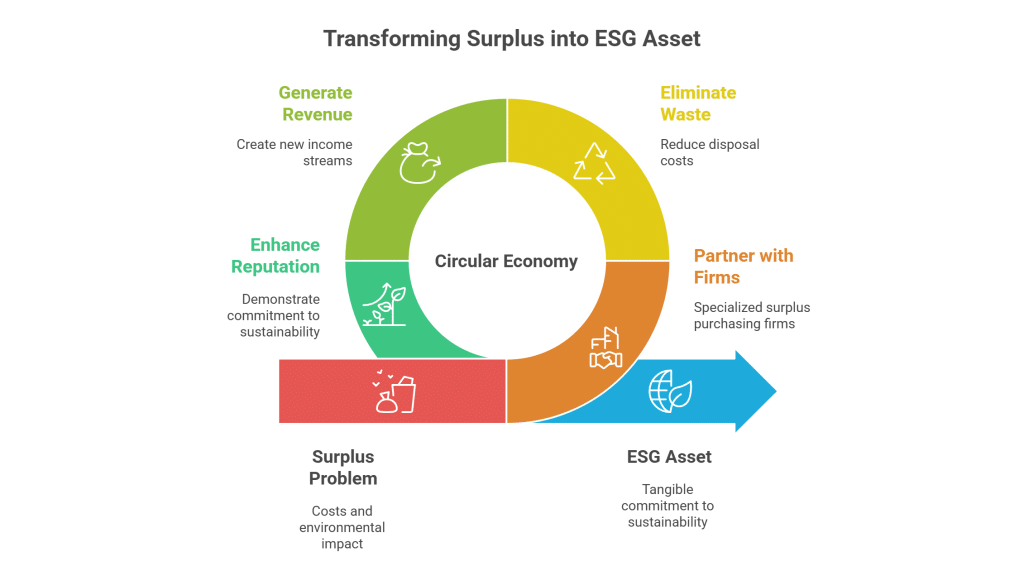
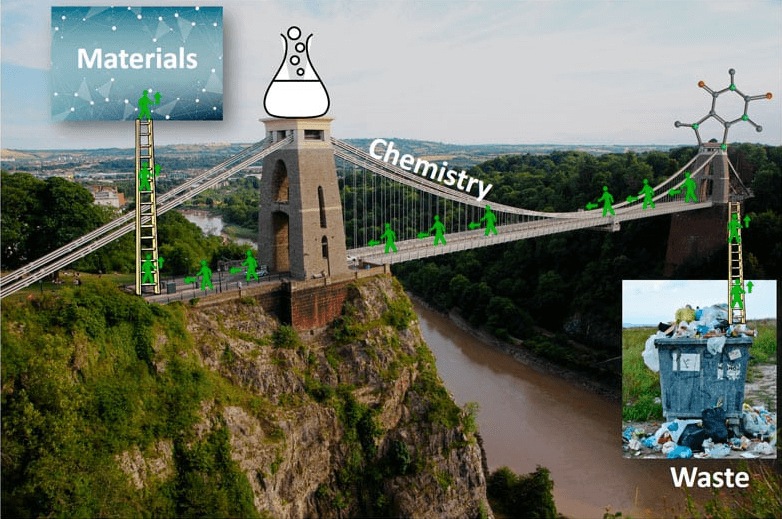
This is the economic and environmental role of the secondary chemical market. A producer can recover value and reduce disposal, while a qualified buyer gains access to material that may shorten lead times or reduce exposure to an interrupted supply route. Sur+ specializes in matching excess chemical inventory with technically suitable demand, including slow-moving, out-of-date, off-specification, and by-product materials.
The five-point qualification framework
Secondary sourcing should be treated as a technical and regulatory evaluation, not a discount-purchasing exercise.
| Qualification area | Questions for the buyer and seller | Why it matters |
|---|---|---|
| Assay and specification | What is the current composition, and which application limits must be met? Is a new test required? | A batch can be unsuitable for its original use yet acceptable for a less sensitive application. |
| Impurity and degradation profile | Are there trace contaminants, reaction products, moisture, color changes, or other characteristics that could affect performance? | A headline assay alone may not reveal application-specific risks. |
| Storage and packaging history | Were temperature, humidity, light exposure, container compatibility, and shelf-life controls maintained? | Condition history helps determine whether further sampling or testing is needed. |
| Documentation and traceability | Are the SDS, certificate of analysis, batch number, origin, manufacturing date, and chain of custody available and consistent? | Reliable records influence technical approval, regulatory review, transport, insurance, and buyer confidence. |
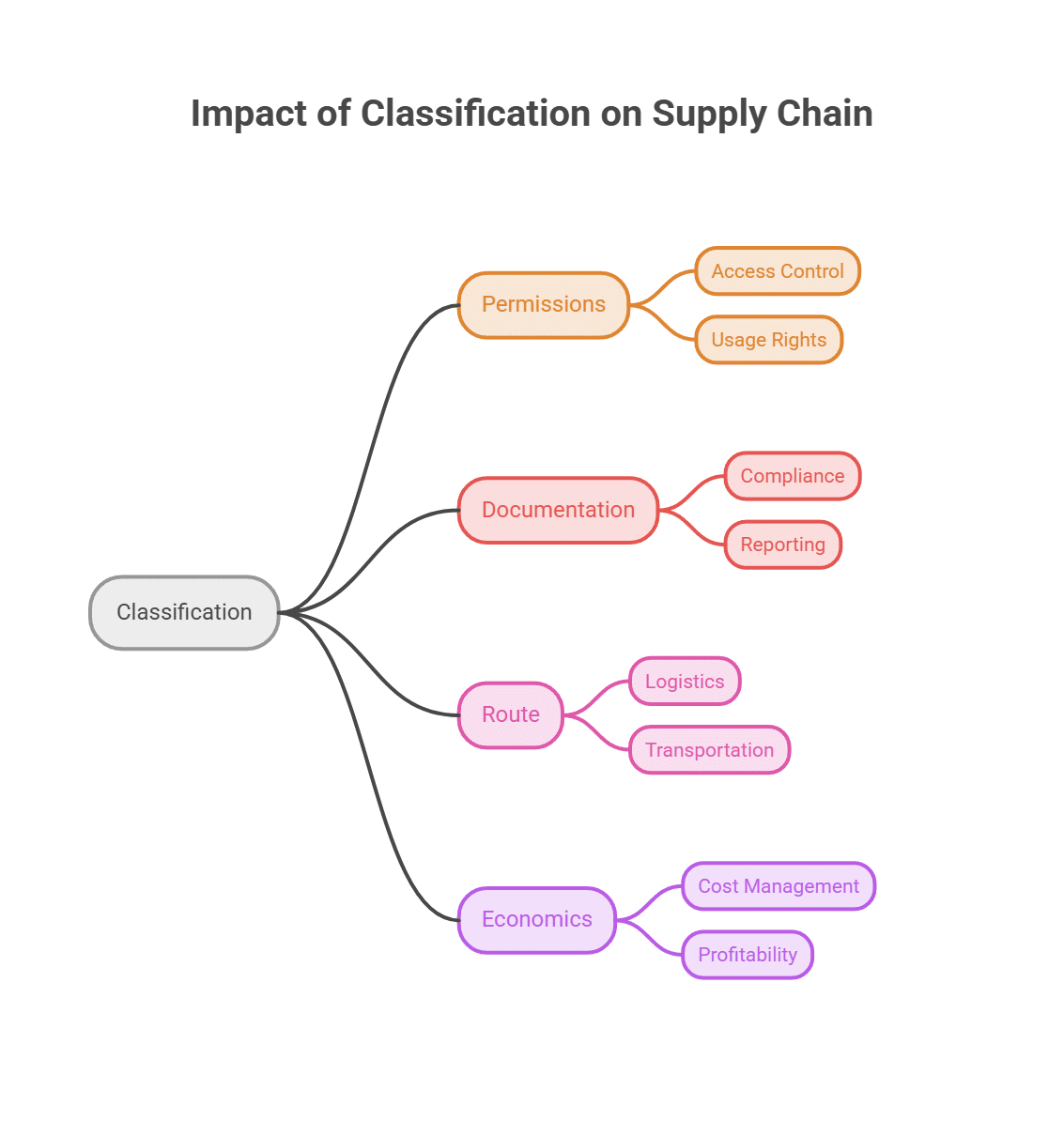
| Legal status and intended use | Is the material legally transferable as a product or by-product, or is it regulated as waste? Which jurisdictions and end uses are involved? | Classification can change the applicable permissions, documentation, route, and economics. Qualified legal and regulatory advice may be necessary. |
Resilience requires visibility before the shortage
The sulfur disruption demonstrates why resilience cannot begin after a primary supplier declares force majeure, reduces allocation, or extends a lead time. By then, every buyer is looking for the same alternatives.
Manufacturers should establish processes that identify dormant inventory early, preserve condition and documentation, evaluate internal reuse, and make qualified external remarketing possible before the batch deteriorates. Buyers should develop application-specific acceptance criteria for secondary material and predefine the testing and quality approvals required for an alternative source.
The goal is not to replace every primary supplier with surplus stock. The goal is to create another responsible sourcing option when a disruption makes conventional procurement insufficient.
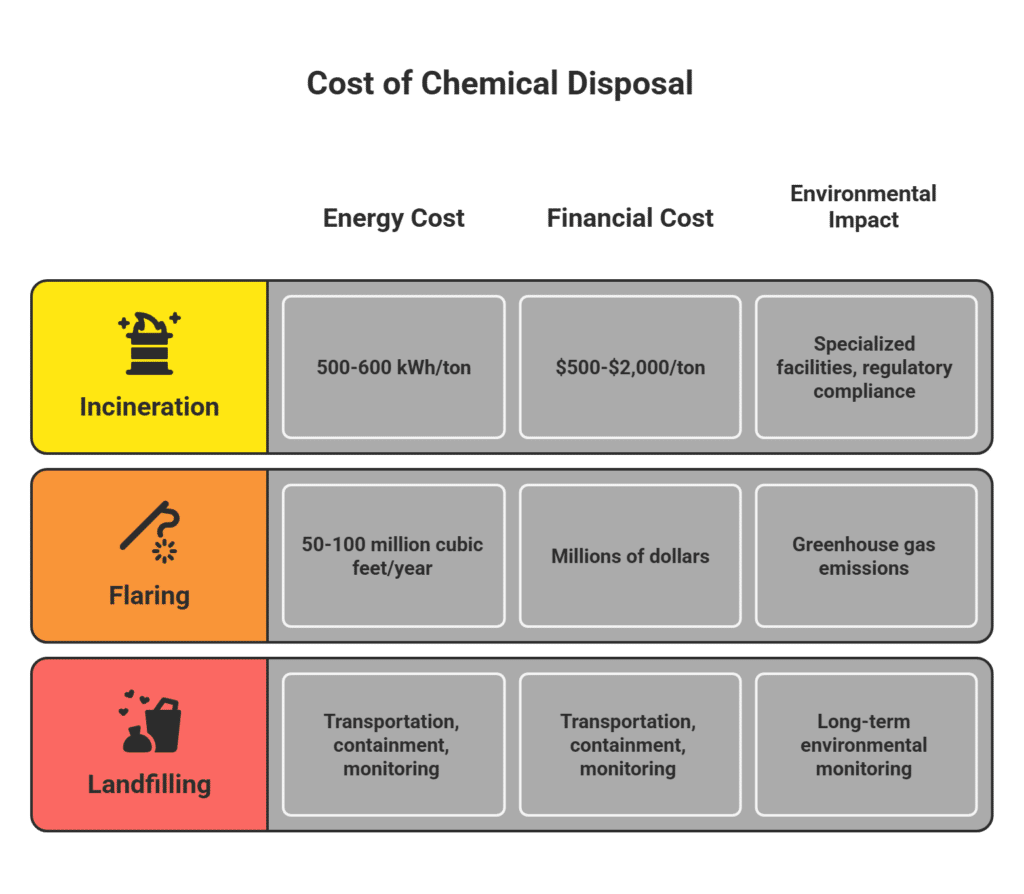
For owners, this can turn an apparent liability into recovered value. For buyers, it can create access to strategically useful supply. For the wider industry, it keeps usable chemistry in productive circulation rather than sending it prematurely to destruction or disposal.
From supply shock to supply-chain capability
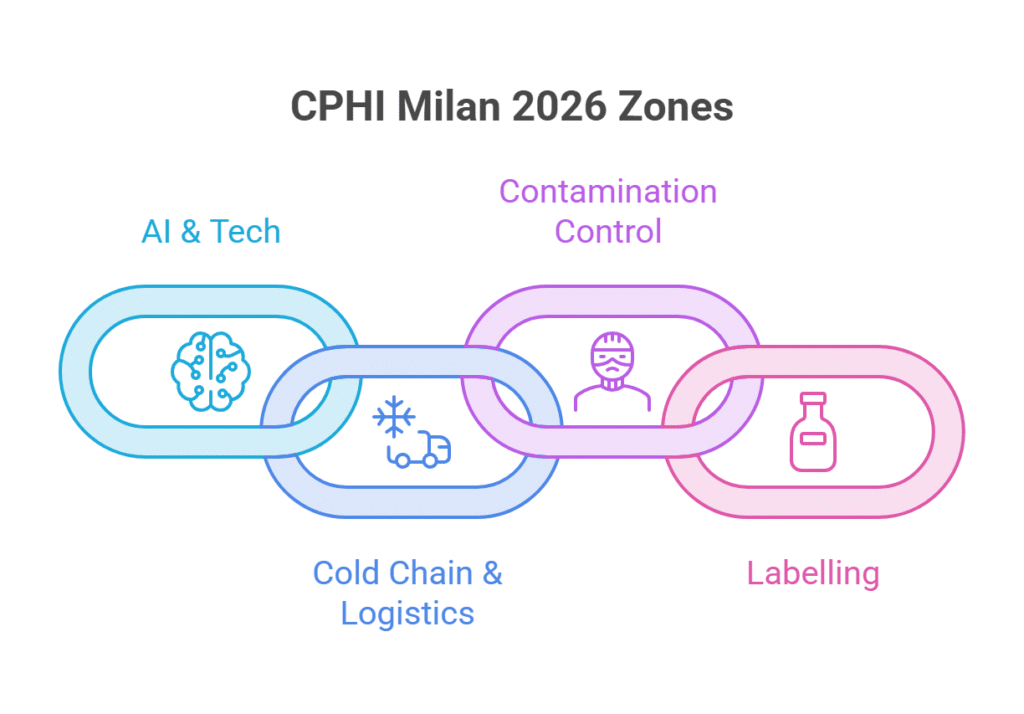
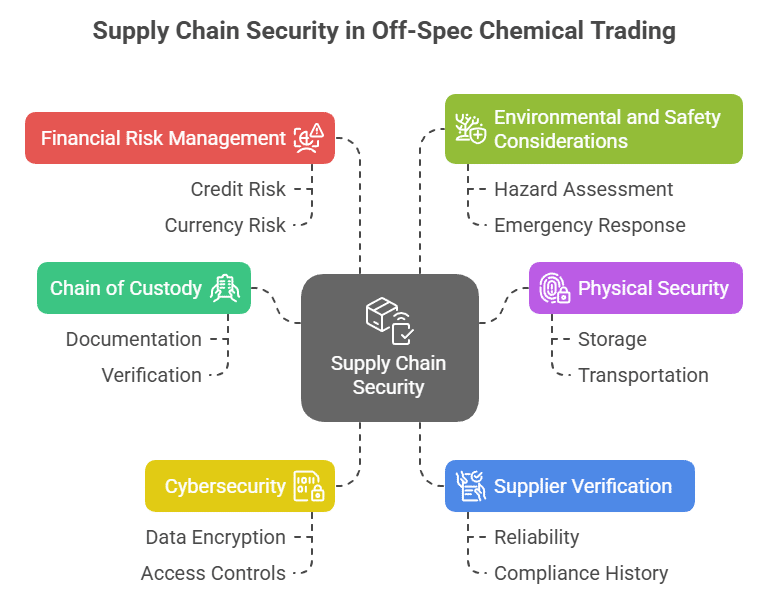
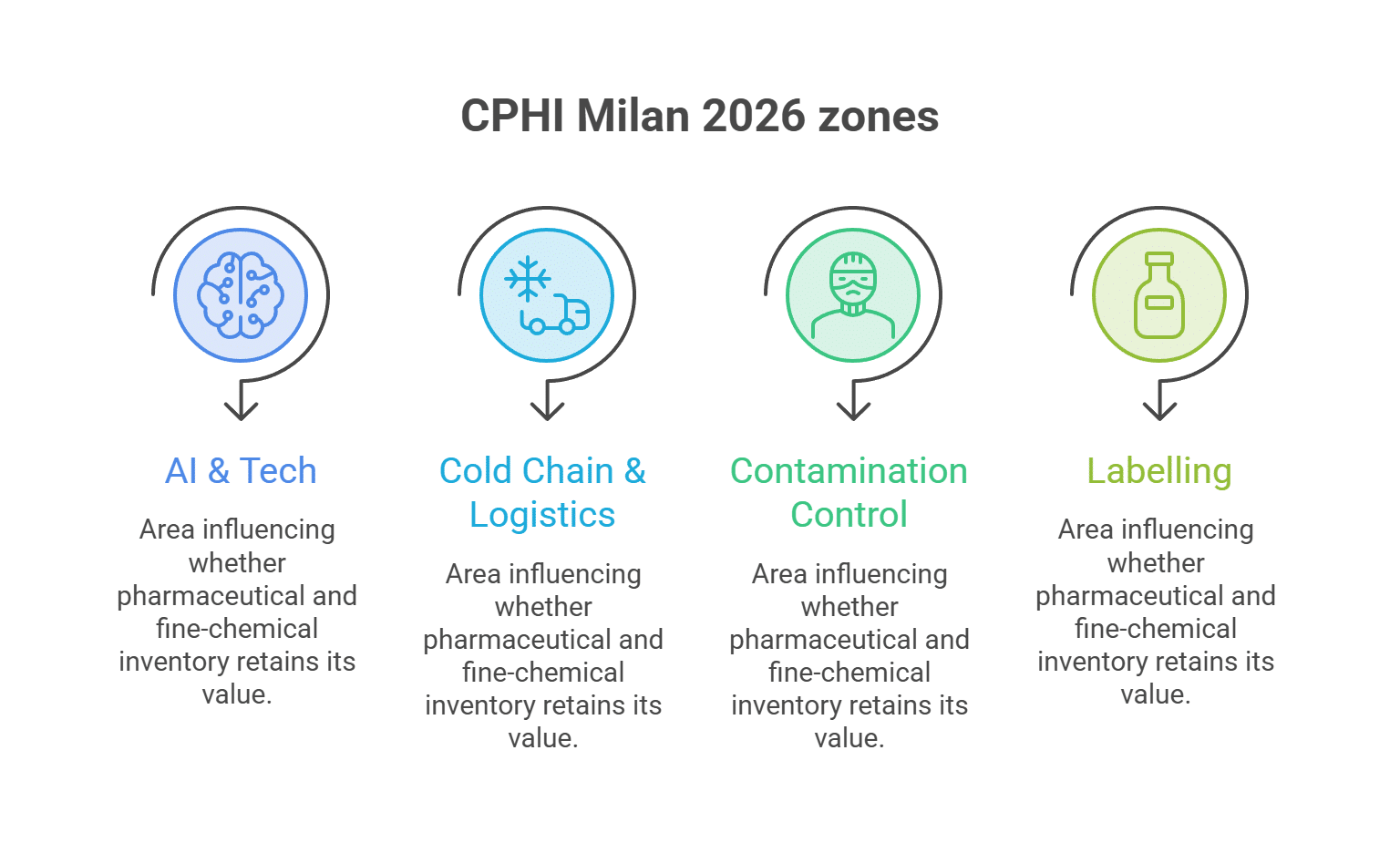
Finding a possible batch is only the beginning. The industry also needs reliable inventory data, condition monitoring, contamination controls, documentation, compliant labelling, and specialist logistics. Without these capabilities, potentially useful inventory remains invisible or cannot be transferred with confidence.
CPHI Milan 2026 has announced new zones dedicated to AI & Tech, Cold Chain & Logistics, Contamination Control, and Labelling– four areas that directly influence whether pharmaceutical and fine-chemical inventory retains its value.3
The sulfur shock shows why alternative inventory matters. The next challenge is making that inventory visible, verifiable, and transferable. That is where the new technology, logistics, contamination-control, and labelling focus at CPHI Milan becomes relevant