
The AI Matchmaker: How Digital Exchanges Are About to Transform Surplus Chemical Trading
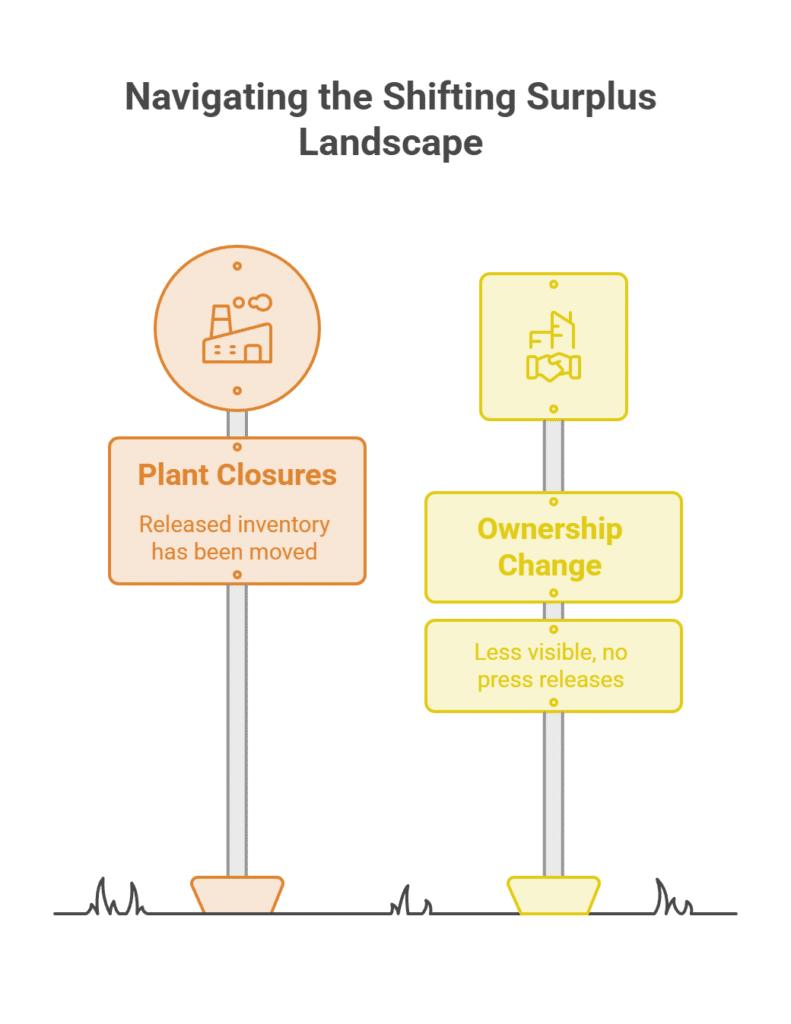
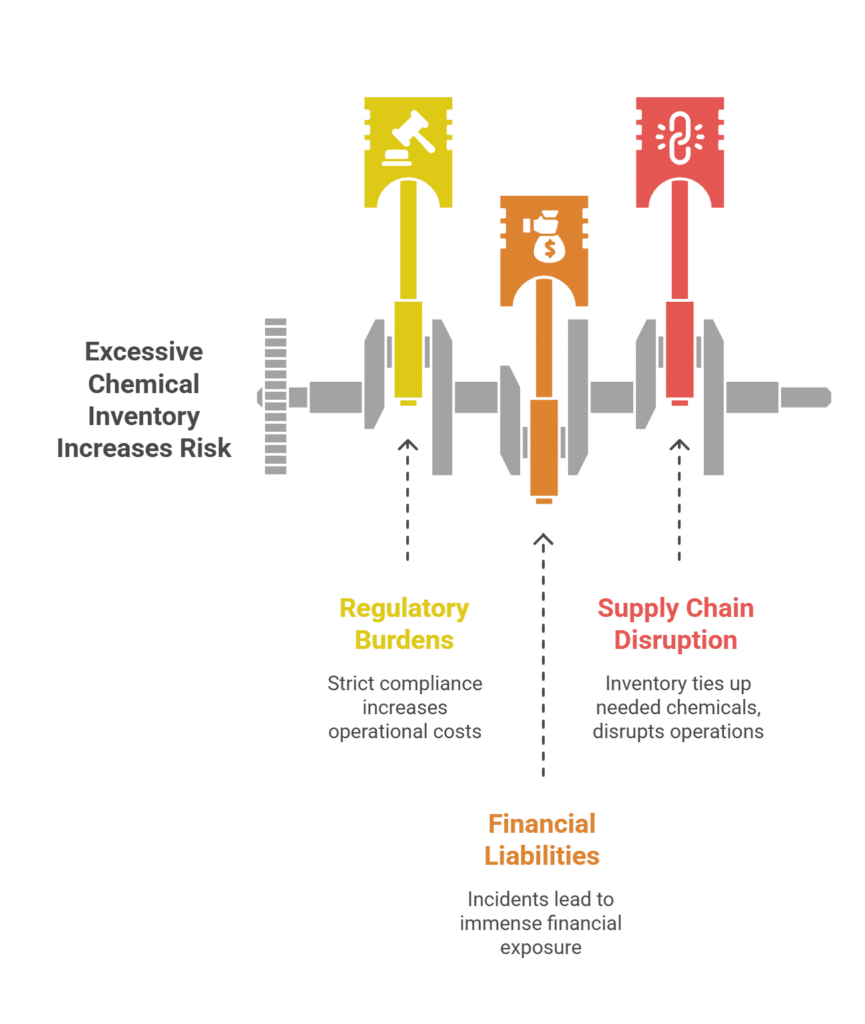
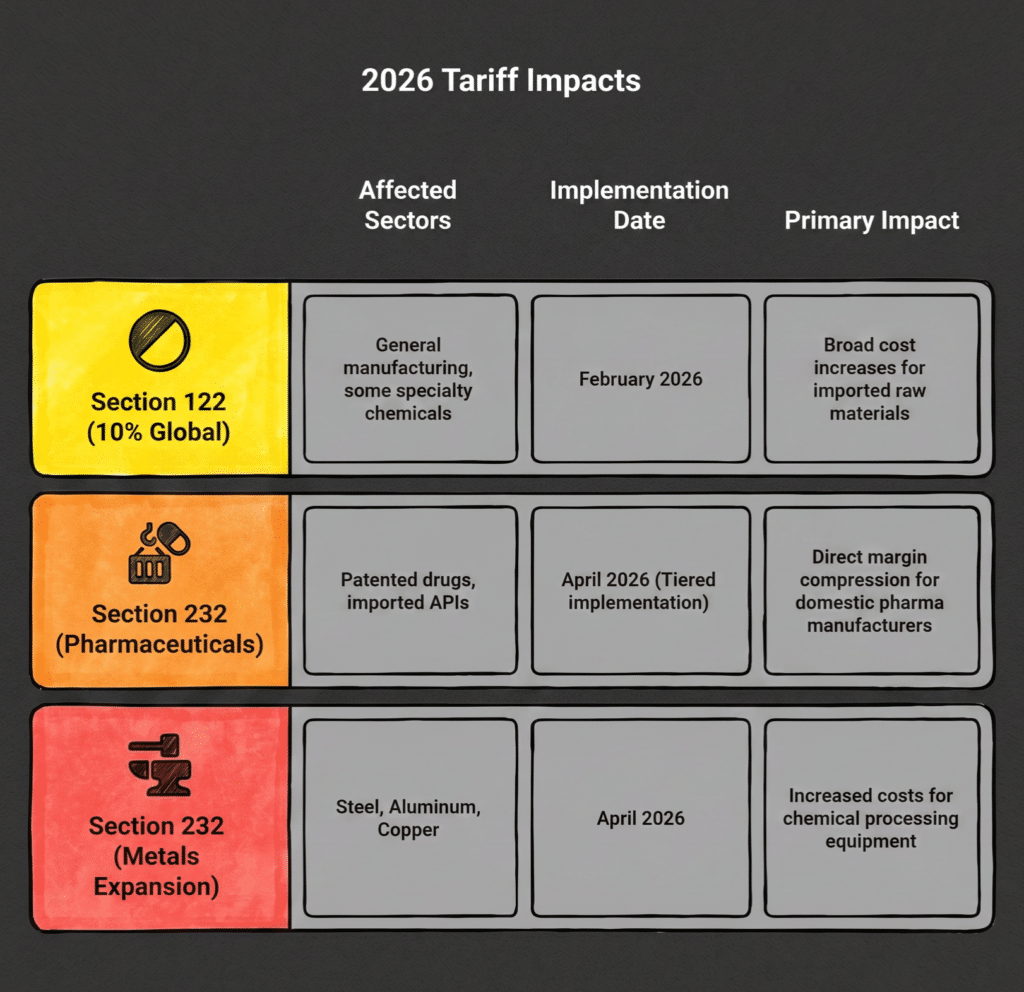
The global chemical industry is in the midst of a profound restructuring. Driven by margin pressures, shifting tariffs, and a drive toward portfolio optimization, major producers are closing plants and exiting commodity lines. This consolidation is generating unprecedented volumes of high-quality surplus and off-specification chemicals. Yet, despite the sheer volume of available material and the urgent need for cost-effective feedstocks among global buyers, the surplus chemical market has remained surprisingly analog.
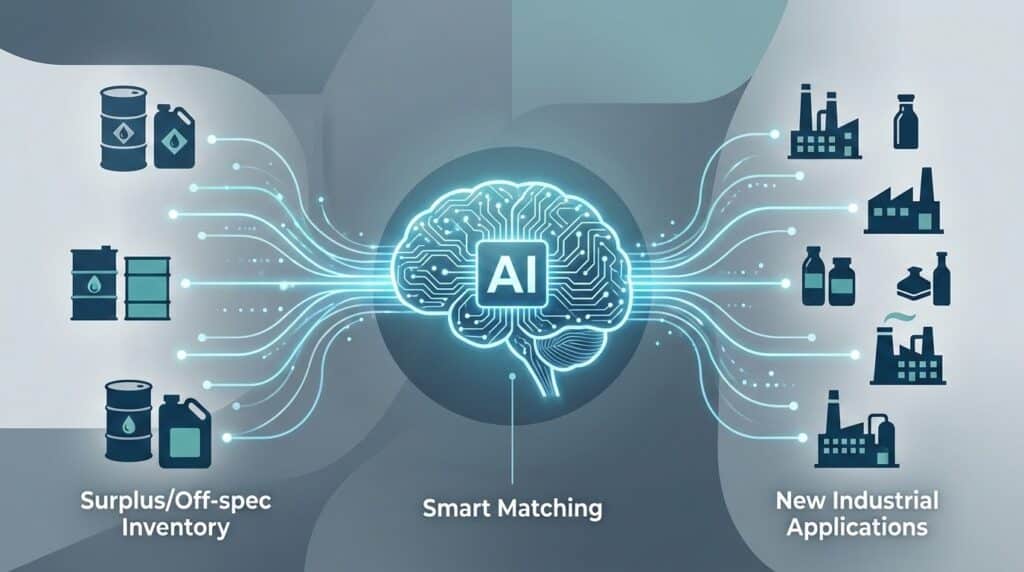
In 2026, as the broader industry accelerates its adoption of artificial intelligence to optimize supply chains and production, the surplus market is standing on the precipice of its own digital revolution. The future of chemical redistribution is not just about better logistics; it is about intelligent matchmaking.
The Core Challenge of Off-Spec Trading
To understand why AI is the missing link in the surplus chemical market, one must first understand the fundamental friction of trading off-specification materials.
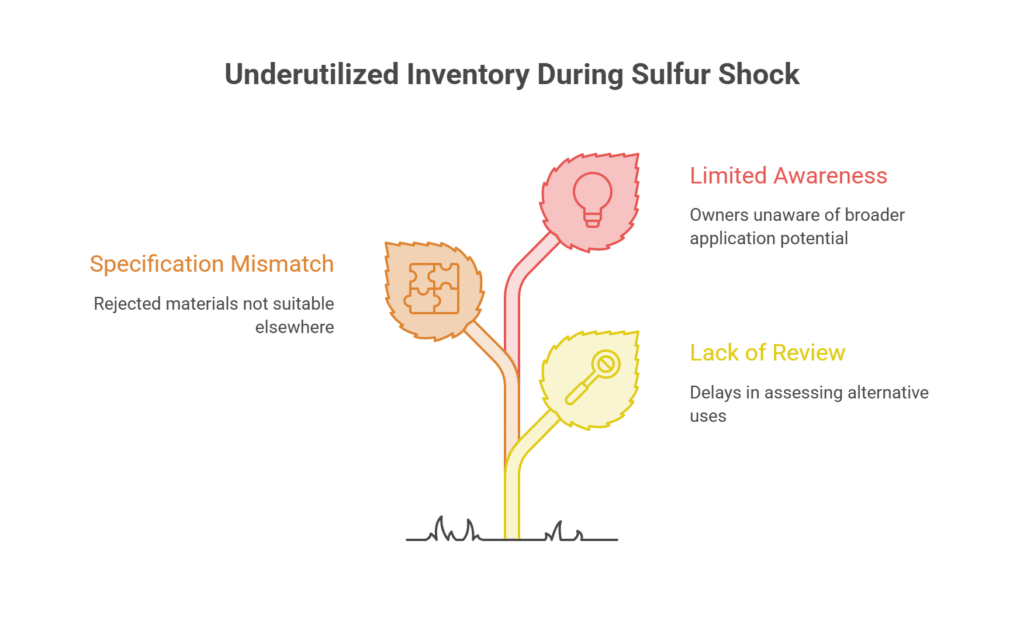
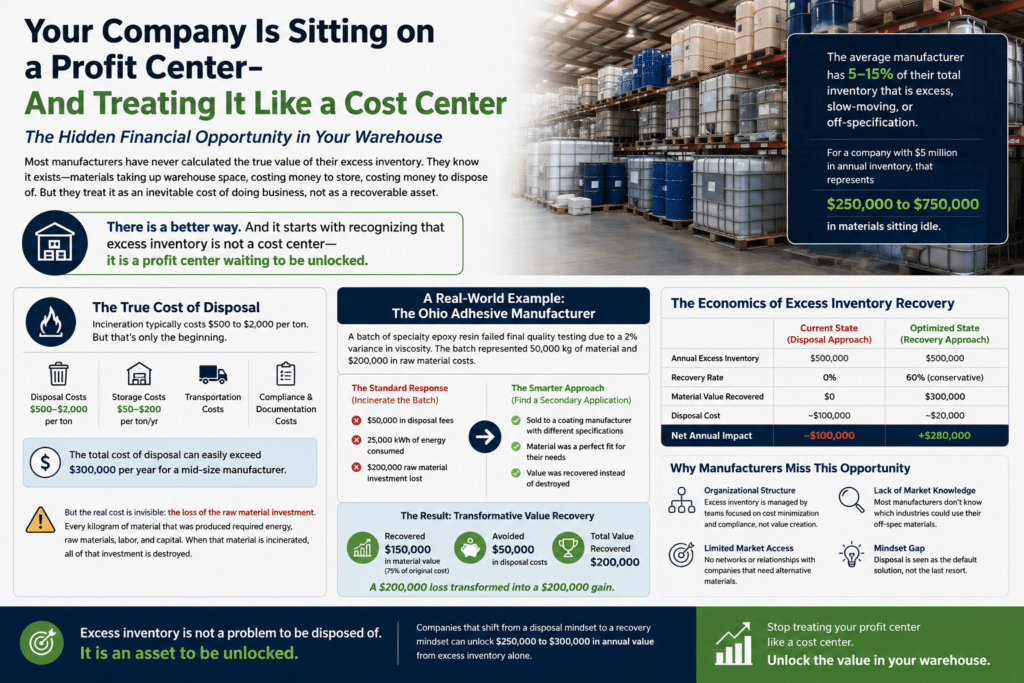
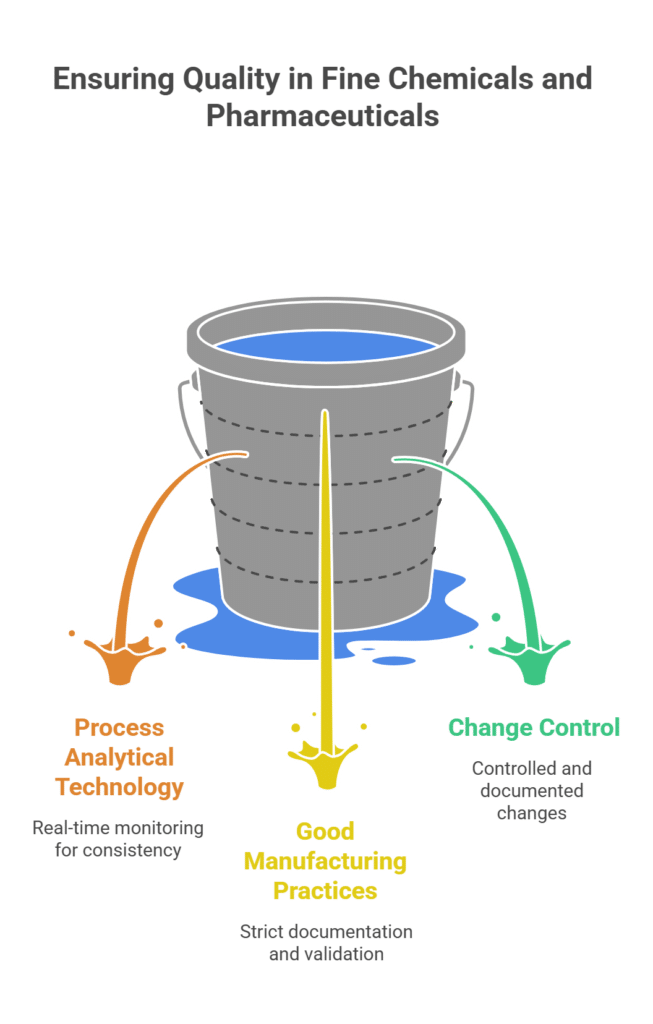
When a batch of virgin chemicals is produced, it is manufactured to meet a rigid, highly specific set of parameters for a primary customer. If that batch deviates even slightly – perhaps a 2% variance in moisture content or a minor shift in viscosity – it is rejected. For the primary manufacturer, it is a failed batch.
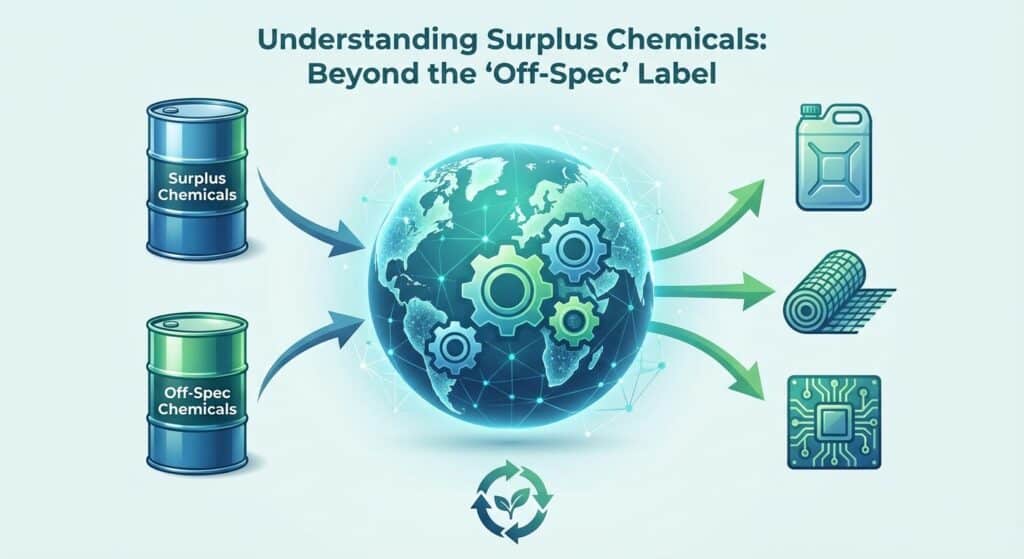
However, the chemical itself is not useless. A specialty solvent rejected by a semiconductor manufacturer due to trace impurities might perform flawlessly in an industrial adhesive formulation. The challenge is not that the material lacks value; the challenge is identifying the secondary application.
Historically, finding these cross-industry matches has relied entirely on the specialized knowledge and personal networks of experienced chemical traders. It requires an individual to look at a chemical profile and instantly recognize that an off-spec pharmaceutical intermediate can be repurposed for agricultural chemical synthesis. This manual process is effective, but it is not infinitely scalable.
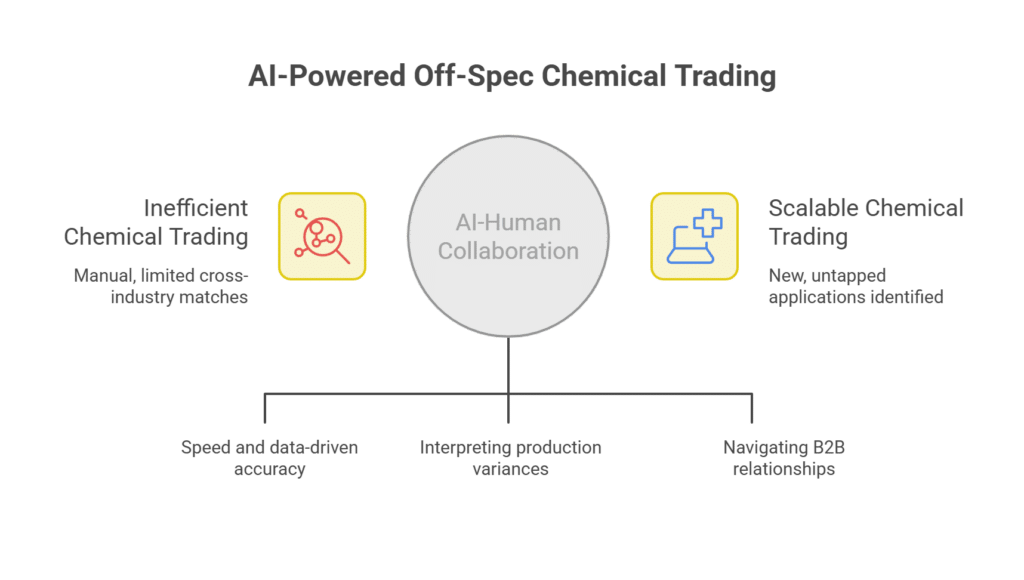
New technology enables us to achieve more by combining the deep domain expertise of professionals with the scalability of AI to identify new, untapped applications!
However, technology is a partner, not a replacement. While AI provides the speed and data-driven accuracy to match specifications, human expertise remains the “context layer” that finalizes high-value trades. Humans bring indispensable value in three key areas:
- Strategic Trust: Navigating the nuance and credibility required for high-stakes, long-term B2B relationships.
- Contextual Insight: Interpreting the story behind production variances, which raw data sheets often miss.
- Creative Problem Solving: Identifying unconventional secondary applications that require strategic vision beyond algorithmic limits.
Enter the AI Matchmaker
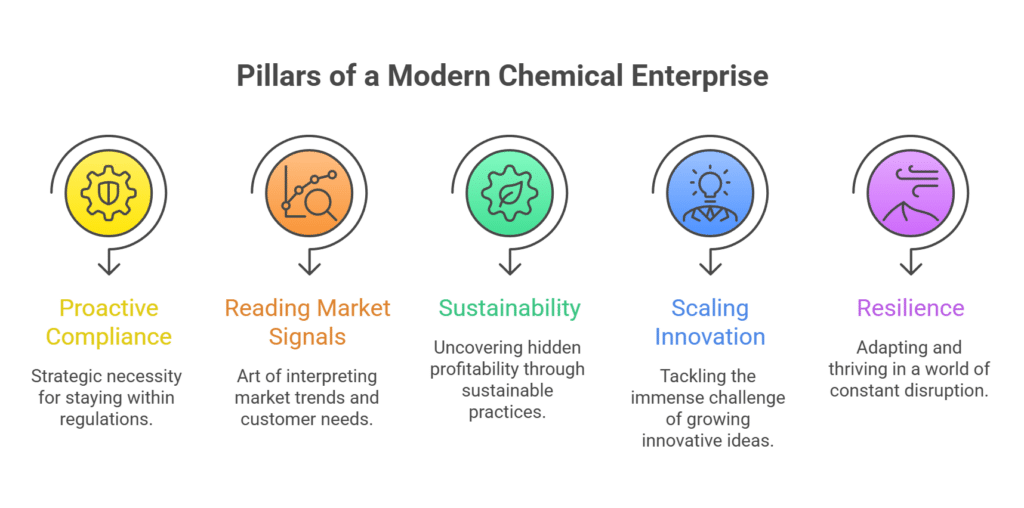
According to Deloitte’s 2026 Chemical Industry Outlook, scaling intelligent applications to boost efficiency and transform operations is a top priority for chemical enterprises [1]. In the context of surplus trading, AI represents a paradigm shift from manual networking to algorithmic optimization.
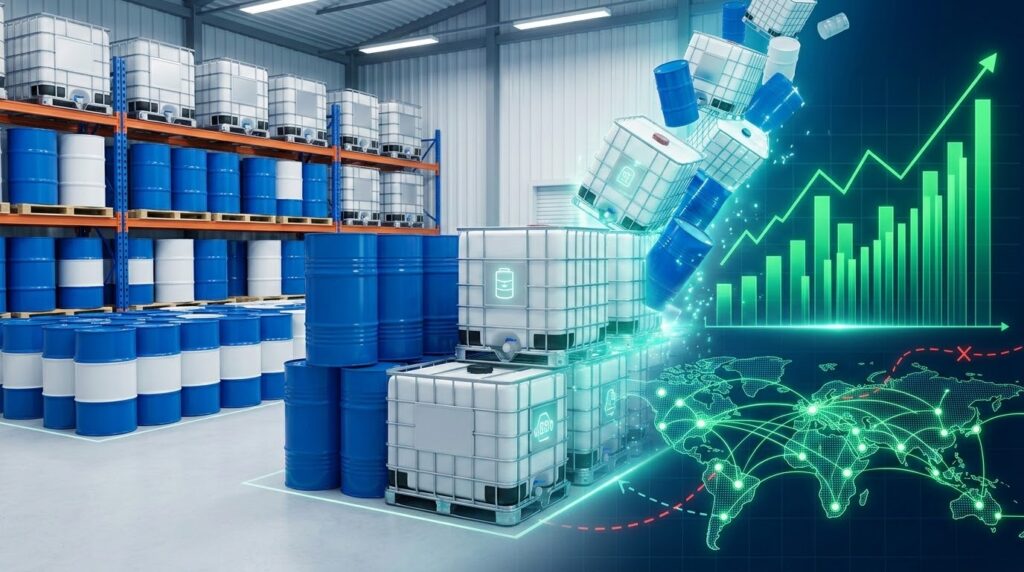
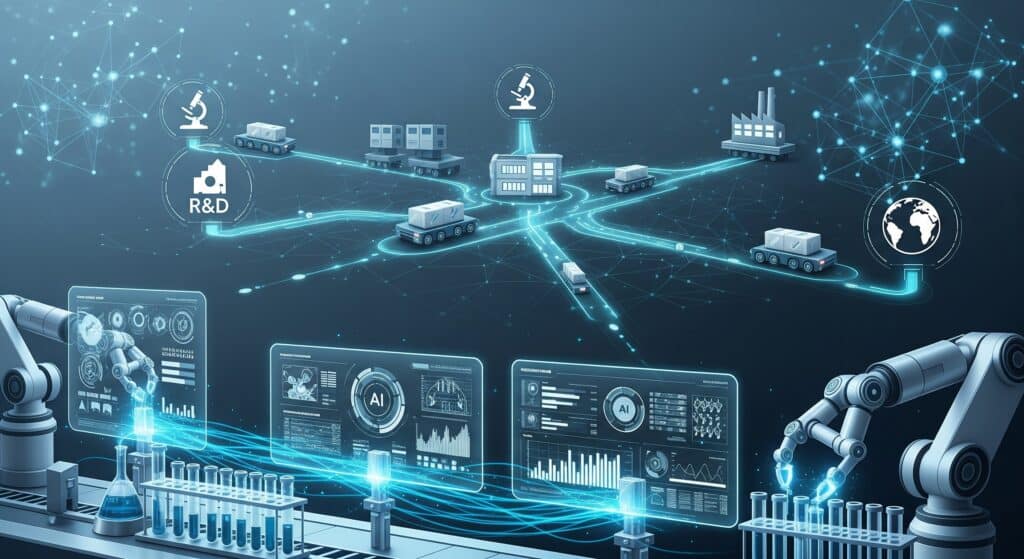
We predict that by 2027, the industry will see the widespread adoption of AI-driven digital exchanges specifically designed for surplus and off-spec chemical intermediates. These platforms will function as highly sophisticated matchmaking engines, utilizing machine learning models trained on vast datasets of chemical formulations, material safety data sheets (MSDS), and cross-industry manufacturing requirements.
How Intelligent Matching Works
When a manufacturer lists a rejected batch of chemicals, they will input the exact specifications, including the specific parameters that caused the batch to fail. The AI engine will instantly analyze these properties against a global database of manufacturing needs.
Instead of simply searching for a buyer looking for that exact chemical name, the algorithm will identify alternative applications where the off-spec parameters are acceptable or even desirable. It will connect a seller in North America with a buyer in India who needs those exact chemical properties for a completely different end-use product.
Unlocking Value for Sellers and Buyers
The implications of this technology are transformative for both sides of the surplus equation.
For North American Sellers: Rapid Value Recovery
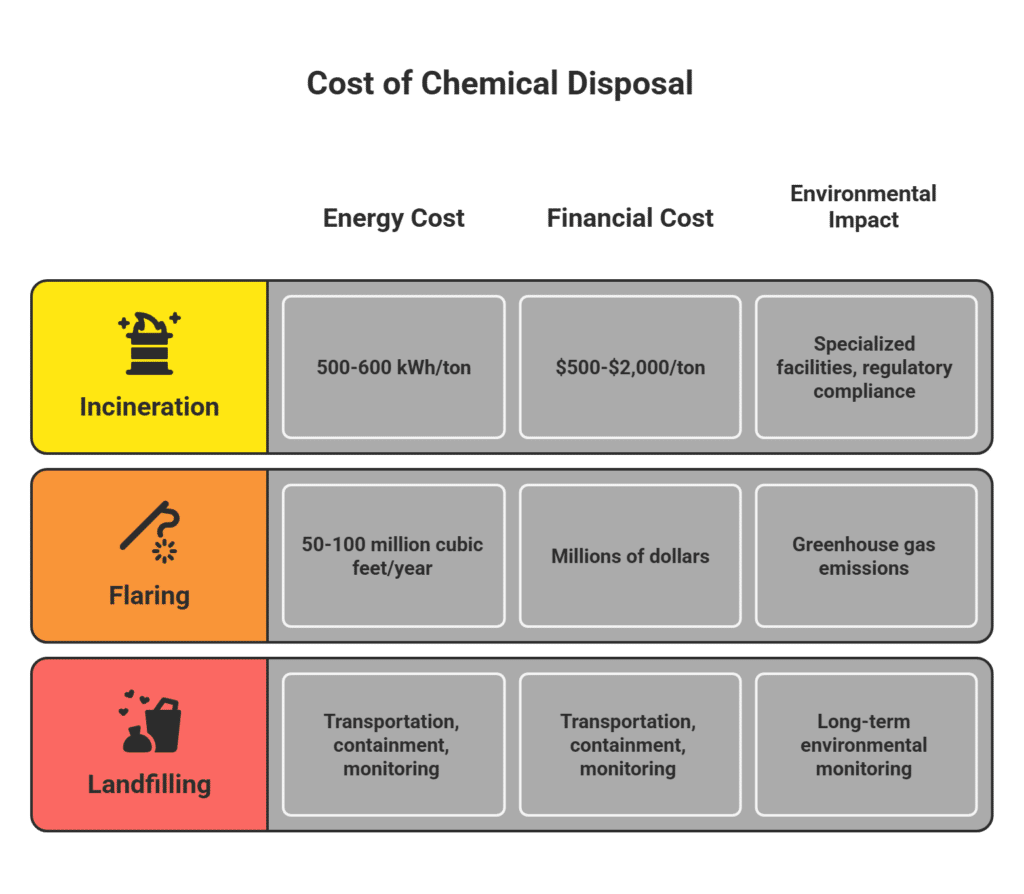
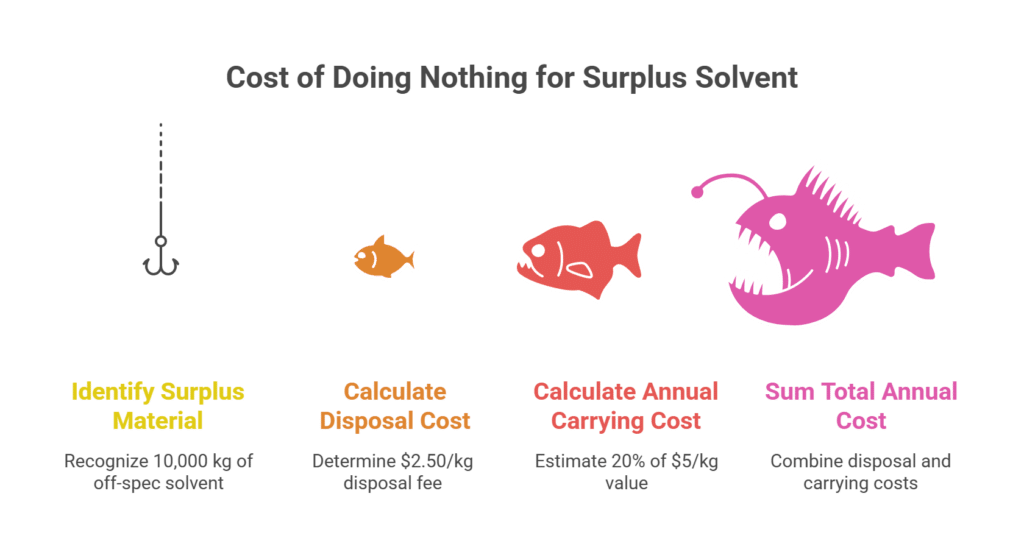
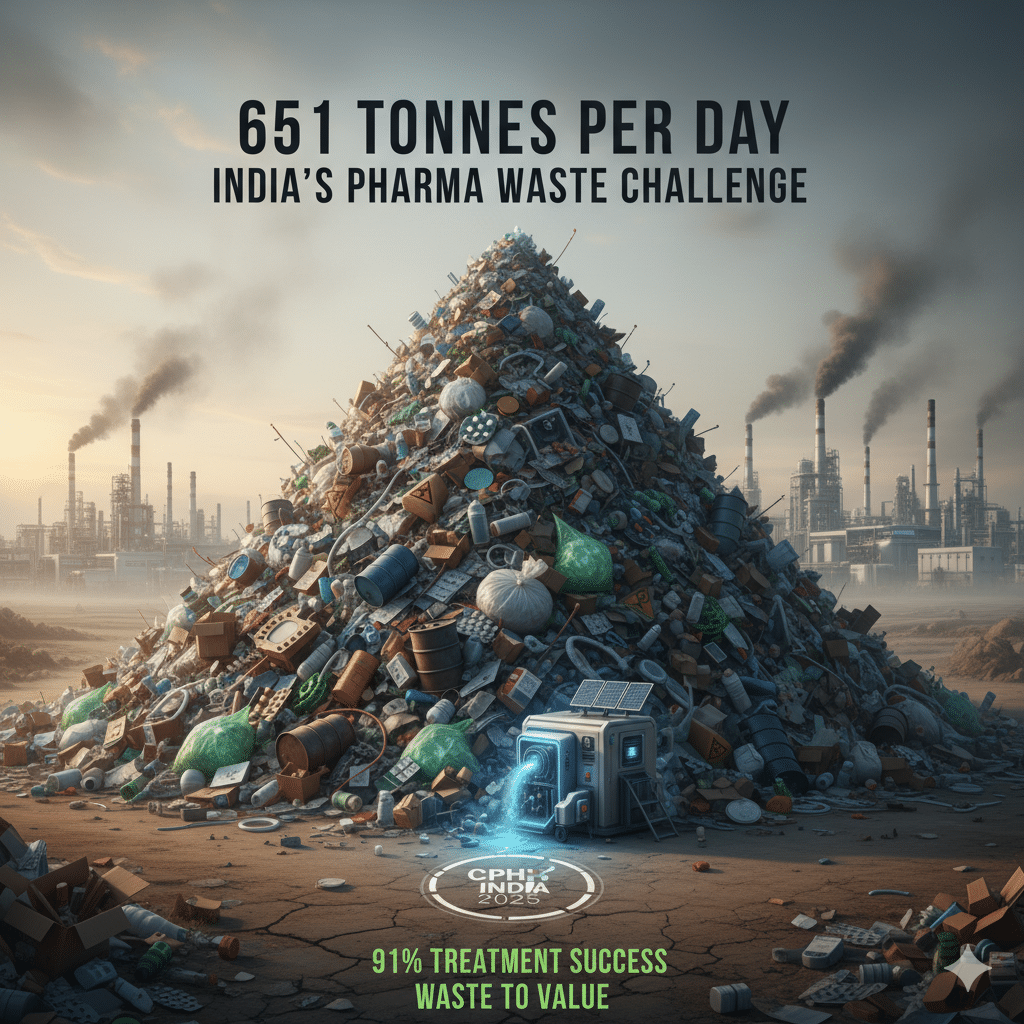
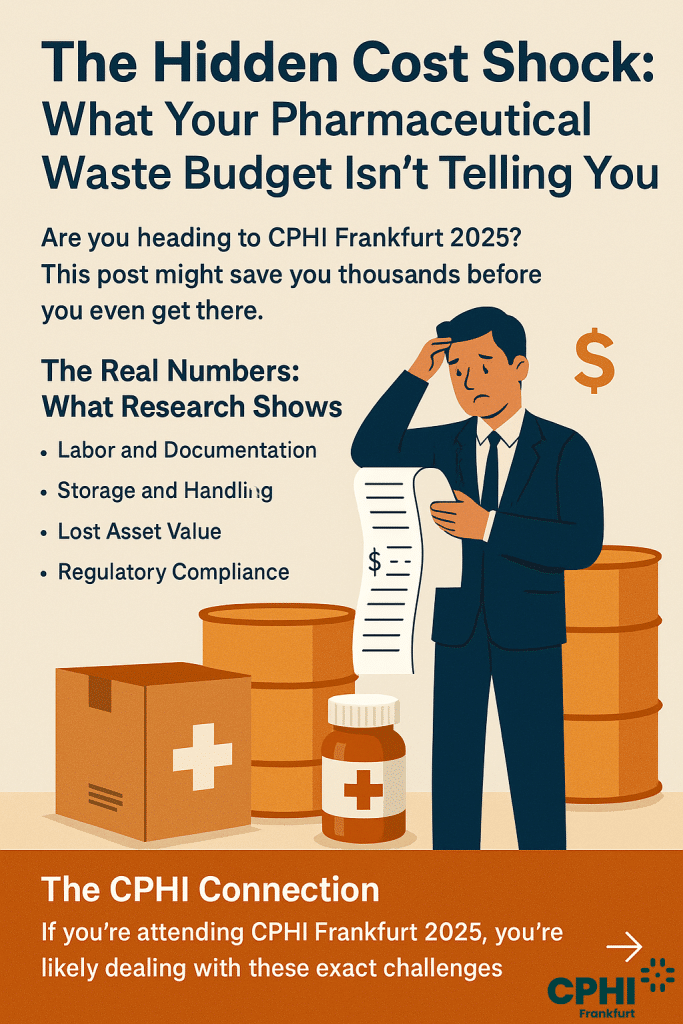
Currently, manufacturers often resort to incineration or landfilling for off-spec batches simply because the cost and time required to find a secondary buyer outweigh the perceived value of the material. As we have noted previously, this approach treats a potential profit center as a cost center, destroying both the raw material investment and incurring hefty disposal fees.
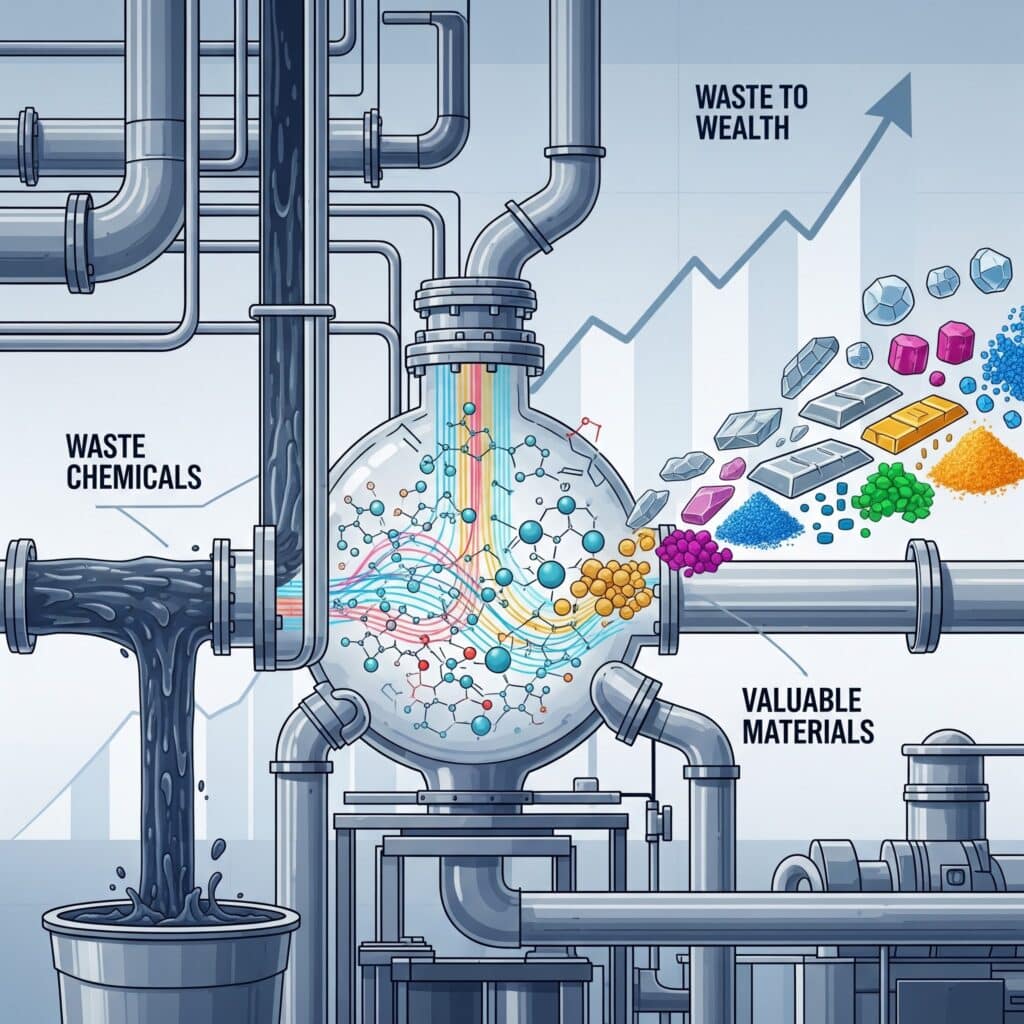
AI-driven exchanges will drastically reduce the time-to-market for surplus inventory. By instantly identifying viable secondary applications, sellers can recover up to 40-70% of their initial raw material investment while simultaneously eliminating disposal costs and advancing their corporate sustainability goals.
For Global Buyers: Strategic Sourcing
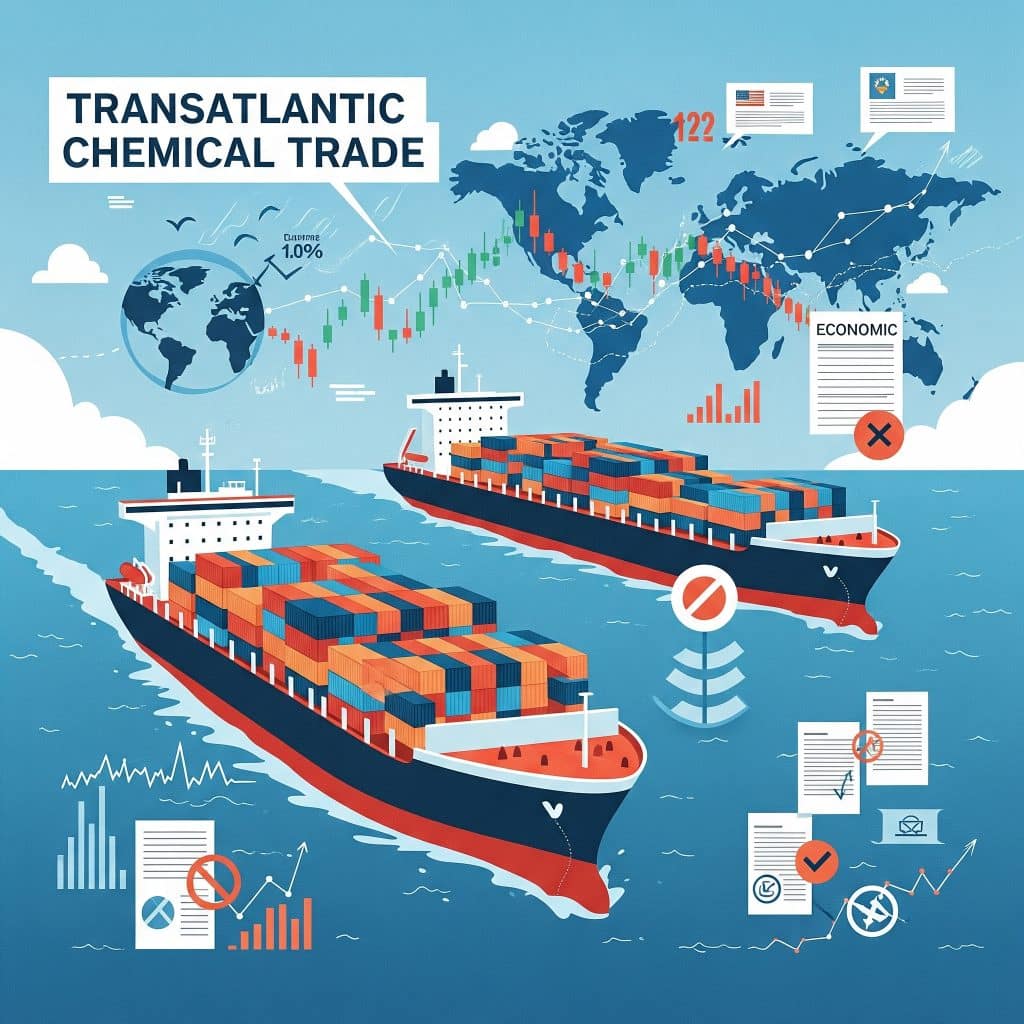
For rapidly expanding manufacturing hubs, particularly in markets like India, securing reliable, cost-effective chemical feedstocks is a constant challenge. Import bills are staggering, and international supply chains remain vulnerable to tariff volatility and geopolitical disruptions.
Intelligent surplus exchanges will provide these buyers with real-time visibility into available domestic and international off-spec inventory. Procurement teams will be able to source high-quality intermediates at significant discounts compared to virgin market prices, creating a powerful buffer against supply chain shocks.
The Future of the Circular Economy
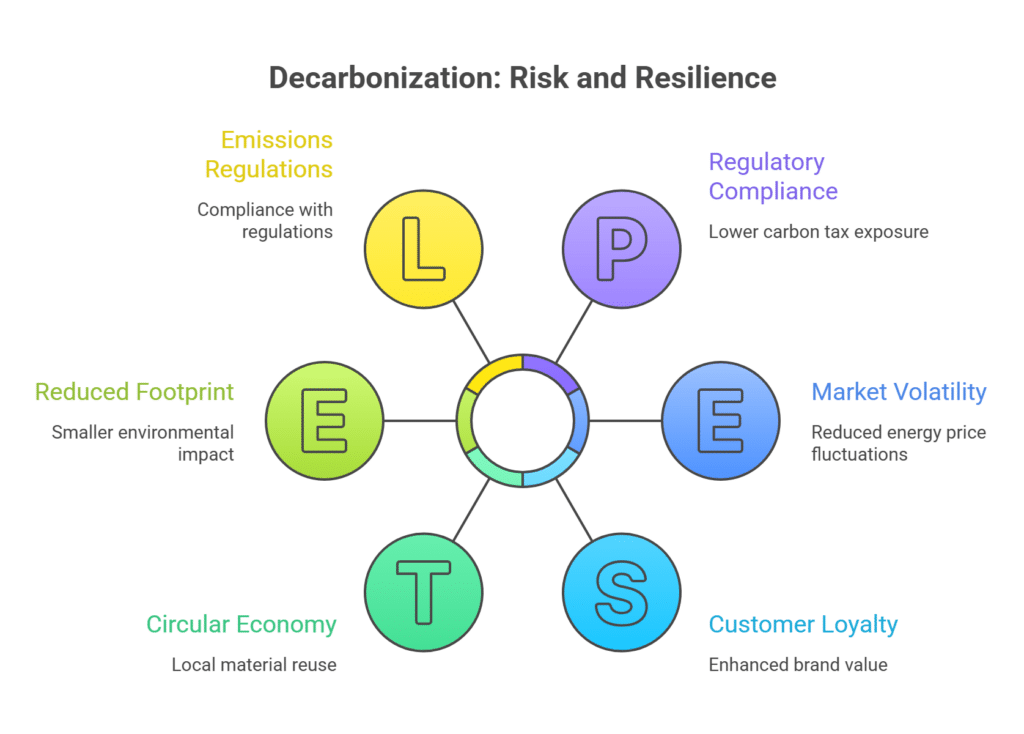
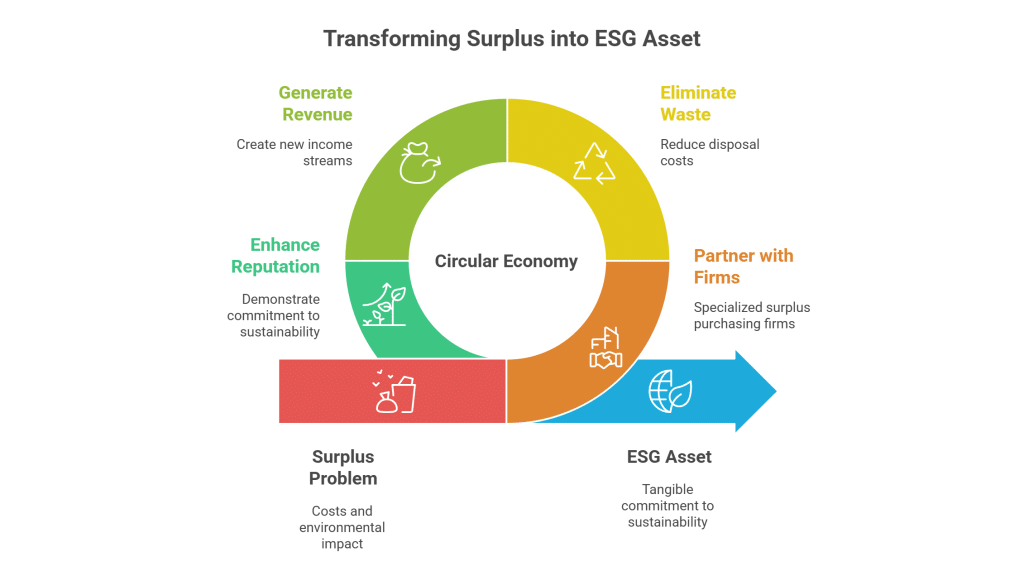
The transition to a circular economy in the chemical sector cannot rely solely on goodwill; it requires scalable, economically viable infrastructure. By bridging the knowledge gap between failed batches and secondary applications, AI is building that infrastructure.
At Surplus International, we are actively preparing for this digital shift. We understand that the future of chemical redistribution lies at the intersection of deep industry expertise and advanced technological capability. The chemical industry is producing the surplus; AI is about to provide the map to its hidden value.
[1] Deloitte Insights. (2025). 2026 Chemical Industry Outlook. Deloitte. Retrieved from https://www.deloitte.com/us/en/insights/industry/chemicals-and-specialty-materials/chemical-industry-outlook.html