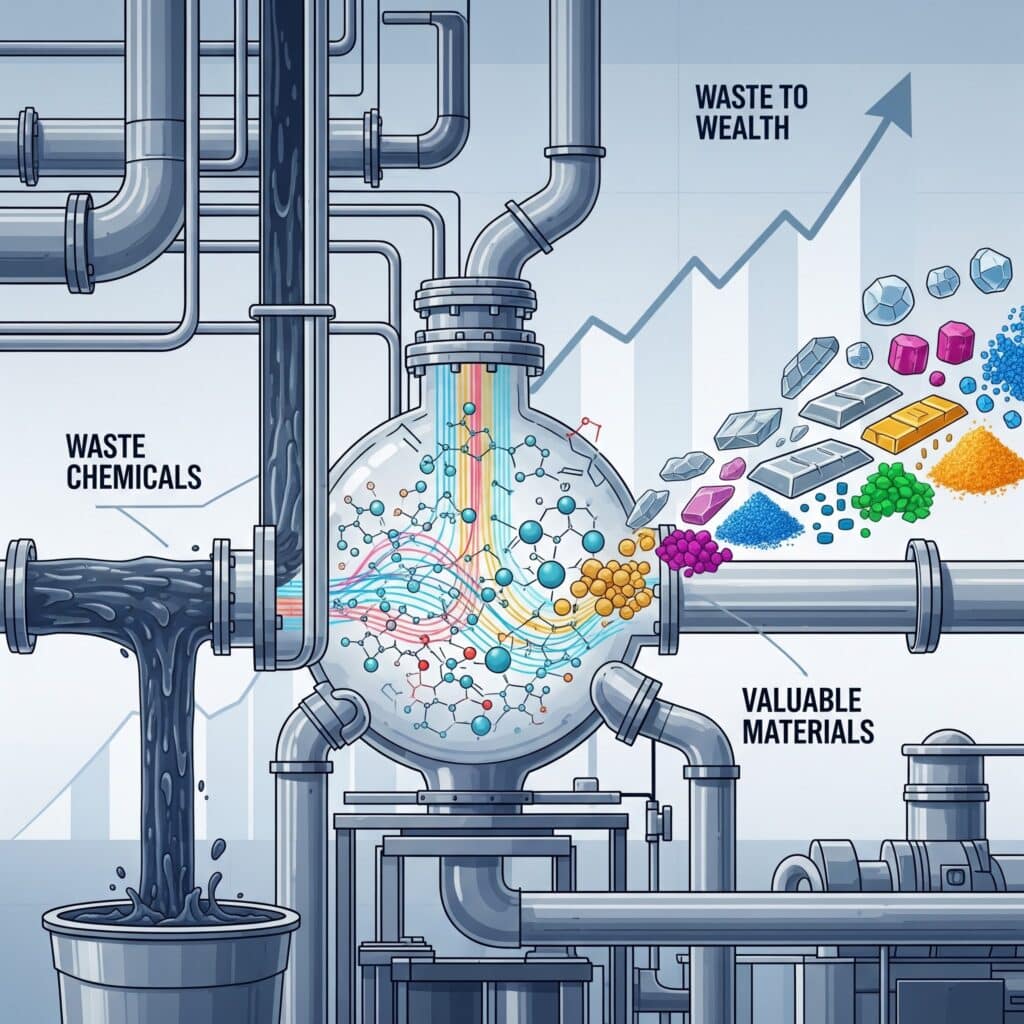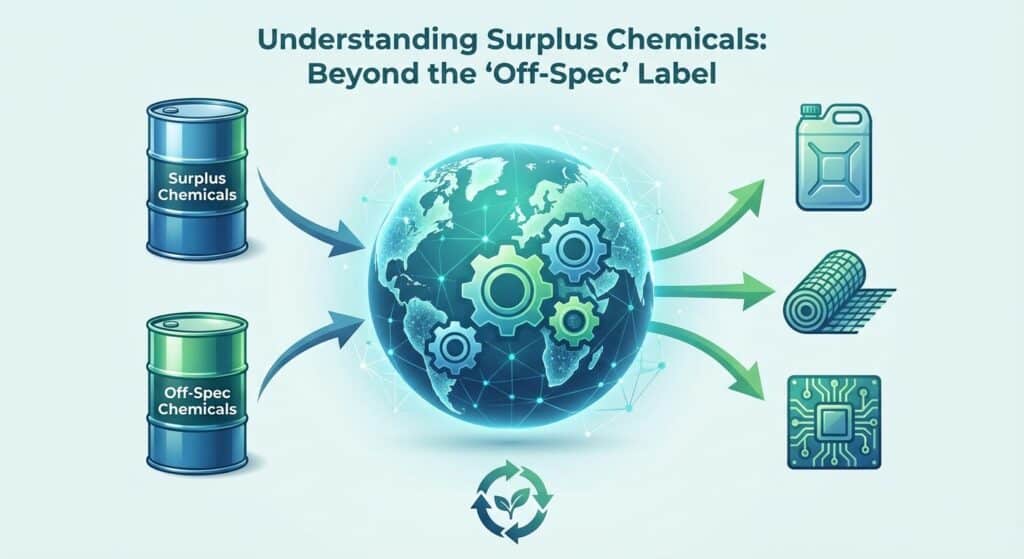

The chemical industry faces an uncomfortable paradox. While manufacturers invest enormous energy resources to produce chemicals, when those chemicals fall slightly out of specification, they often face destruction rather than reuse. This waste of embodied energy represents a massive, largely invisible cost to both the environment and corporate bottom lines.
The Hidden Energy Cost of Chemical Manufacturing
The U.S. chemical industry accounts for approximately 29 percent of all energy consumed in the manufacturing sector [1]. This energy-intensive profile reflects the fundamental nature of chemical production: breaking molecular bonds, synthesizing new compounds, and maintaining precise temperature and pressure conditions all require substantial energy inputs.
According to the European Chemical Industry Council (CEFIC), the chemical industry uses approximately 25-50% of the natural gas it purchases as raw material feedstock, with the remainder used to generate steam, heat, and electricity for production processes [2]. This dual use of energy- both as a chemical input and as a processing fuel- means that every molecule of chemical produced carries significant embodied energy.
The Energy Cost Breakdown
| Energy Source | Primary Use | Percentage of Total | Annual Cost Impact |
|---|---|---|---|
| Natural Gas | Feedstock + Process Heat | ~50% | $12-15 billion [3] |
| Electricity | Equipment Operation, Cooling | ~25% | $6-8 billion [3] |
| LPG/NGL | Feedstock + Supplemental Heat | ~20% | $9-11 billion [3] |
| Byproduct Fuels | Internal Process Heat | ~5% | $1-2 billion [3] |
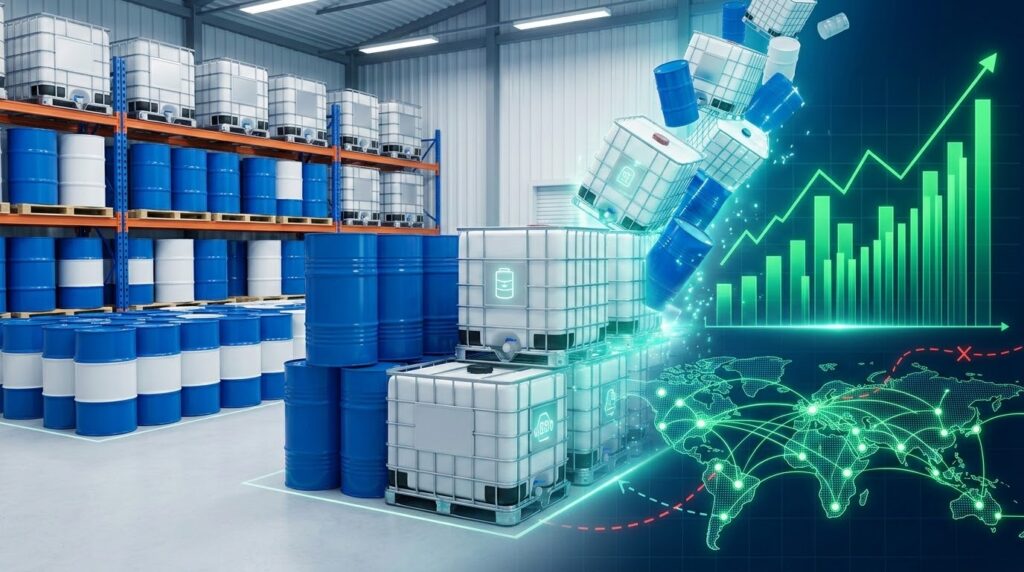
When a batch of chemical falls out of specification- whether due to a minor variance in purity, moisture content, particle size, or color- the entire embodied energy investment is at risk. The manufacturer faces a choice: find a secondary application, store the material indefinitely, or dispose of it.
The True Cost of Chemical Disposal
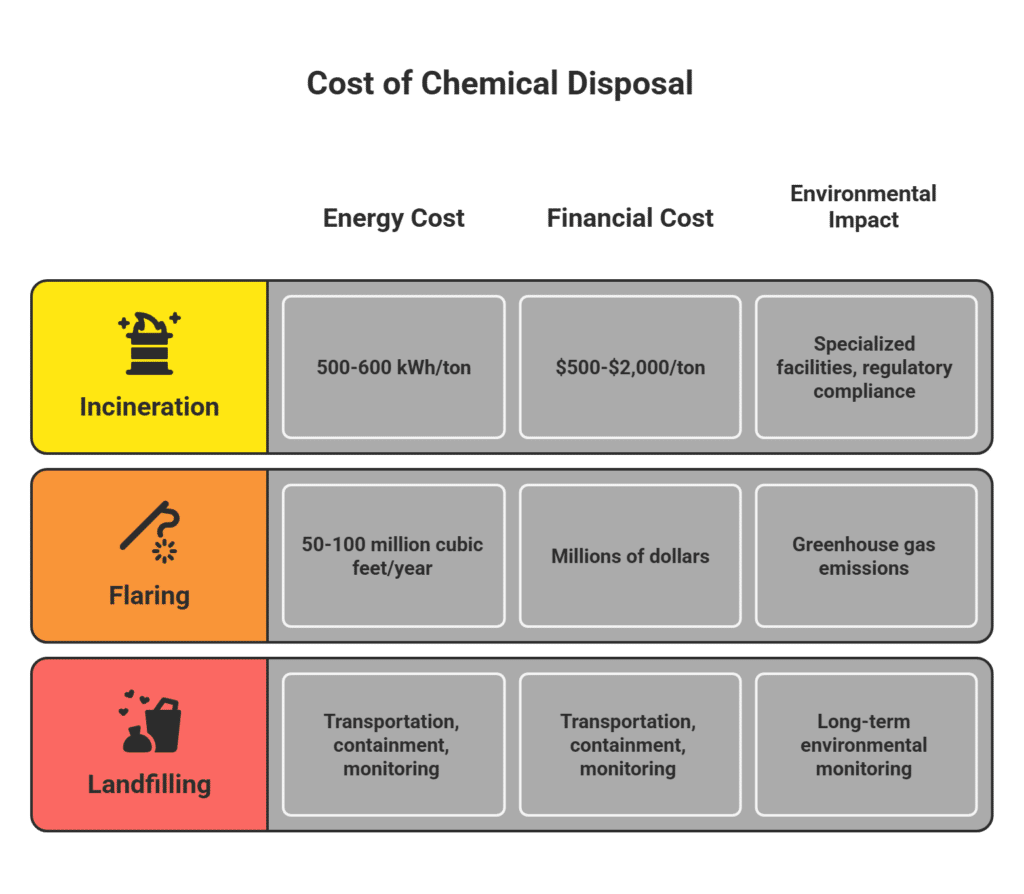
Disposal is rarely free. The most common methods- incineration, flaring, and landfilling- each carry significant energy and financial costs.
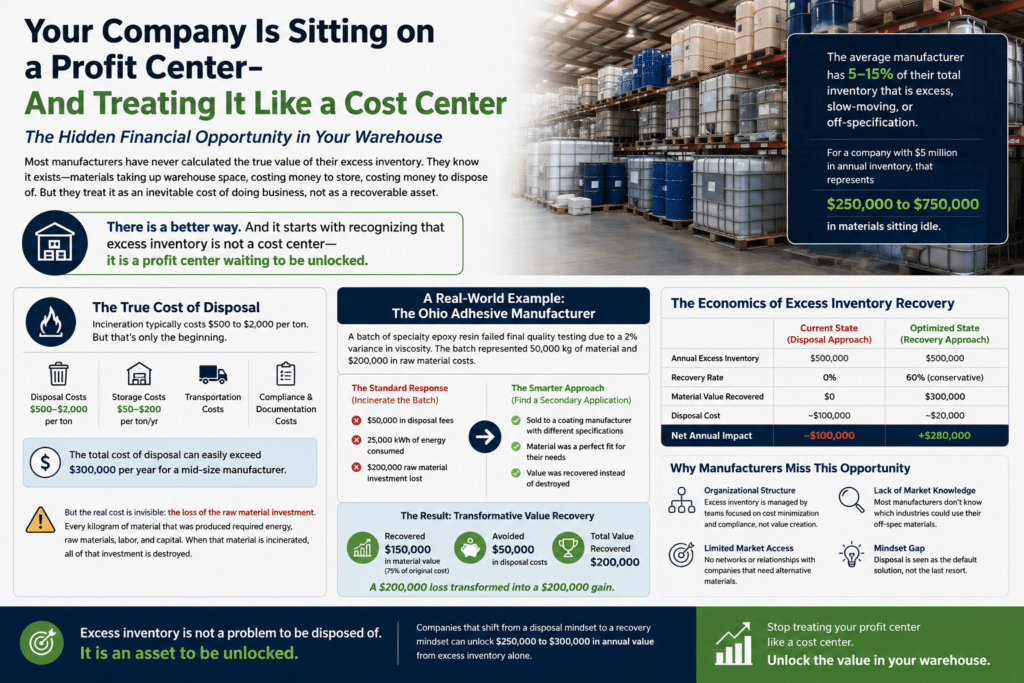
Incineration: Hazardous waste incineration facilities consume approximately 500-600 kWh of electricity per ton of waste processed [4]. For a mid-sized chemical manufacturer disposing of 100 tons of off-spec material annually, this represents 50,000-60,000 kWh of energy consumption- equivalent to the annual electricity usage of 5-6 U.S. households. Beyond the electricity cost, incineration requires specialized facilities, regulatory compliance, and transportation, often totaling $500-$2,000 per ton [5].
Flaring: In the petroleum and chemical industries, flaring (burning excess gases) is a common disposal method. A single flare stack can consume 50-100 million cubic feet of natural gas annually, representing millions of dollars in wasted energy and contributing significantly to greenhouse gas emissions [6].
Landfilling: While less energy-intensive than incineration, landfilling off-spec chemicals still requires transportation, containment infrastructure, and long-term environmental monitoring- all energy-consuming processes.
The Embodied Energy Alternative
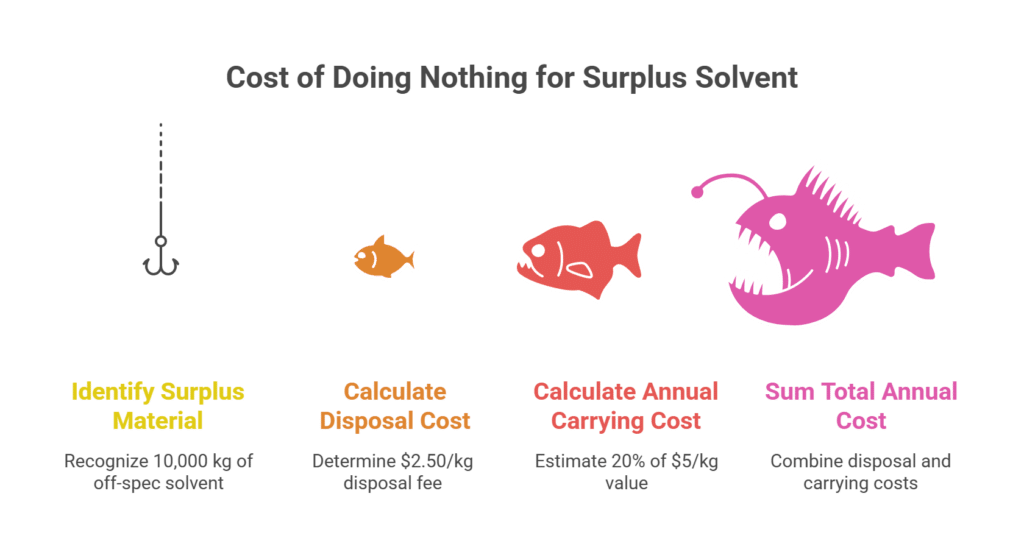
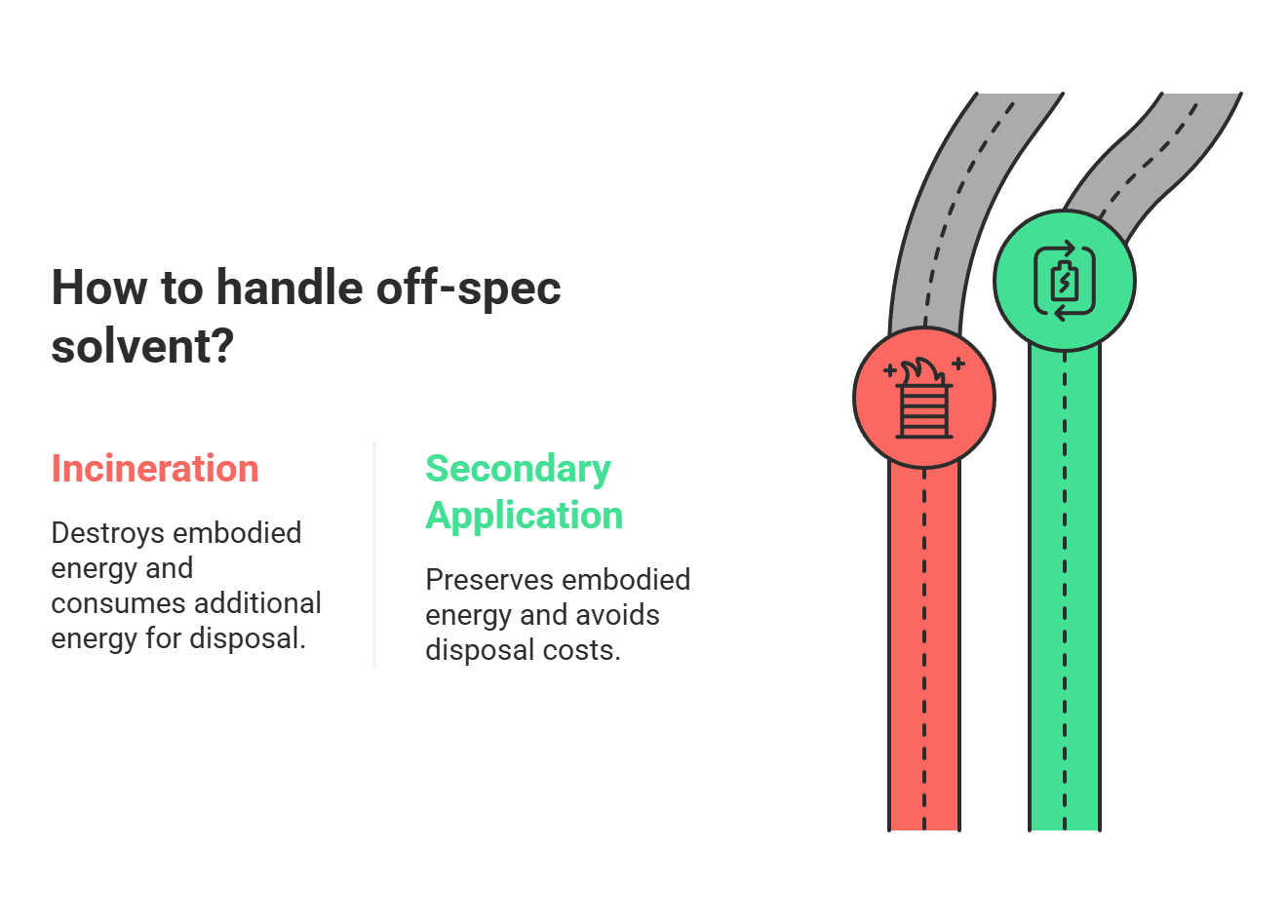
Consider the energy mathematics of an off-spec solvent. A typical industrial solvent requires approximately 15-25 kWh of energy per kilogram to produce, depending on the specific compound [7]. A batch of 10,000 kg of off-spec solvent therefore contains 150,000-250,000 kWh of embodied energy.
If this batch is incinerated, that embodied energy is destroyed, and an additional 5,000-6,000 kWh is consumed in the disposal process itself. The total energy loss: 155,000-256,000 kWh.
Conversely, if the same batch is identified for a secondary application- perhaps used in a less demanding industrial process where the minor specification variance is irrelevant- the embodied energy is preserved and deployed productively. No additional manufacturing energy is required, and no disposal energy is consumed.
Real-World Example: The Adhesive Manufacturer’s Energy Win
In 2025, a mid-sized adhesive manufacturer in Ohio faced a critical decision. A production run of specialty epoxy resin had failed final quality testing due to a 2% variance in viscosity from the target specification. The batch represented 50,000 kg of material and $200,000 in raw material costs.
The standard approach would have been incineration: approximately 25,000 kWh of energy consumption, $50,000 in disposal costs, and the complete loss of 750,000-1,250,000 kWh of embodied energy from the failed batch.
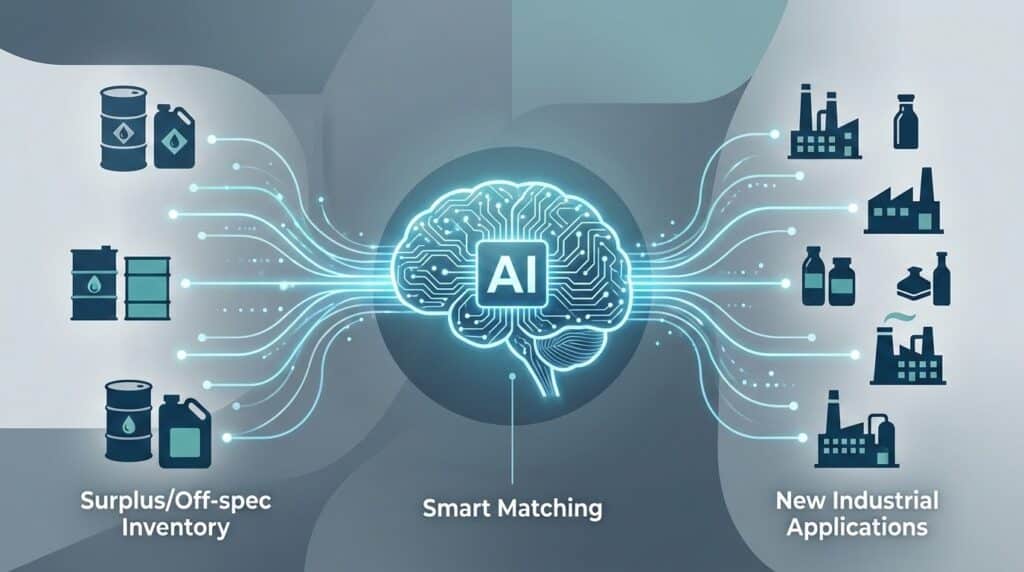
Instead, the manufacturer worked with a surplus chemical network to identify a secondary application. A coating manufacturer required an adhesive precursor with similar chemical properties but more relaxed viscosity tolerances. The epoxy resin batch was perfectly suited for this application.
By redirecting the material rather than incinerating it, the manufacturer:
- Preserved 750,000-1,250,000 kWh of embodied energy
- Avoided 25,000 kWh of incineration energy consumption
- Recovered $150,000 in material value (60% of raw material cost)
- Reduced Scope 3 emissions by approximately 15 metric tons of CO2 equivalent
The total energy savings: equivalent to powering 100 U.S. homes for one month.
How to handle off-spec solvent?
Aligning with Corporate Energy Management Goals
Major corporations increasingly track energy consumption through frameworks like ENERGY STAR, ISO 50001, and Science-Based Targets (SBTi). These programs measure not only direct energy use (Scope 1 and 2) but also indirect energy consumption embedded in supply chains (Scope 3).
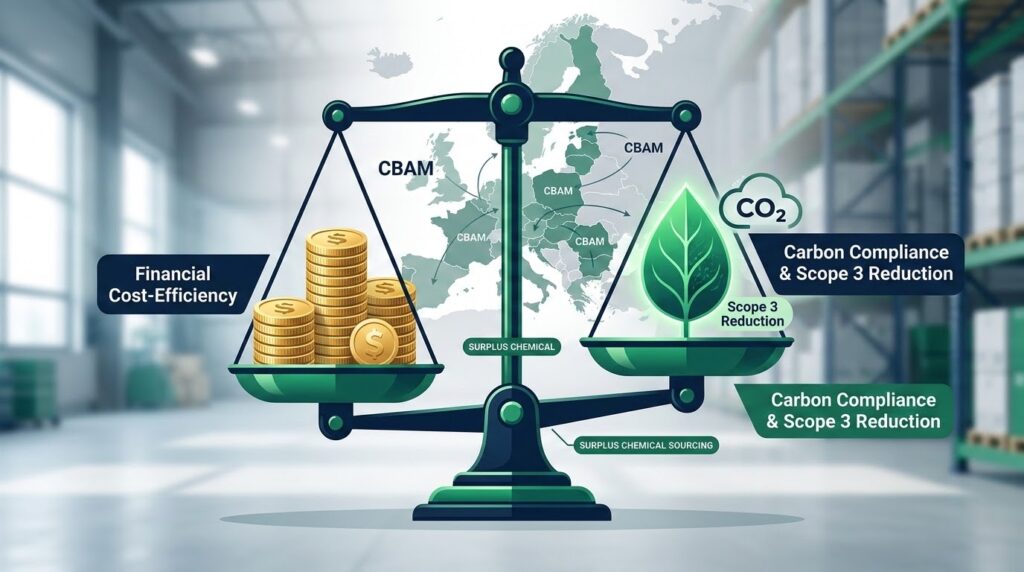
By integrating off-spec chemical sourcing into procurement strategies, companies can directly reduce Scope 3 emissions. When a manufacturer sources a surplus chemical instead of purchasing a virgin equivalent, they avoid the energy-intensive production process entirely. This translates directly into measurable progress toward corporate energy reduction targets.
A typical scenario: sourcing 1,000 tons of surplus specialty chemical instead of manufacturing virgin equivalent saves approximately 15,000-25,000 kWh of energy and reduces Scope 3 emissions by 10-15 metric tons of CO2 equivalent. For a company with aggressive energy reduction targets, this represents meaningful progress.
The Emerging Energy Efficiency Opportunity
As energy costs continue to rise and corporate sustainability commitments become increasingly binding, the strategic value of off-spec chemical utilization will only increase. Companies that build robust networks for identifying and deploying surplus chemicals will gain a competitive advantage in energy efficiency and carbon reduction.
Prediction: By 2028, we will see the emergence of standardized “Energy Intensity Ratings” for off-spec chemicals, similar to ENERGY STAR labels for appliances. These ratings will quantify the embodied energy preserved by utilizing a surplus material rather than manufacturing a virgin replacement, allowing procurement teams to make energy-optimized sourcing decisions. Companies that adopt these practices early will achieve 15-25% reductions in Scope 3 emissions from their chemical supply chains, providing measurable competitive advantage in ESG-driven procurement decisions.
References
[1] U.S. Energy Information Administration. (2022). “Manufacturing Energy Consumption Survey (MECS) – Chemical Industry Analysis Brief.” https://www.eia.gov/consumption/manufacturing/briefs/chemical/index.php
[2] European Chemical Industry Council (CEFIC). (2026). “Energy Consumption.” https://cefic.org/facts-and-figures-of-the-european-chemical-industry/energy-consumption/
[3] American Chemistry Council. (2026). “Energy & Greenhouse Gas Emissions.” https://www.americanchemistry.com/chemistry-in-america/data-industry-statistics/economic-elements-of-chemistry/energy-greenhouse-gas-emissions
[4] U.S. Environmental Protection Agency. (2026). “Energy Recovery from the Combustion of Municipal Solid Waste (MSW).” https://www.epa.gov/smm/energy-recovery-combustion-municipal-solid-waste-msw
[5] RTS Environmental Solutions. (2021). “The Pros and Cons of Waste-to-Energy.” https://www.rts.com/blog/what-is-waste-to-energy/
[6] Clean Energy Wire. (2021). “Waste to Energy – Controversial power generation by incineration.” https://www.cleanenergywire.org/factsheets/waste-energy-controversial-power-generation-incineration
[7] ScienceDirect. (2026). “Embodied Energy – an overview.” https://www.sciencedirect.com/topics/engineering/embodied-energy