
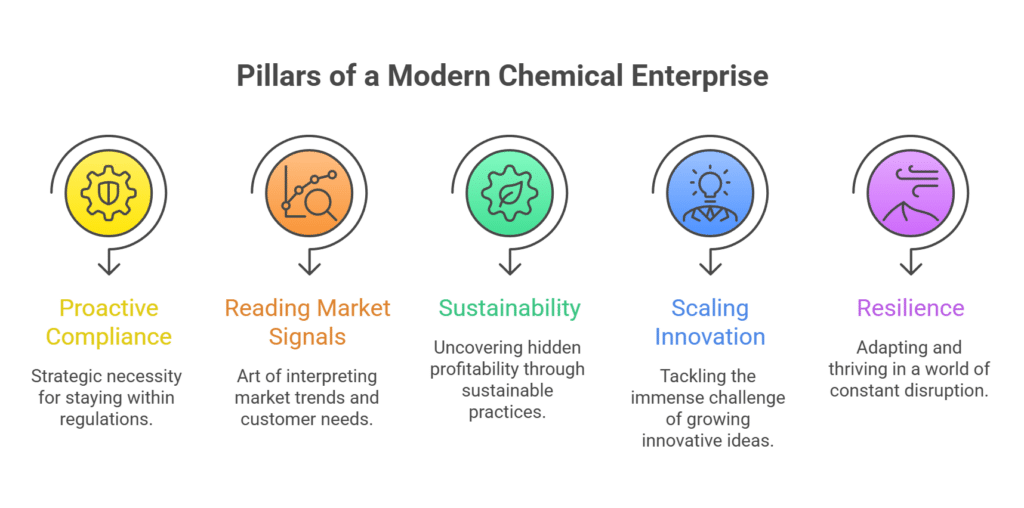
For years, “resilience” has been a popular buzzword, often used to describe a company’s ability to bounce back from a setback. But the events of the past few years- a global pandemic, geopolitical conflicts, extreme weather events, and unprecedented market volatility- have taught us a harsh lesson. Bouncing back is not enough. True resilience is not about returning to the way things were. It is about having the foresight, the flexibility, and the fortitude to adapt and thrive in a world of constant disruption.
As we look toward Chemspec Europe, the underlying theme of every conversation, from regulatory strategy to process innovation, will be the urgent need to build more resilient enterprises. This is the final piece of the puzzle, where all our previous discussions converge into a single, actionable strategy.
The Paradigm Shift: From “Just-in-Time” to “Just-in-Case”
The supply chain philosophy that dominated the past three decades was “just-in-time” (JIT). The goal was maximum efficiency, achieved by minimizing inventory and relying on a hyper-optimized, globally interconnected network of suppliers. It was a model that worked beautifully- until it didn’t.
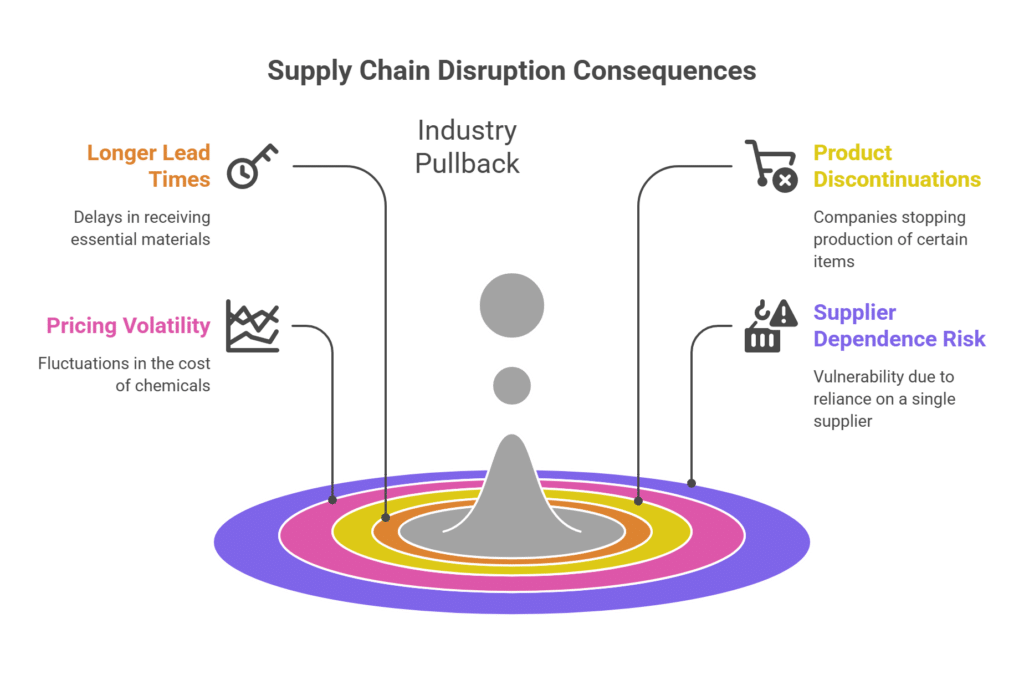
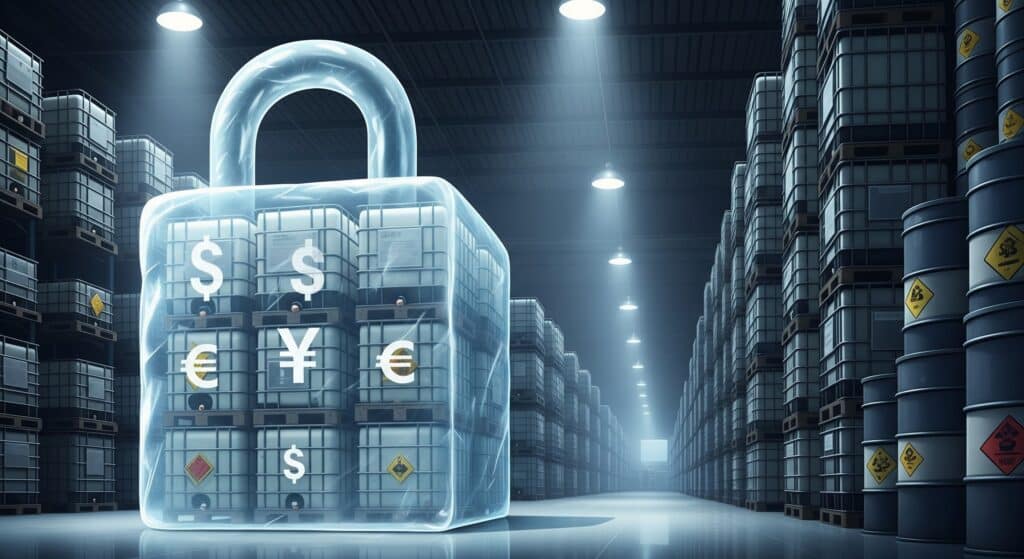
The fragility of this model was brutally exposed when a single disruption- a factory fire, a blocked canal, a pandemic- could bring entire industries to a standstill. The pursuit of efficiency had come at the cost of robustness.
Today, the paradigm has shifted to “just-in-case.” This does not mean abandoning efficiency. It means building a system with options, buffers, and the flexibility to withstand shocks. It is a move from a rigid, linear chain to a dynamic, networked ecosystem.
The Integrated Pillars of a Resilient Supply Chain
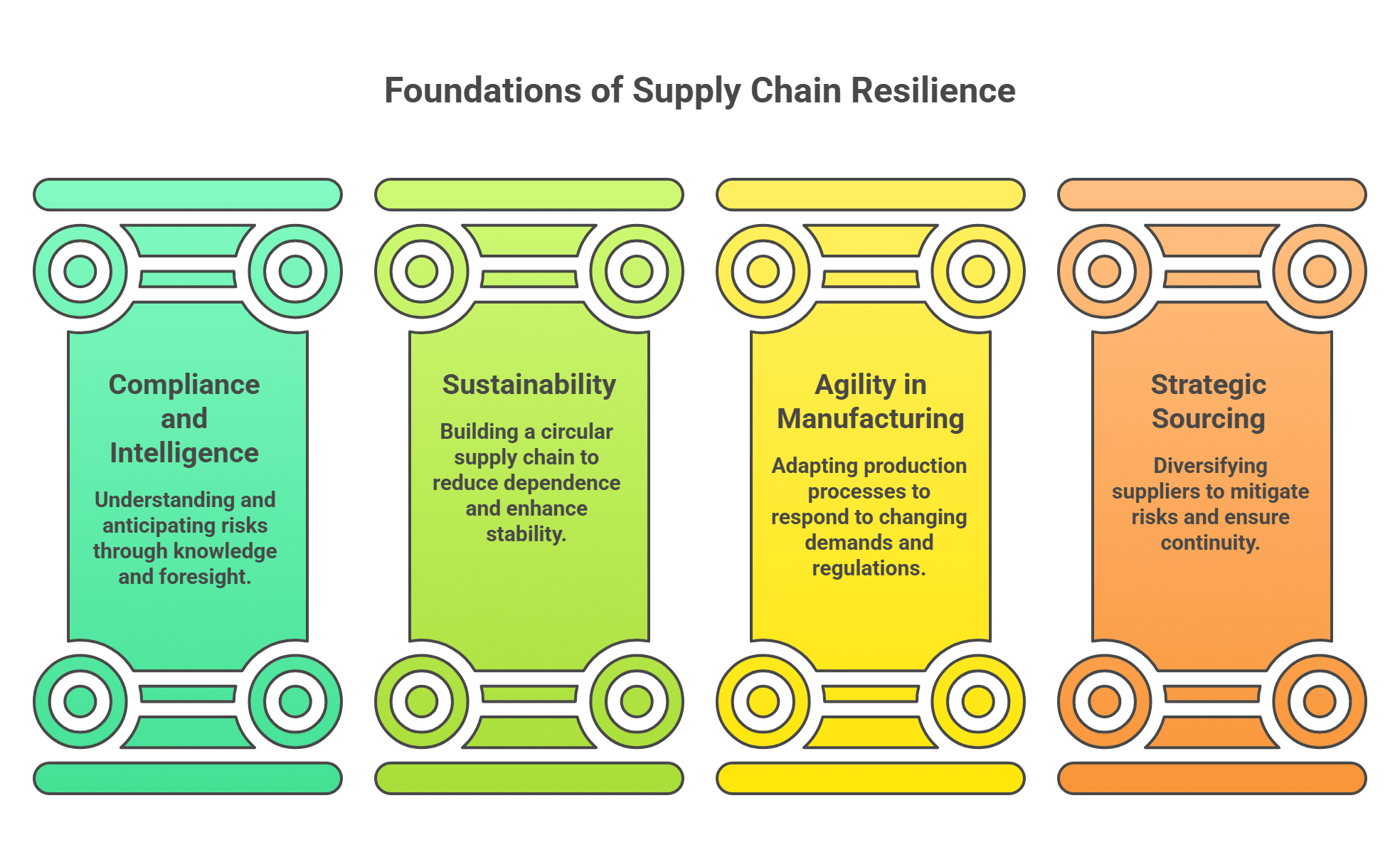
True resilience is not a standalone initiative. It is the emergent property of a business that has mastered the four pillars we have discussed in this series.
- Compliance and Intelligence as a Foundation: A resilient supply chain is built on a foundation of knowledge. As we explored in our articles on regulatory compliance and market signals, the ability to see risks before they materialize is the first line of defense. A company that understands the regulatory landscape and can anticipate market shifts is a company that can proactively adjust its strategy, rather than reactively scrambling to catch up.
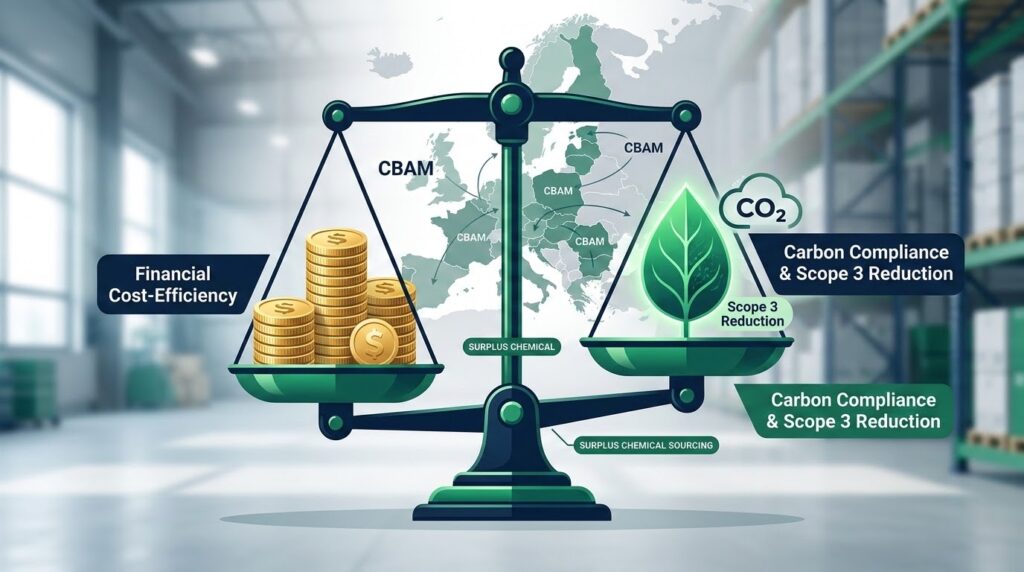
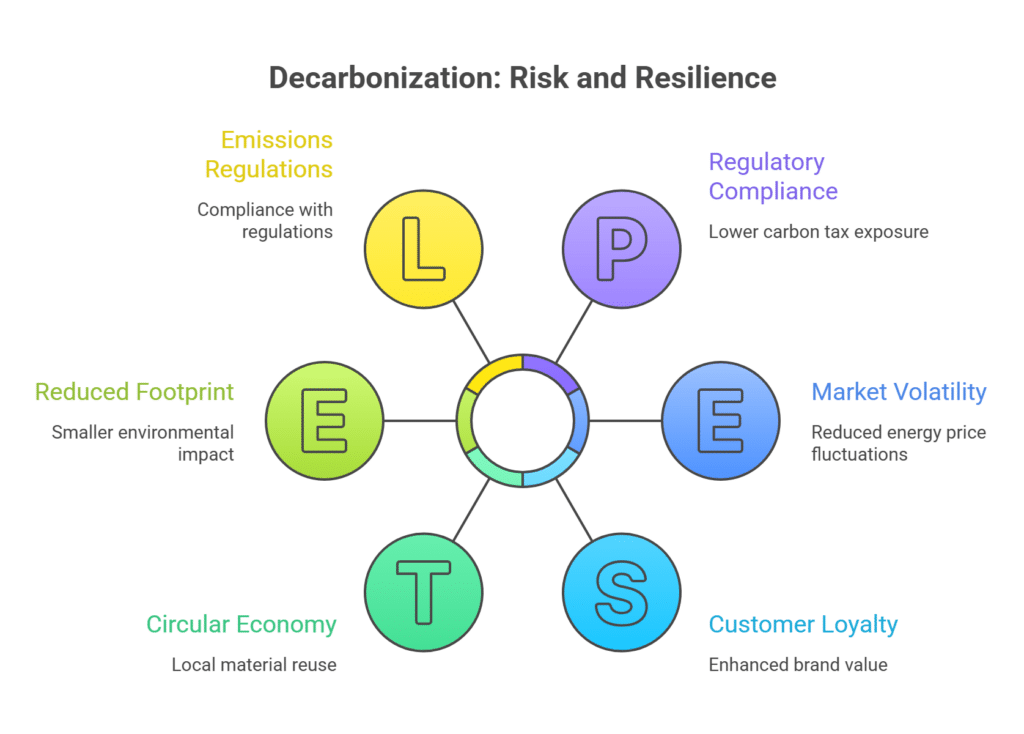
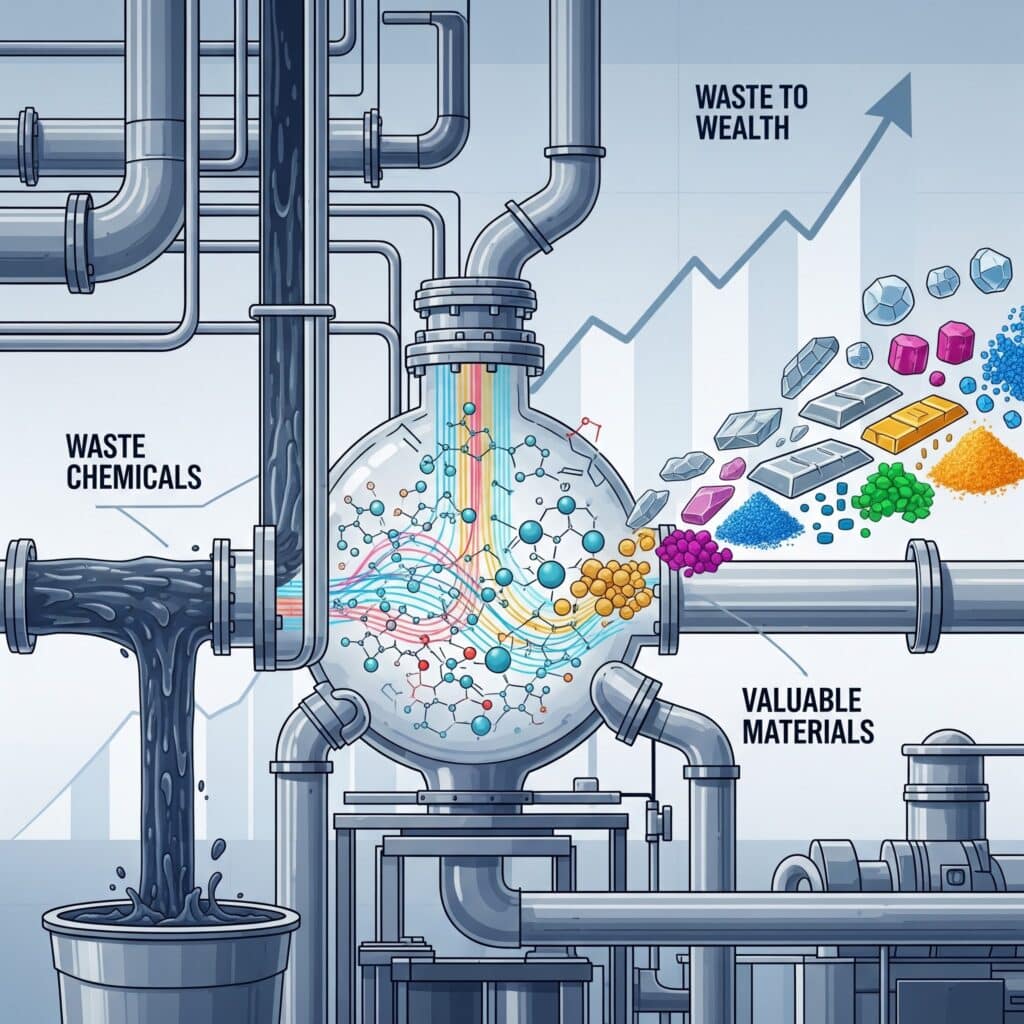
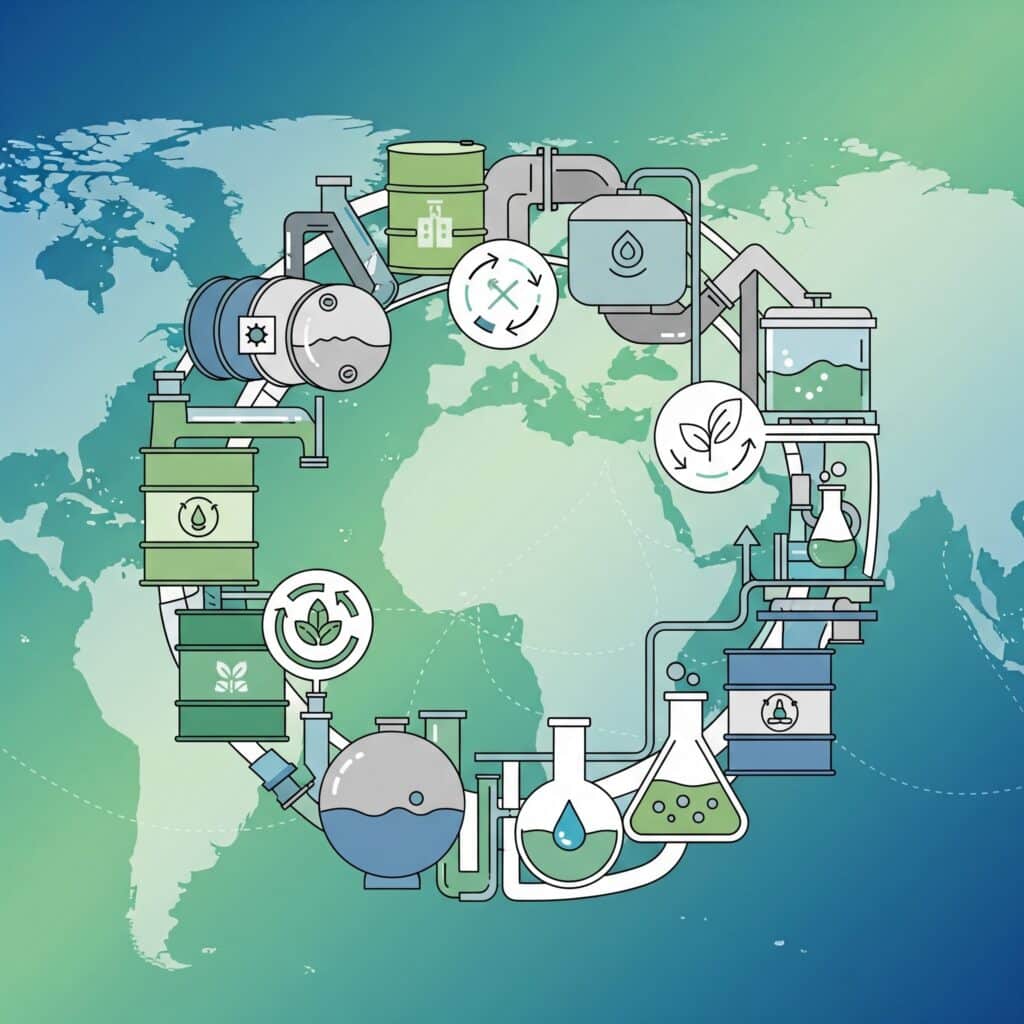
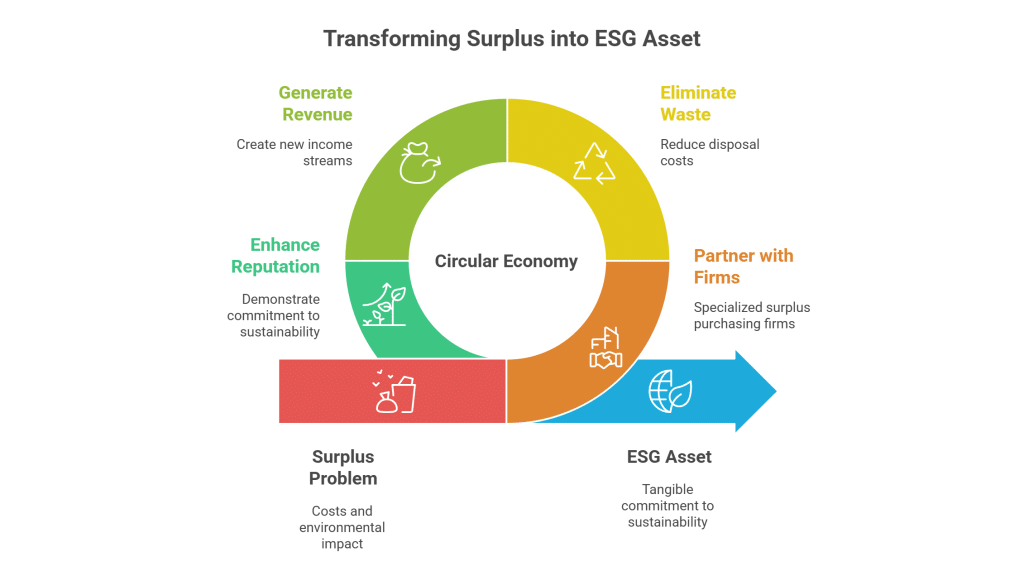
- Sustainability as an Engine of Resilience: As we discussed in our article on decarbonization, a circular supply chain is an inherently more resilient one. By reducing dependence on volatile virgin resource markets and long, fragile global supply lines, you insulate your business from price shocks and geopolitical turmoil. Every ton of material you can recover, reuse, or source from a surplus chemical supplier is a step toward greater independence and stability.
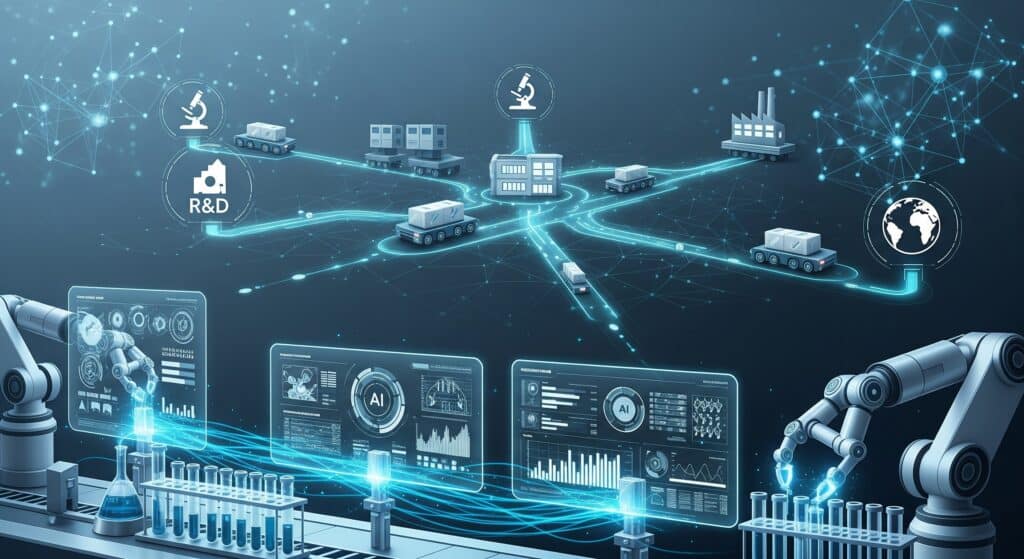
- Agility in Manufacturing and Innovation: The ability to scale innovation is not just about growth; it’s about adaptability. A company with agile manufacturing processes can more easily switch to alternative raw materials, reformulate products in response to regulatory changes, or ramp up production of a critical material in response to a sudden surge in demand.
- Strategic Sourcing and Supplier Diversity: This is the final, critical pillar. The era of relying on a single supplier for a critical raw material simply because they offer the lowest price is over. A 2025 McKinsey report found that supply chain disruptions can now be expected to erase about 45% of one year’s EBITDA every decade [1]. The cost of a single disruption far outweighs the savings from a non-diversified sourcing strategy.
The Strategic Role of the Surplus Market
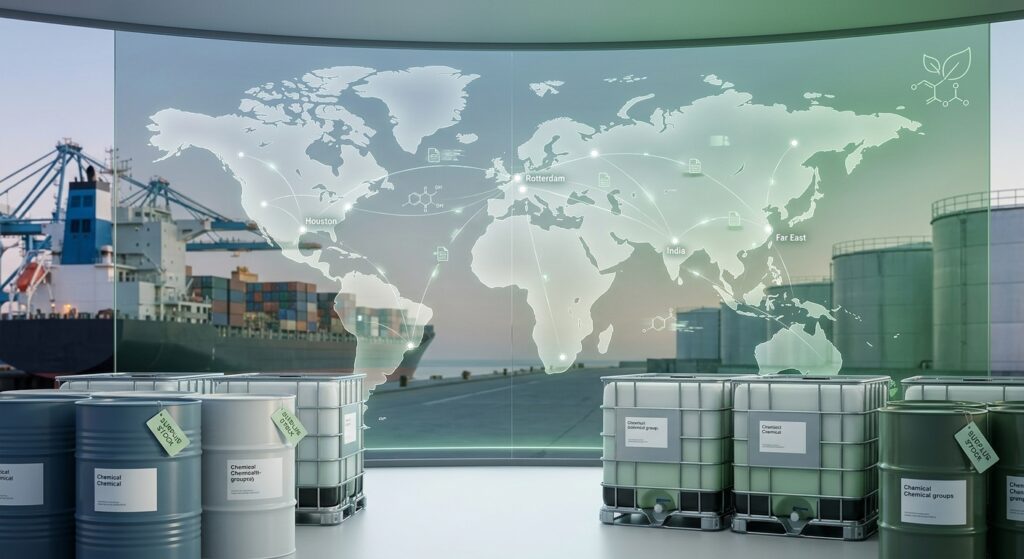
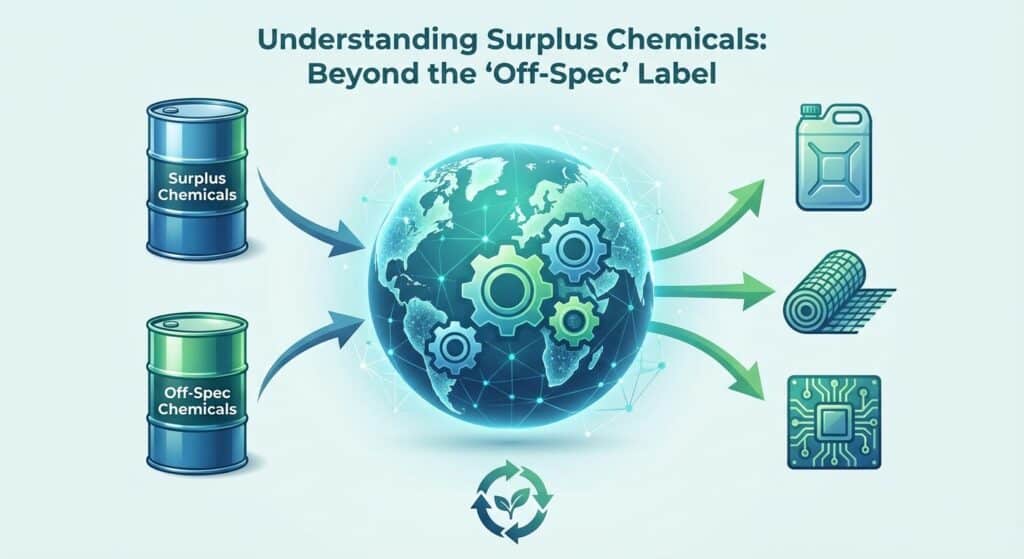
Building a diversified supplier base means going beyond simply having a primary and a secondary supplier. It means building a multi-tiered sourcing strategy that includes the surplus chemical market as a formal, integrated component.
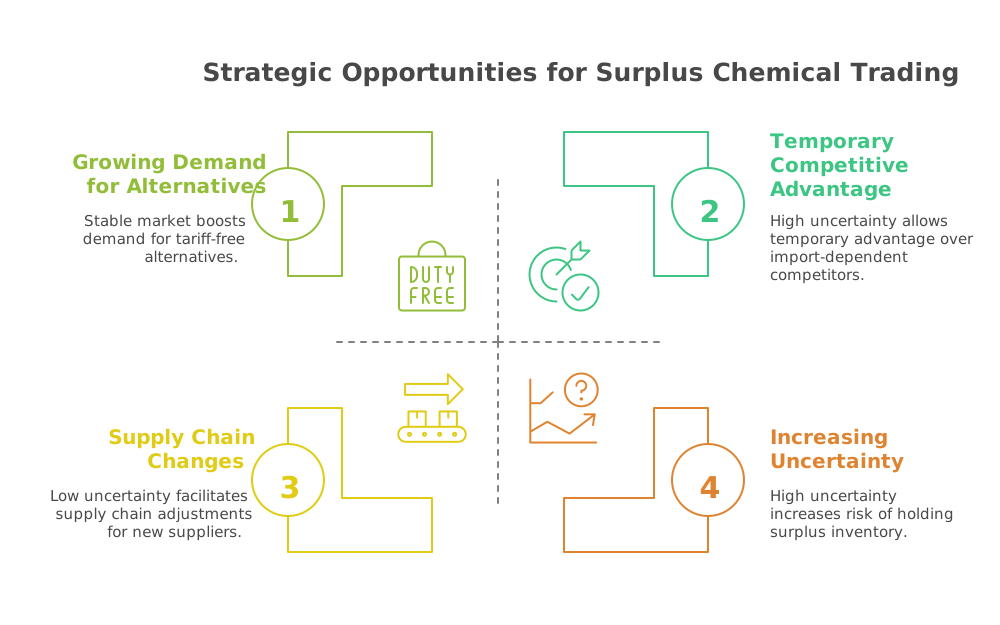
The surplus market is no longer just a place for distressed inventory. It is a strategic tool for agility and risk mitigation.
- A Buffer Against Shocks: When a primary supplier is knocked offline by a natural disaster or a political event, the surplus market can provide a critical source of spot material to keep your production lines running.
- A Hedge Against Volatility: During periods of extreme price volatility, the surplus market can offer a source of materials at a discount to the overheated primary market, helping to protect your margins.
- A Source of Innovation: The surplus market can provide access to a wide range of materials that can be used for R&D, pilot projects, and process optimization without the need for large minimum order quantities.
By incorporating a network of trusted partners who specialize in chemical sourcing and the surplus market, you build flexibility directly into your procurement strategy.
Conclusion: Your Lifeline in a Volatile World
Resilience is not a project with a start and an end date. It is a continuous, dynamic capability that must be woven into the fabric of your organization. It is the synthesis of regulatory foresight, market intelligence, sustainable practices, manufacturing agility, and a sophisticated, multi-layered sourcing strategy.
In a world where the only certainty is uncertainty, the ability to adapt is the ultimate competitive advantage. A resilient supply chain is no longer a nice-to-have; it is your lifeline.
References
[1] McKinsey & Company. (2025). “Risk, Resilience, and Rebalancing in Global Value Chains.” https://www.mckinsey.com/business-functions/operations/our-insights/risk-resilience-and-rebalancing-in-global-value-chains.
[2] Gartner. (2025). “Top Trends in Supply Chain and Operations.” https://www.gartner.com/en/supply-chain/trends/top-supply-chain-trends.
[3] World Economic Forum. (2024). “Global Risks Report 2024.” https://www.weforum.org/publications/global-risks-report-2024/. ”’