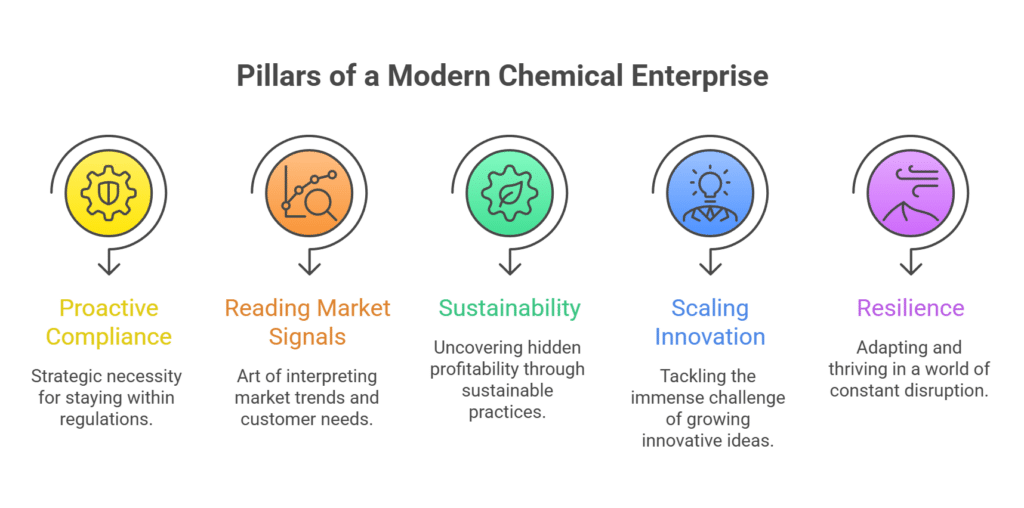

As the industry prepares to gather at Chemspec Europe, the conversation is shifting. The opening keynote, “Mastering Global Chemical Regulations: What to Expect in 2026-2027,” signals a critical inflection point. Leaders are no longer asking, “How do we stay compliant?” They are asking, “How do we turn compliance into a competitive advantage?”
This article explores why this mindset shift is essential and how your organization can leverage regulatory expertise to not only de-risk your operations but also unlock new growth opportunities.
The Shifting Landscape: Beyond a Box-Ticking Exercise
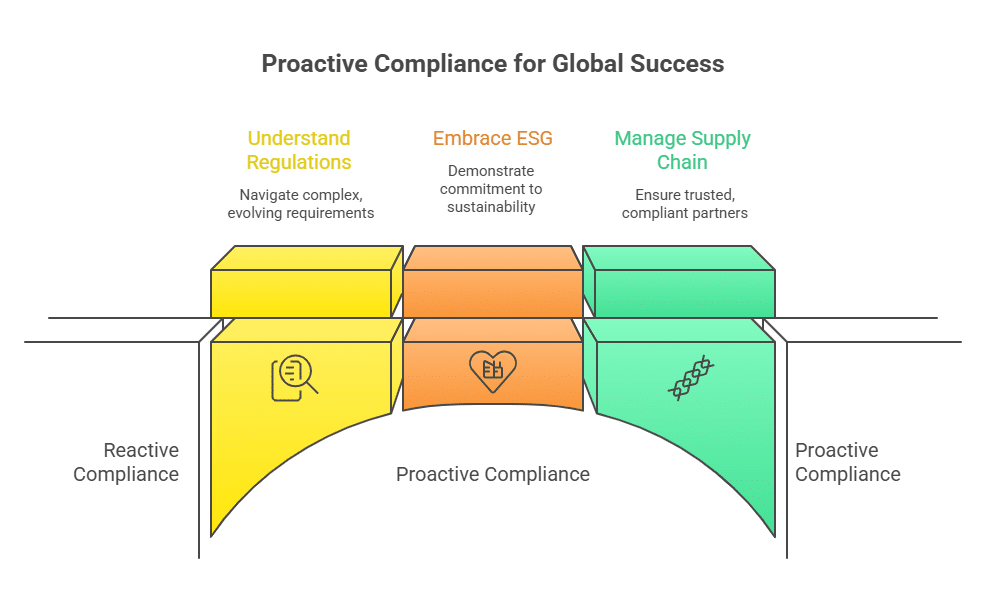
The era of treating compliance as a simple checklist is over. Several converging forces are making a proactive stance essential:
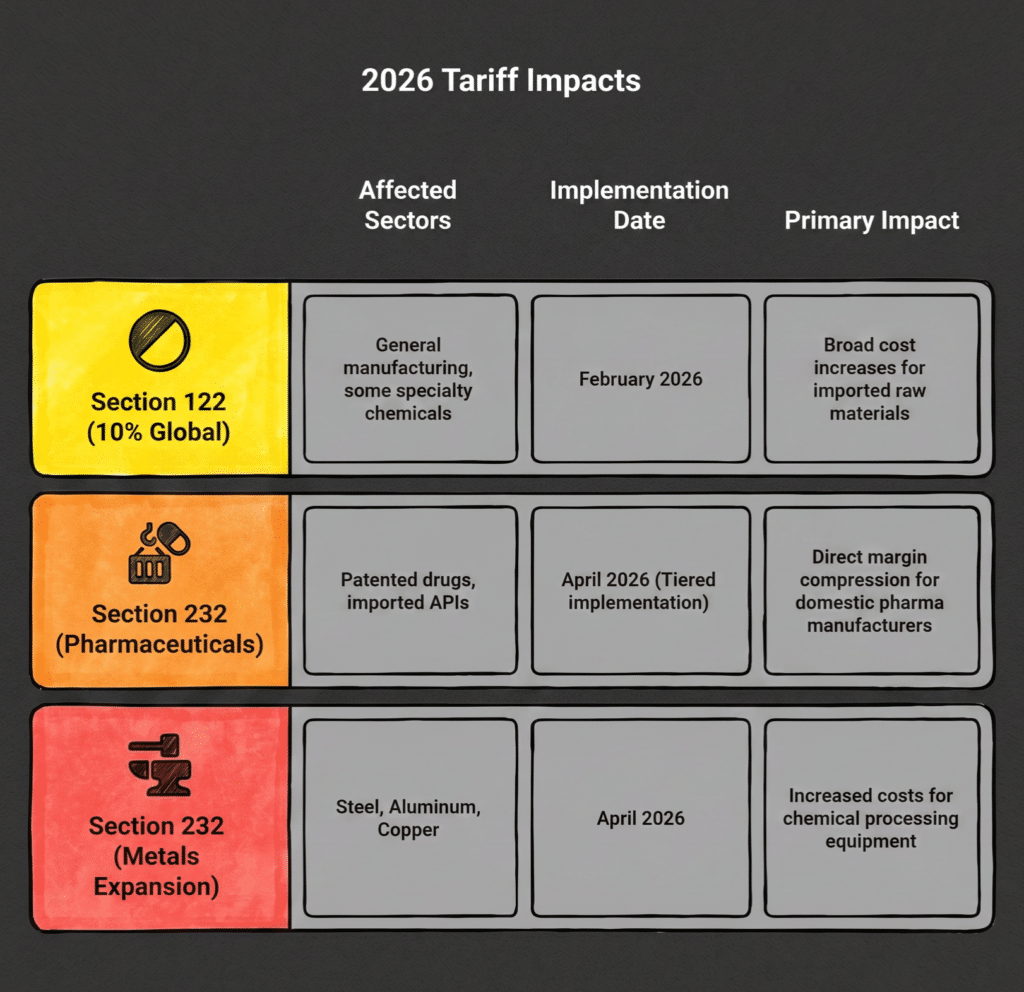
- Increasing Complexity and Fragmentation: Regulations like REACH in Europe, TSCA in the United States, and similar frameworks in Asia are constantly evolving. This patchwork of requirements creates significant operational friction for companies operating globally. A reactive approach leads to market access delays, supply chain disruptions, and unforeseen costs.
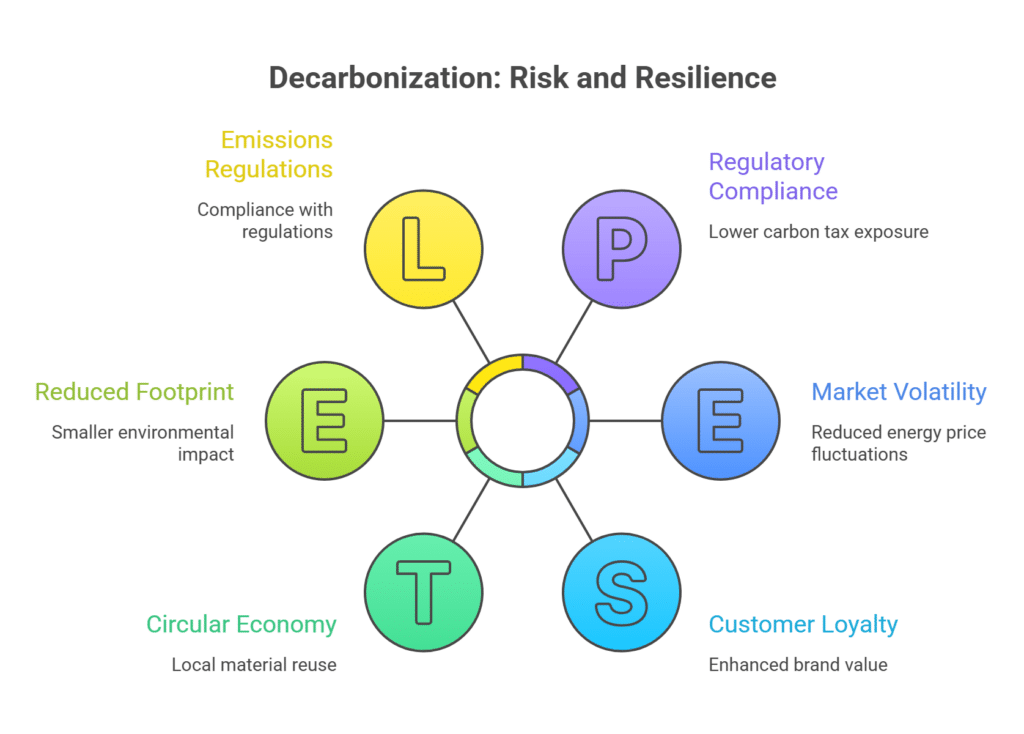
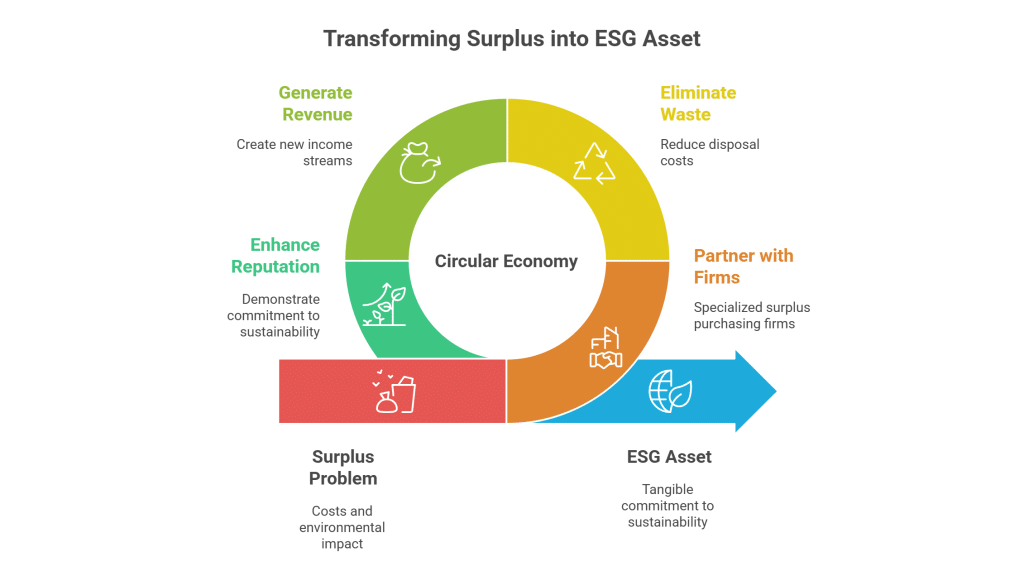
- The Rise of ESG and Stakeholder Scrutiny: Environmental, Social, and Governance (ESG) criteria are now a primary consideration for investors, customers, and partners. A strong compliance record is a tangible demonstration of good governance and a commitment to sustainability. According to a 2025 McKinsey report, companies with high ESG ratings consistently outperform their peers, demonstrating a clear link between sustainable practices and financial performance [1].
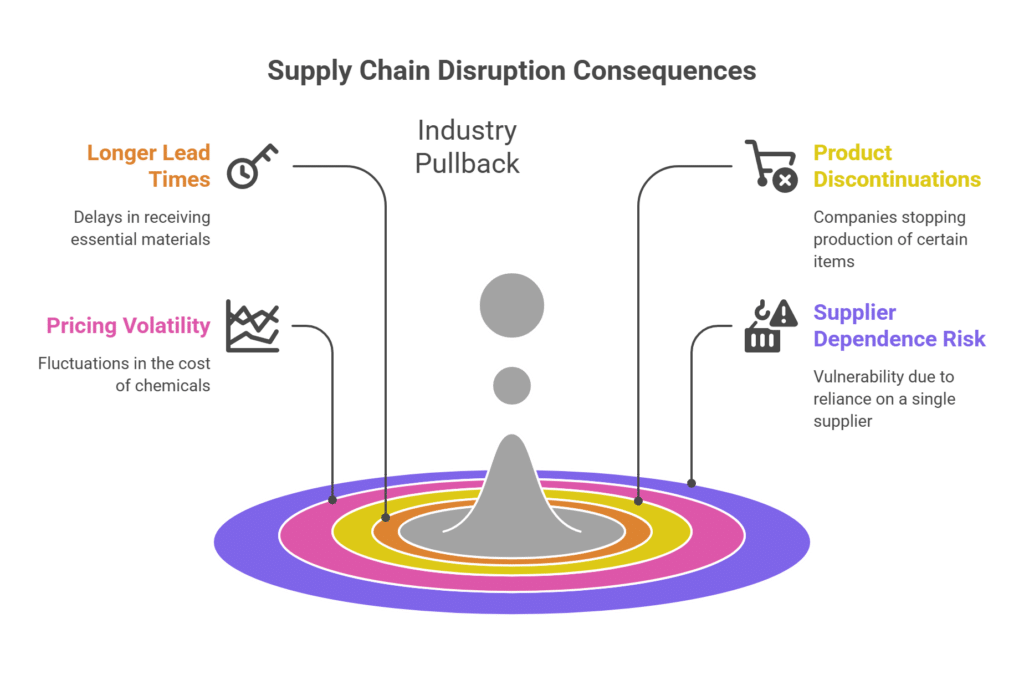
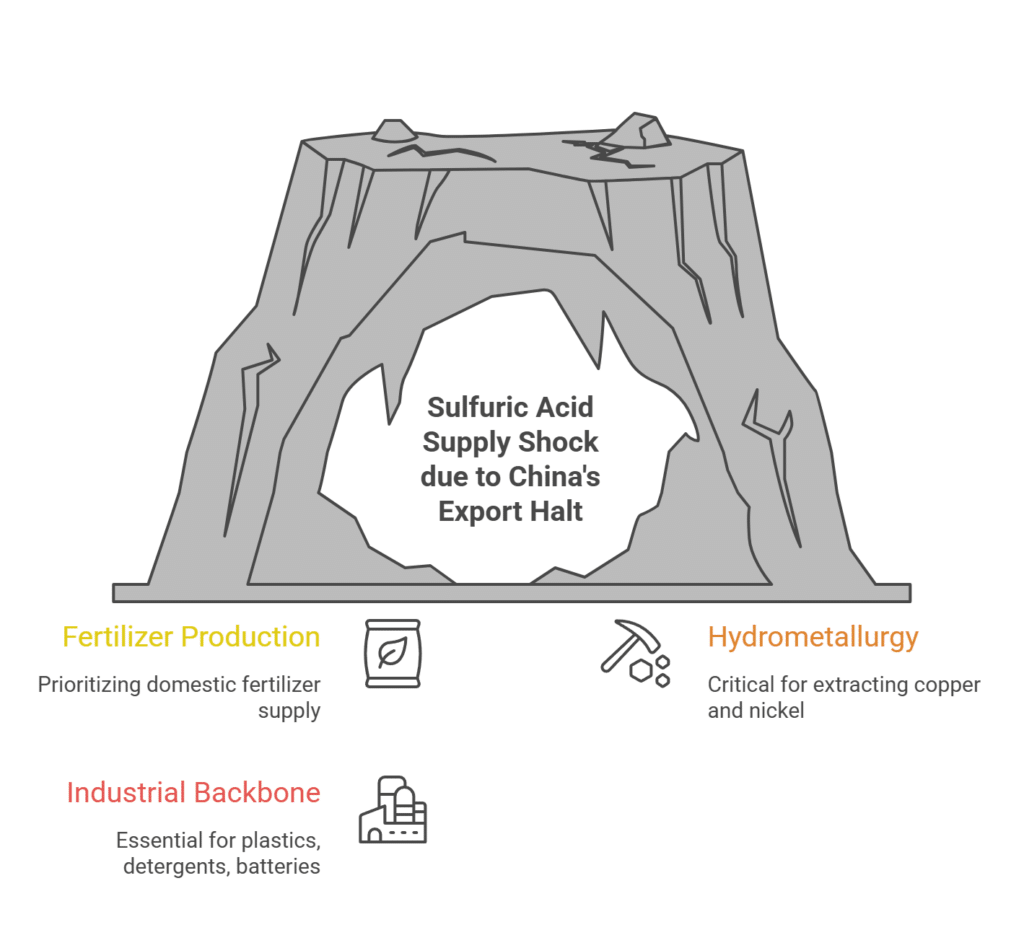
- Supply Chain Interdependence: A single compliance failure from one supplier can trigger a cascade of disruptions across an entire value chain. As we have seen with recent geopolitical events, a resilient supply chain is built on a foundation of trusted, compliant partners. Proactively managing your compliance ecosystem is a critical component of supply chain risk management.
From Burden to Benefit: The ROI of Proactive Compliance
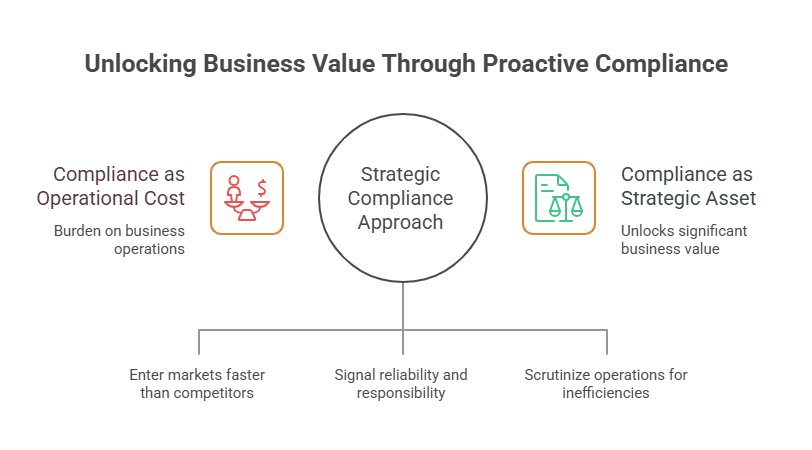
Viewing compliance as a strategic asset rather than an operational cost unlocks significant business value. Here’s how:
1. Accelerated Market Access
Companies that anticipate regulatory changes and prepare in advance can enter new markets faster than their competitors. While others are scrambling to gather data and file paperwork, proactive companies are already selling. This first-mover advantage can be substantial, allowing you to capture market share and establish brand leadership.
For example, a specialty chemical manufacturer that prepared for the latest REACH updates six months ahead of the deadline was able to launch a new product line in the EU a full quarter before its primary competitor, resulting in an estimated $5 million revenue advantage in the first year alone.
2. Enhanced Customer Trust and Brand Reputation
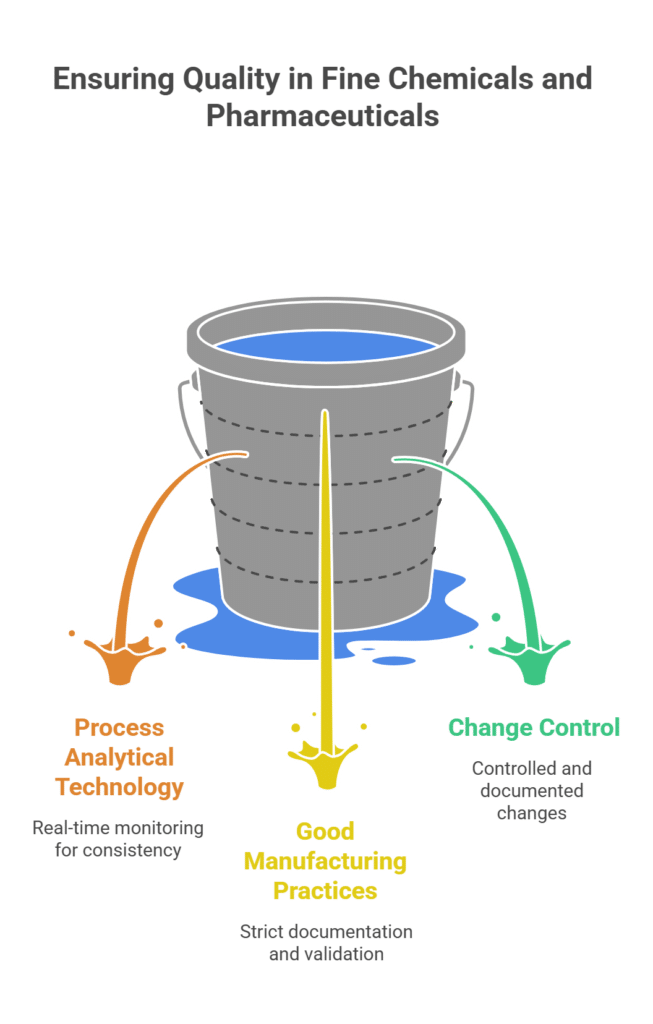
In a B2B environment, trust is paramount. A demonstrated commitment to compliance is a powerful signal to your customers that you are a reliable and responsible partner. This is particularly true in high-stakes industries like pharmaceuticals and fine chemicals, where quality and safety are non-negotiable.
A 2025 survey by Deloitte found that 88% of procurement officers in the chemical and pharmaceutical sectors consider a supplier’s compliance record a “critical” or “very important” factor in their purchasing decisions, with many indicating a willingness to pay a premium for the assurance of a secure and compliant supply chain [4].
3. Operational Excellence and Efficiency
The process of ensuring compliance often forces a company to scrutinize its own operations in detail. This can reveal inefficiencies, waste, and opportunities for process optimization that would have otherwise gone unnoticed. The data collection required for regulatory submissions can be repurposed for internal analytics, leading to better decision-making and improved resource allocation.
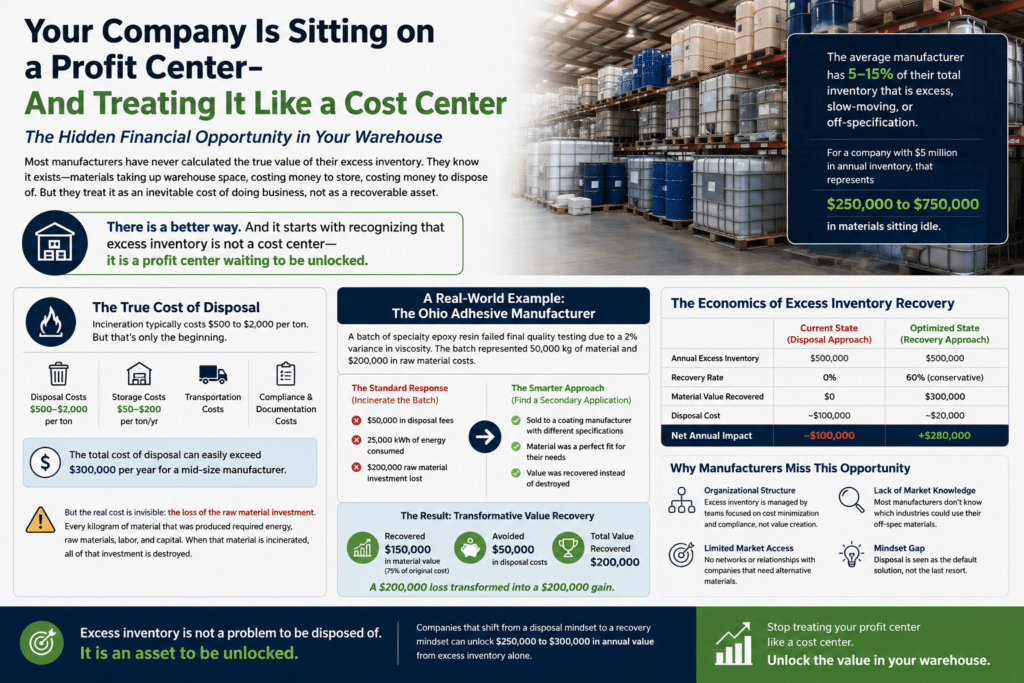
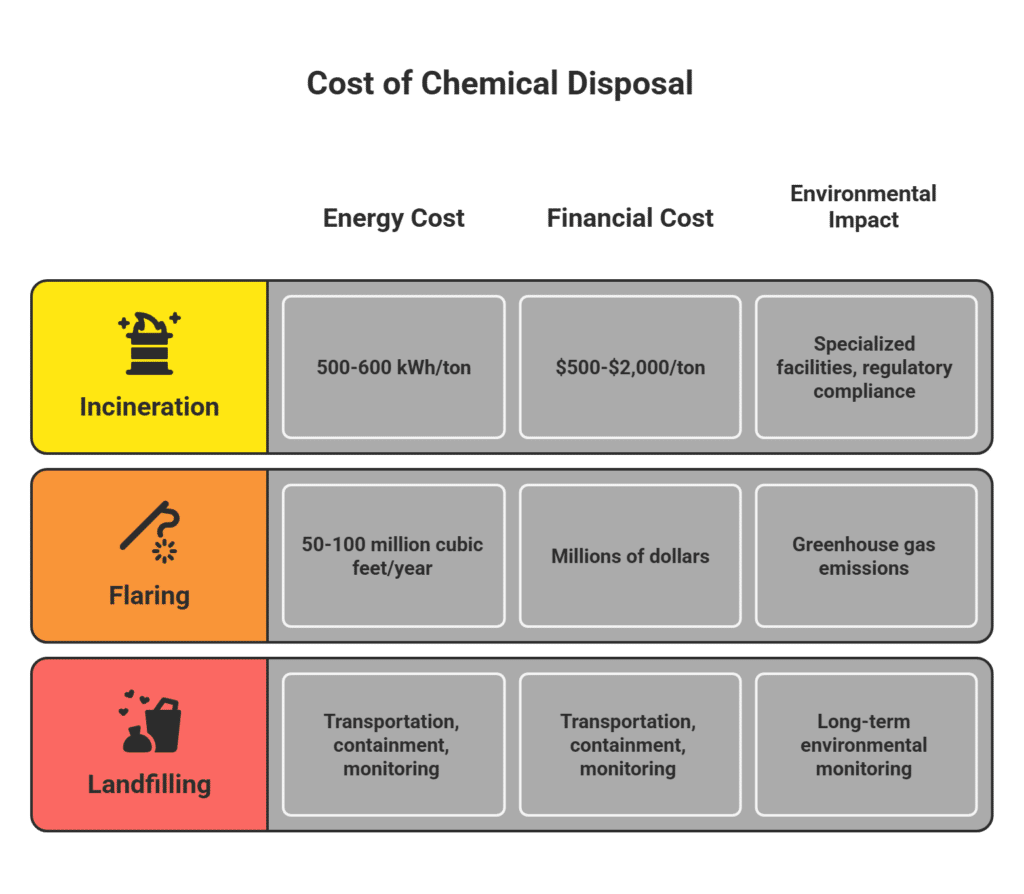
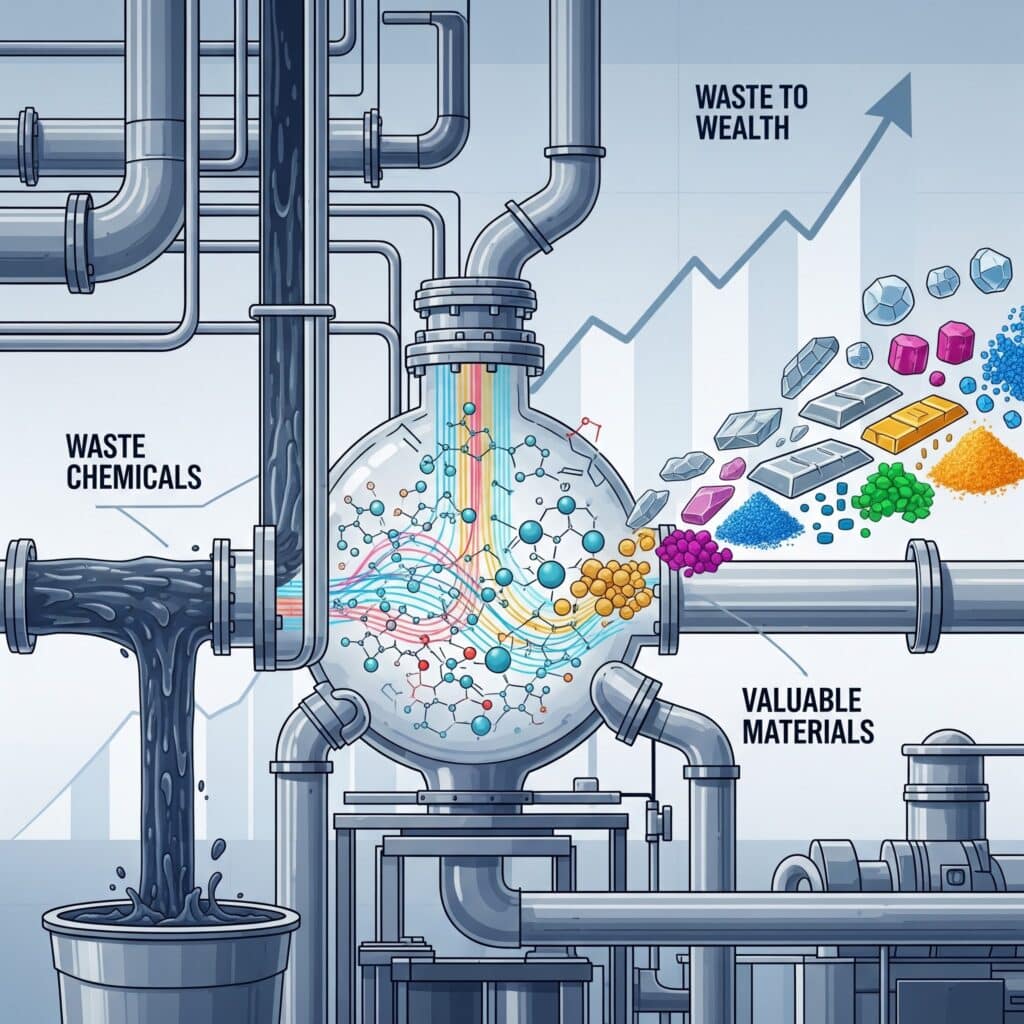
By treating compliance as an integrated part of your business, you can create a culture of continuous improvement that drives both safety and profitability. This is where a partner with deep expertise in chemical reuse and recycling can provide immense value, helping you identify opportunities to turn waste streams into revenue streams while ensuring full regulatory compliance.
A Framework for Proactive Compliance
Transitioning from a reactive to a proactive compliance model requires a structured approach:
- Invest in Regulatory Intelligence: Subscribe to services, attend webinars, and engage with experts who can provide early warnings of upcoming regulatory changes.
- Conduct a Compliance Gap Analysis: Regularly assess your current processes, products, and suppliers against both current and future regulatory requirements.
- Integrate Compliance into Your Business Strategy: Make compliance a key consideration in product development, market expansion, and supplier selection.
- Leverage Technology: Use software and data analytics to automate compliance tasks, track regulatory changes, and manage documentation.
- Build a Network of Compliant Partners: Work with suppliers and service providers who share your commitment to proactive compliance.
Conclusion: The Path Forward
[4] Deloitte. (2025). “The Future of Procurement: A 2025 Perspective.” https://www2.deloitte.com/us/en/pages/operations/articles/future-of-procurement.html
The regulatory landscape will only become more complex. Companies that continue to treat compliance as a reactive, box-ticking exercise will be left behind. Those that embrace it as a strategic imperative will build more resilient, profitable, and sustainable businesses.
As you prepare for the discussions at Chemspec Europe, consider this: is your compliance program a cost center or a value driver? The answer to that question will define your success in 2026 and beyond.
References
[1] Sustainability: Sources of Value Creation
[2] European Chemicals Agency (ECHA). “Understanding REACH.” https://echa.europa.eu/regulations/reach/understanding-reach
[3] U.S. Environmental Protection Agency (EPA). “Summary of the Toxic Substances Control Act.” https://www.epa.gov/laws-regulations/summary-toxic-substances-control-act ”’