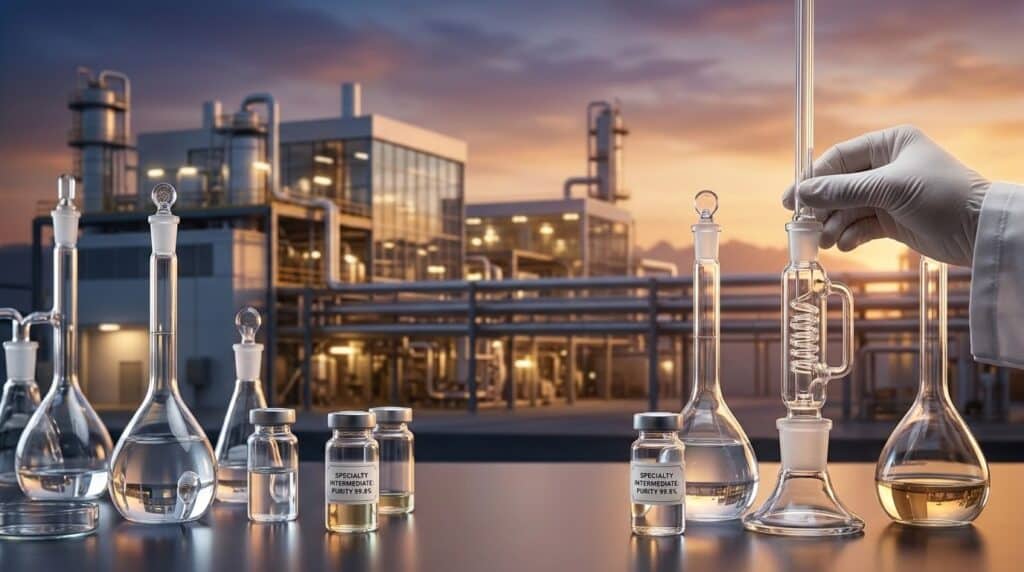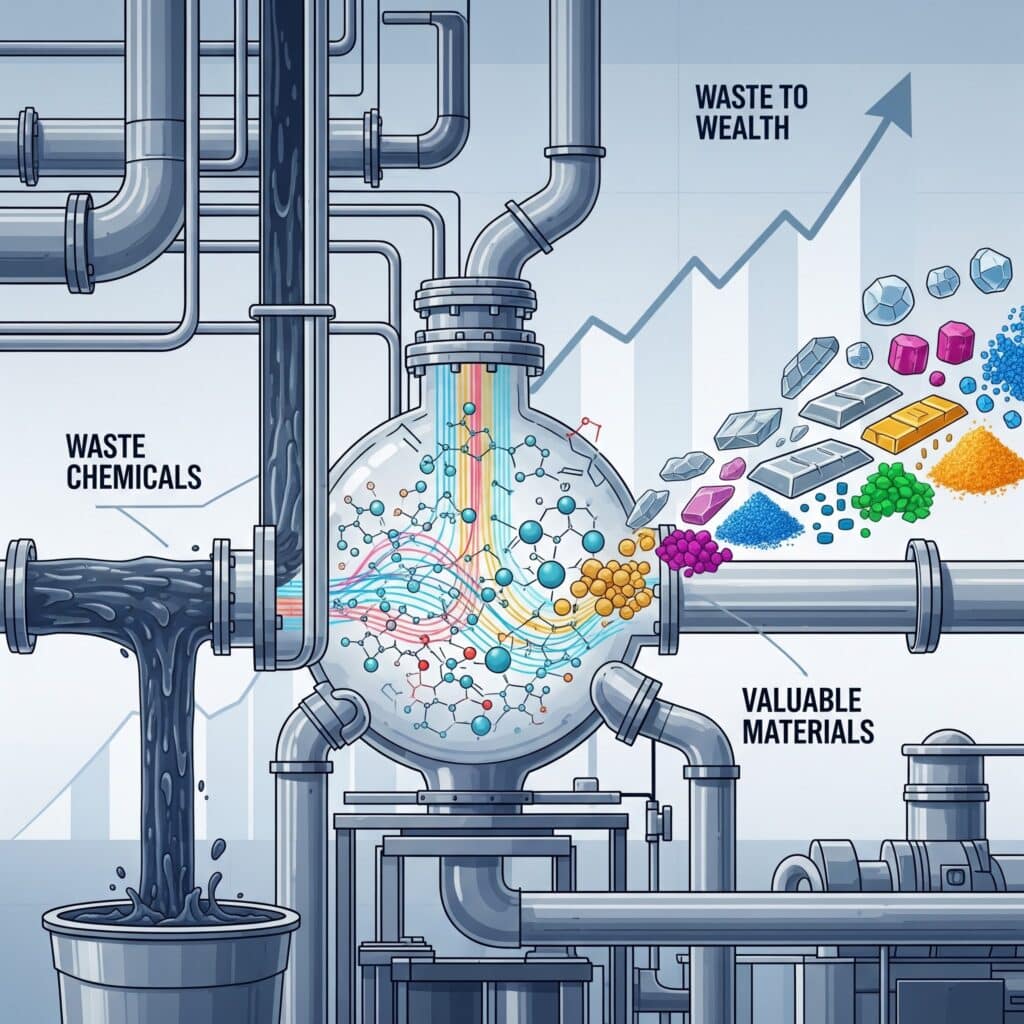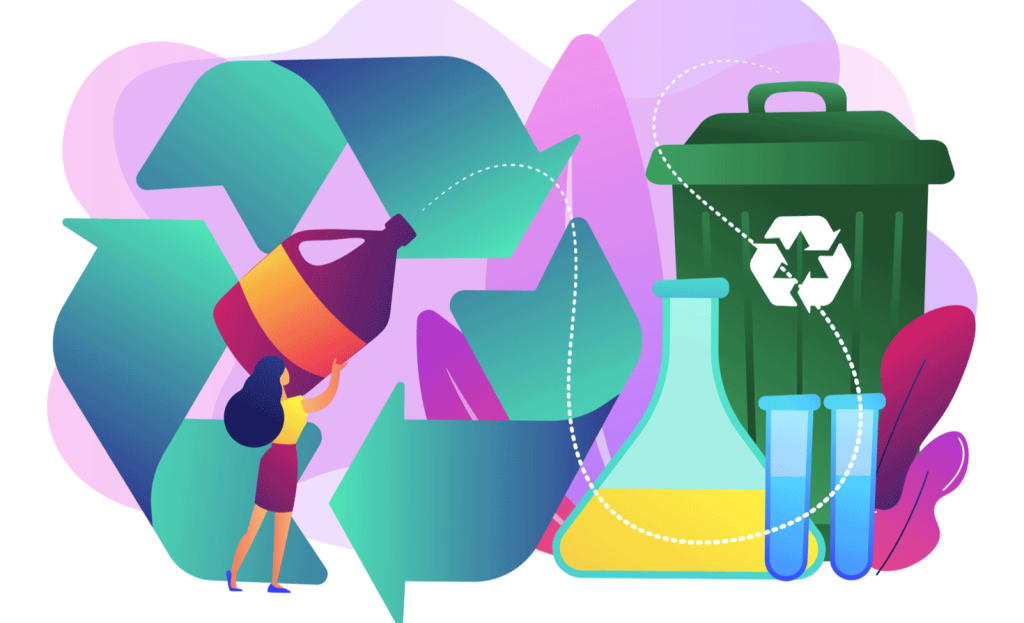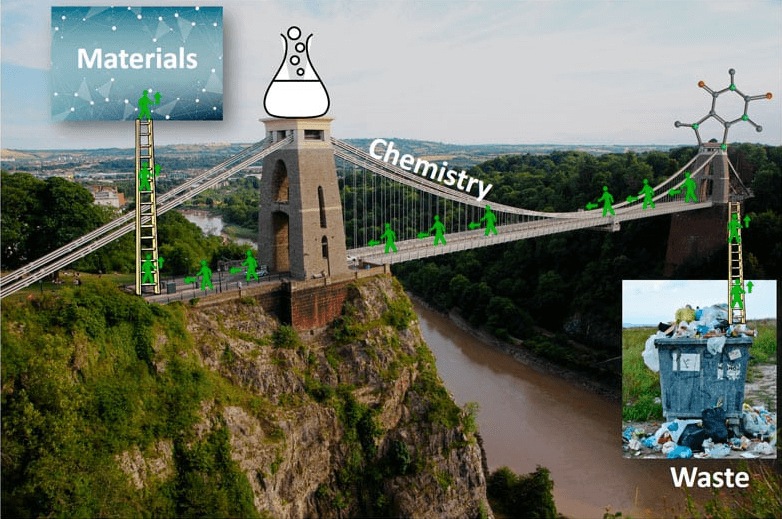

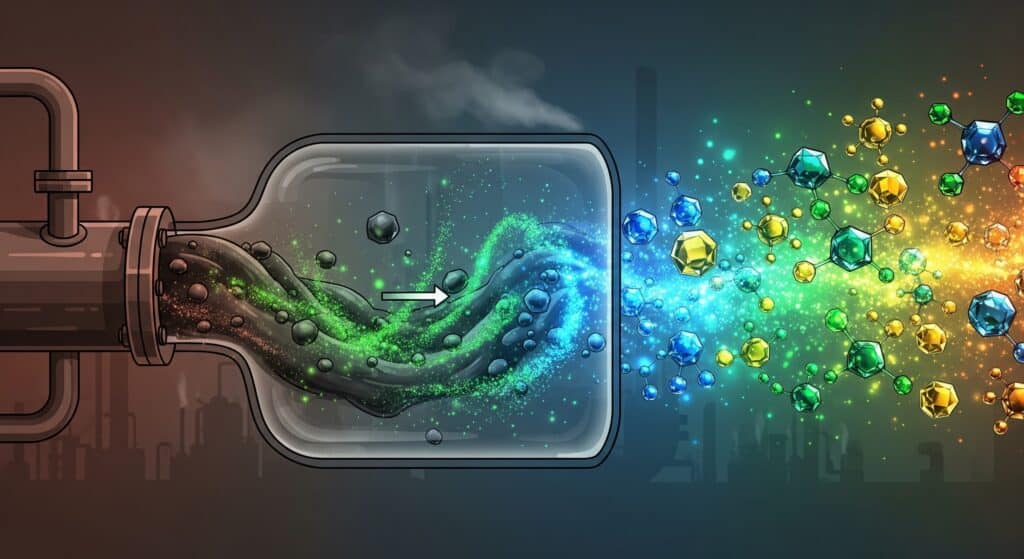
A compelling example of this transformation is the story of levulinic acid. Once a niche chemical, it is now being produced from waste cellulose- the sludge from paper mills and agricultural residues- at a fraction of its former cost. Biofine, a pioneering company in this space, developed a process that slashed the price from over $4 per pound to as little as $0.32 per pound [1]. This cost reduction unlocked a wave of innovation, turning a waste byproduct into a valuable building block for pharmaceuticals, food additives, and advanced plastics. This is the power of chemical transformation, and it represents a trillion-dollar opportunity for industries ready to embrace it.
The Scale of the Problem: A River of Untapped Value
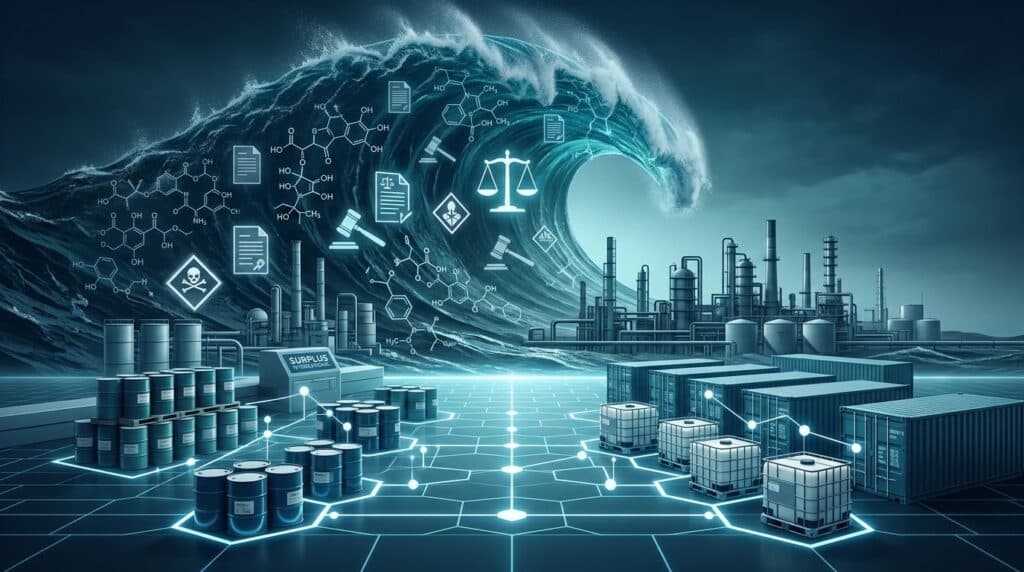
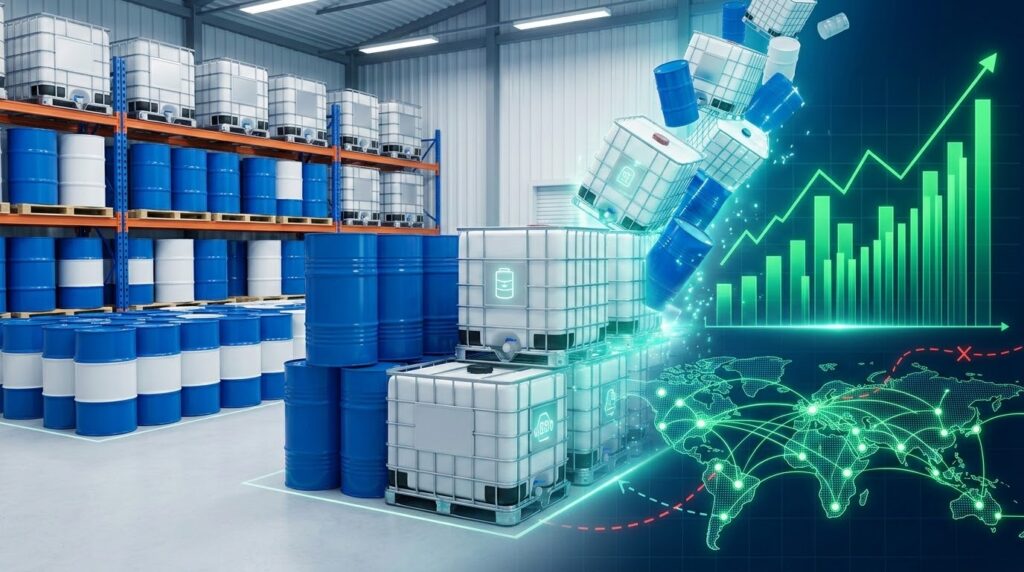
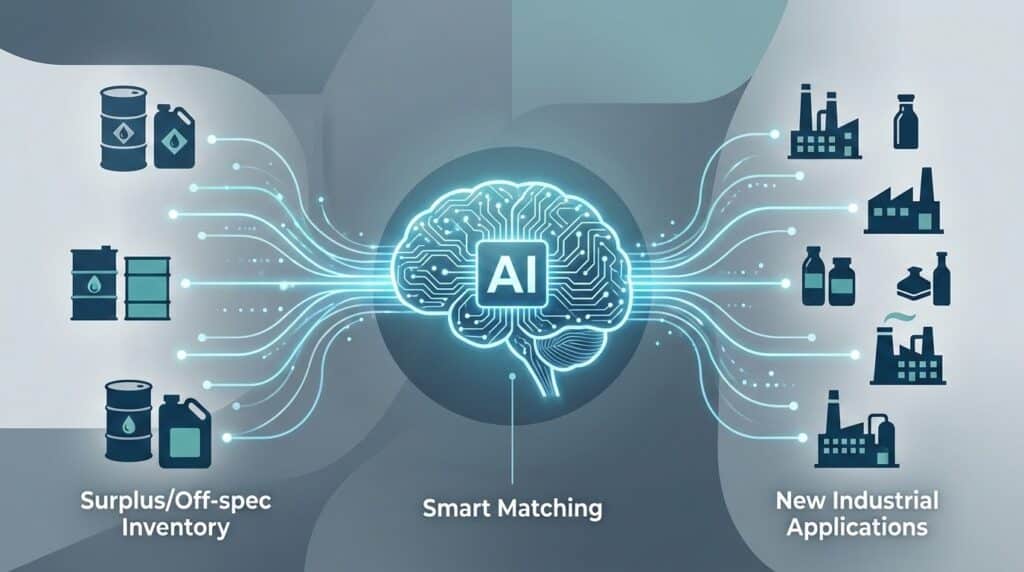
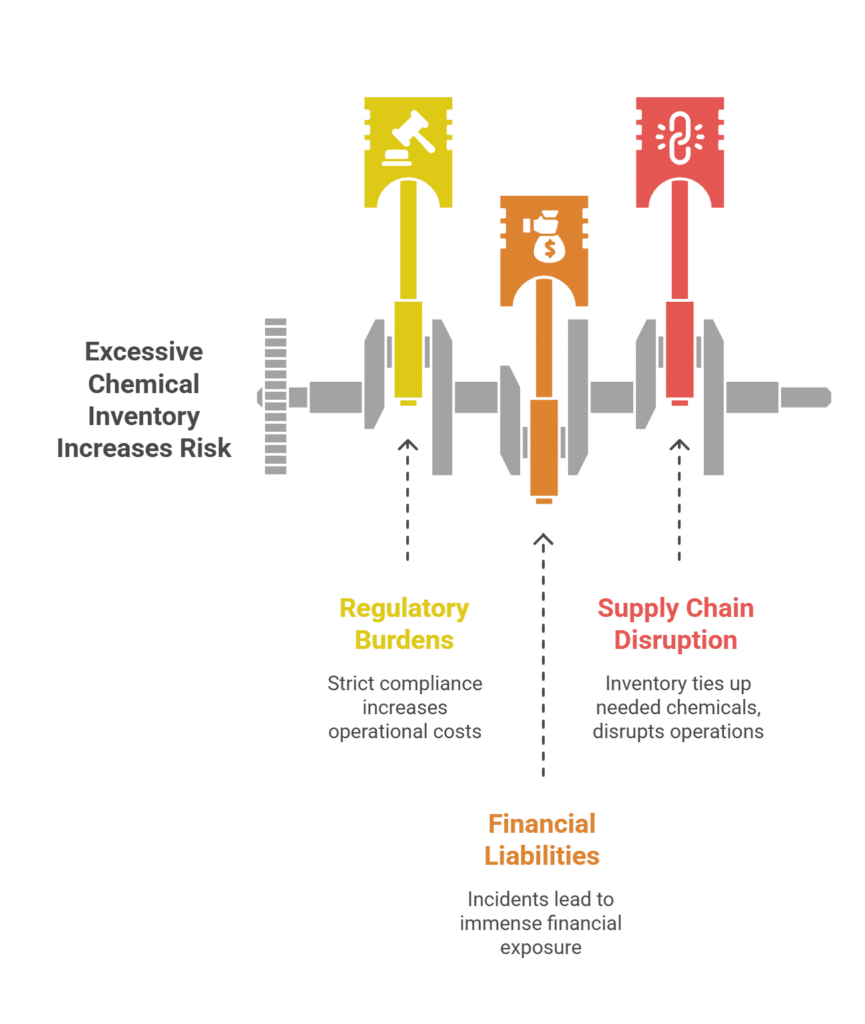
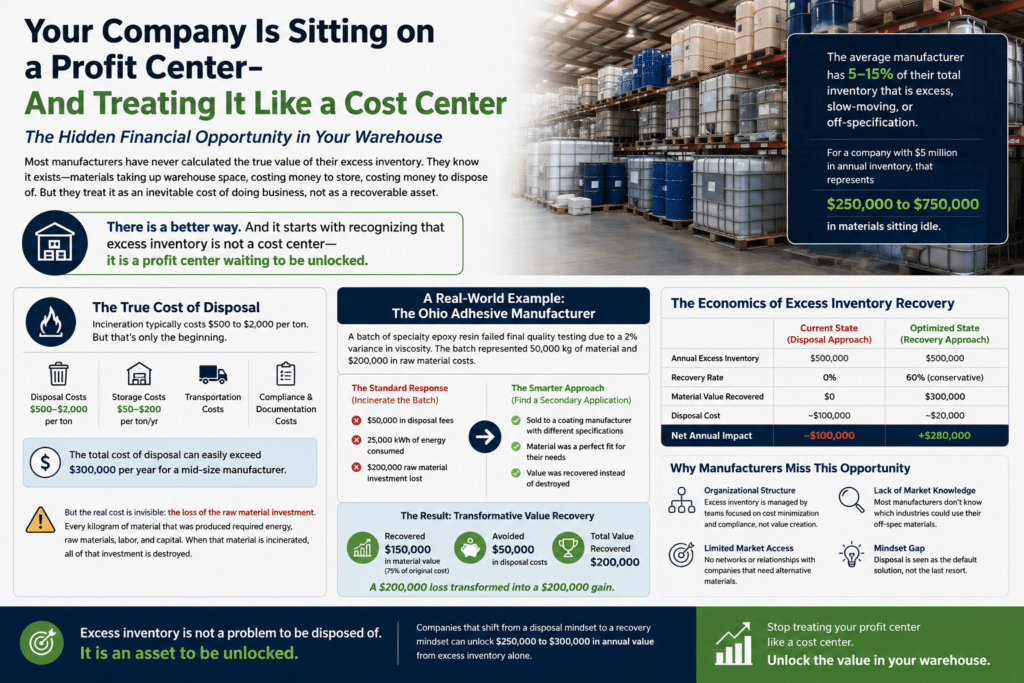
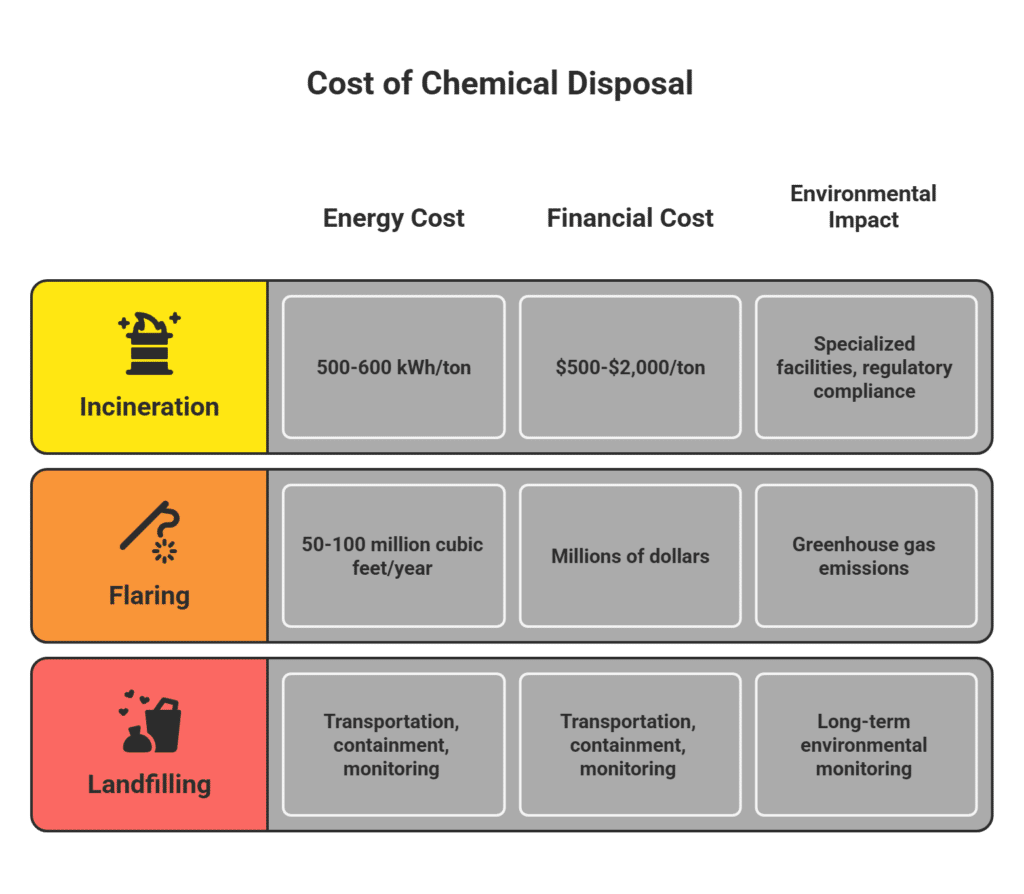
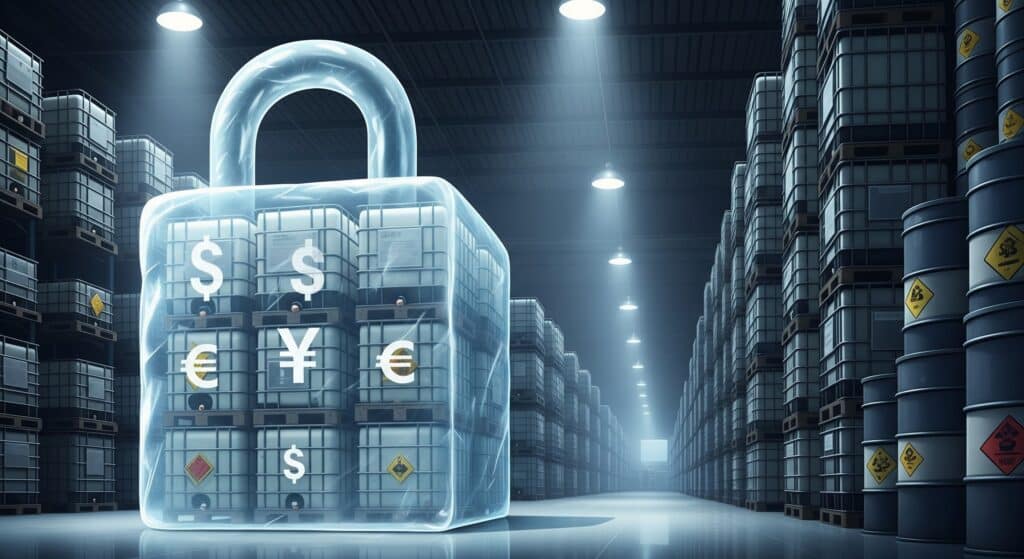
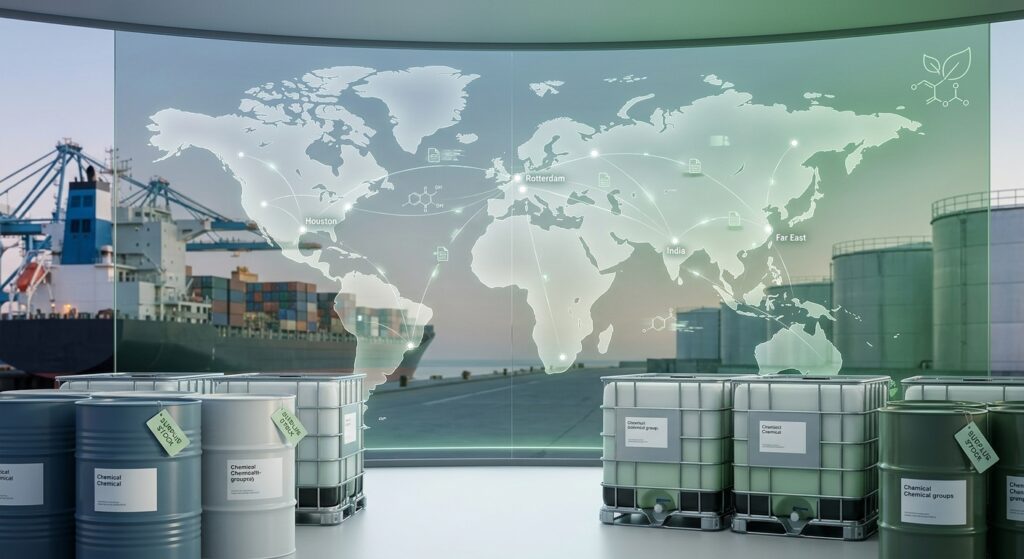
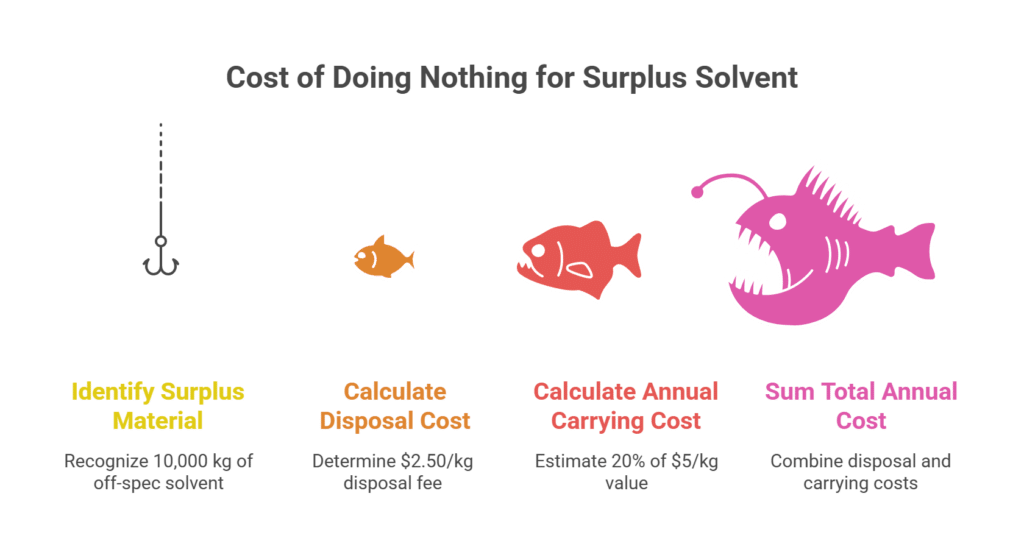
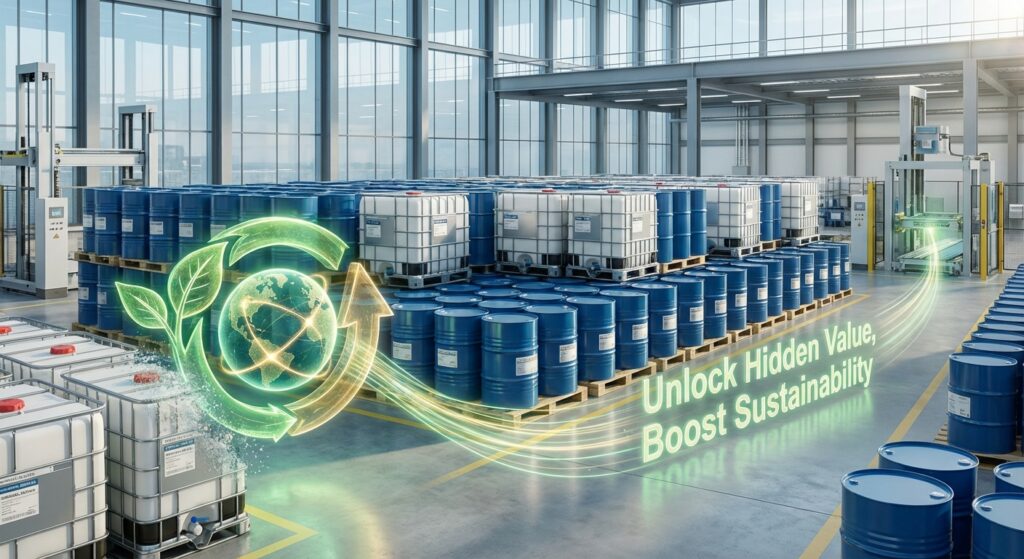
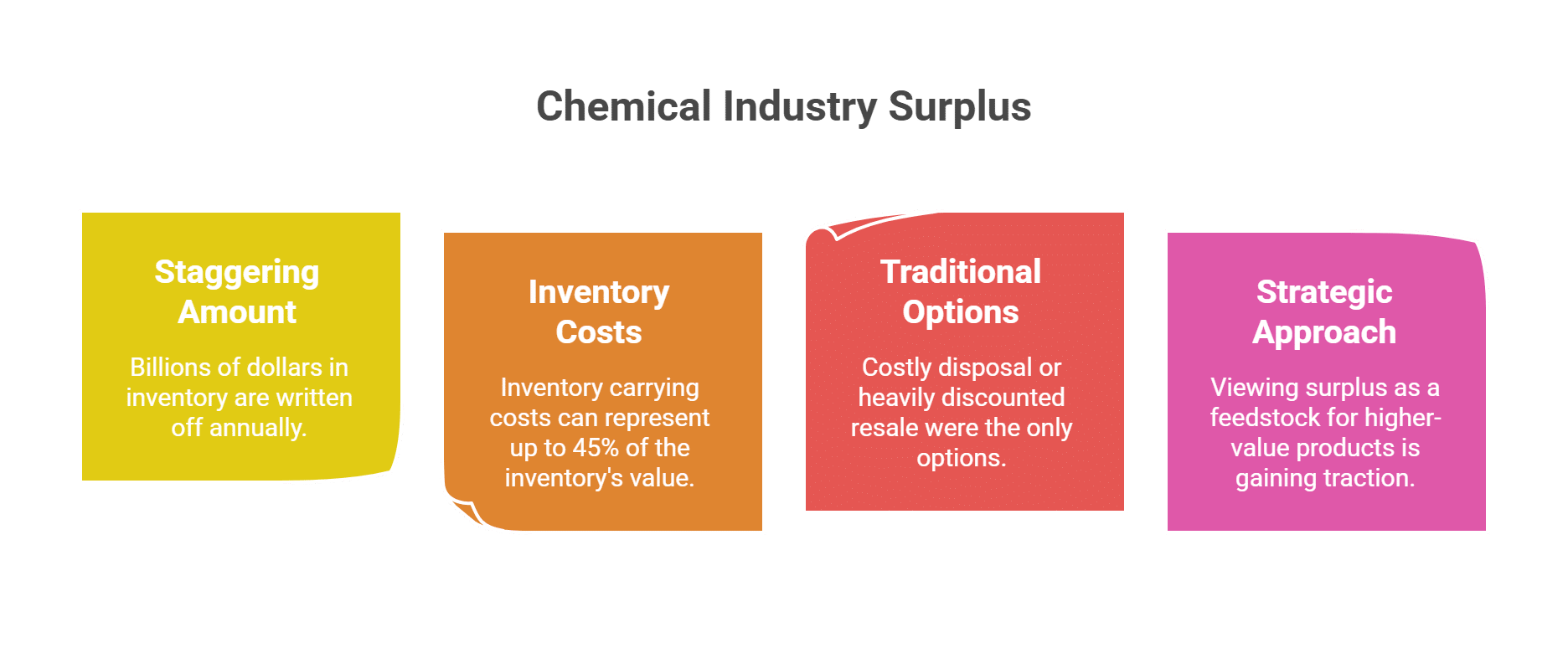
The amount of surplus and off-spec material generated by the chemical and pharmaceutical sectors is staggering. Every year, companies write off billions of dollars in inventory due to formulation changes, discontinued product lines, or minor deviations from stringent specifications. A recent analysis suggests that inventory carrying costs alone can represent up to 45% of the inventory’s value annually, a significant drain on working capital [2]. Traditionally, the only options were costly disposal or heavily discounted resale. However, a more strategic approach is gaining traction, one that views this surplus not as a liability, but as a feedstock for creating higher-value products.
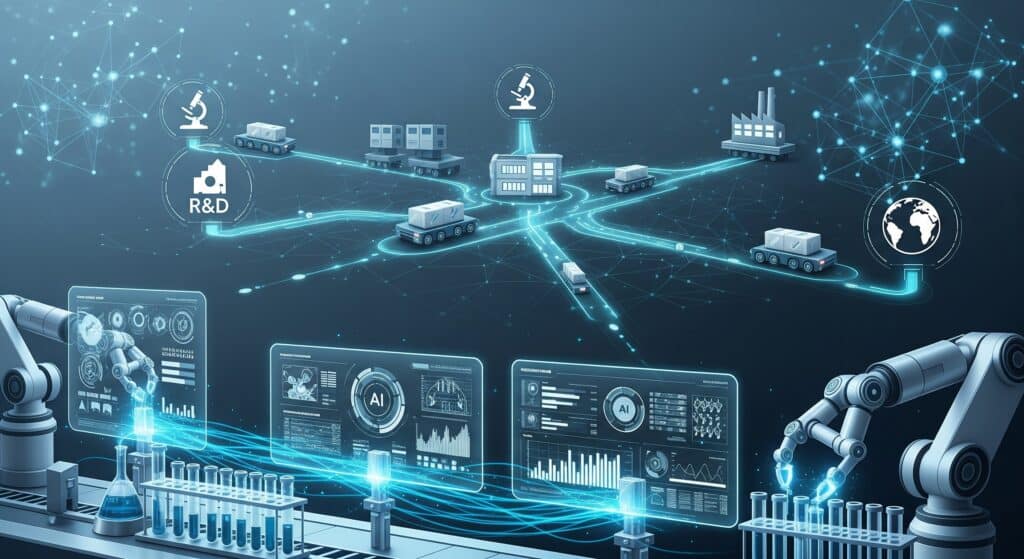
This shift in perspective is critical. As companies increasingly adopt advanced technologies, the AI revolution in pharmaceutical manufacturing is set to further optimize processes, which can paradoxically lead to new and different kinds of surplus streams. The question is no longer just how to dispose of this material, but how to valorize it.
What are Surplus Chemical Derivatives?
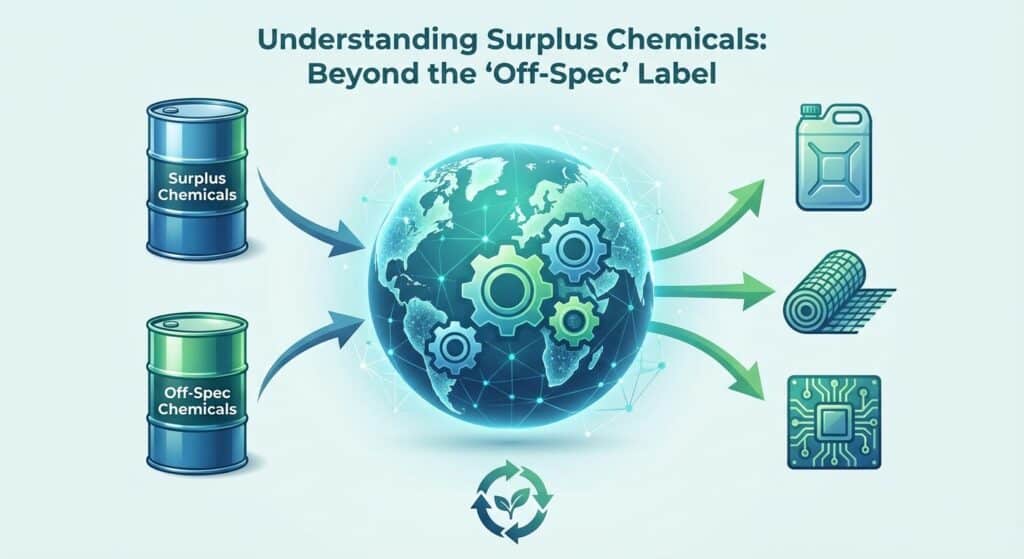
At its core, the concept is simple: Surplus Chemical Derivatives are value-added chemical products created by transforming surplus, off-spec, or waste chemicals into new, higher-value substances. Instead of merely reselling a surplus chemical “as-is,” this approach involves a deliberate chemical or physical transformation. This could be as simple as a purification step or as complex as using the surplus material as a reactant in a synthesis to create an entirely new molecule.
The key distinction lies in the intentional creation of value. It’s the difference between selling leftover bricks at a discount and using those bricks to build a sought-after architectural feature. One is simple liquidation; the other is strategic value creation.
Precedents for Success: Learning from Other Industries
The idea of upcycling is not new. The manufacturing world is replete with examples of industries that have successfully turned byproducts into profit centers.
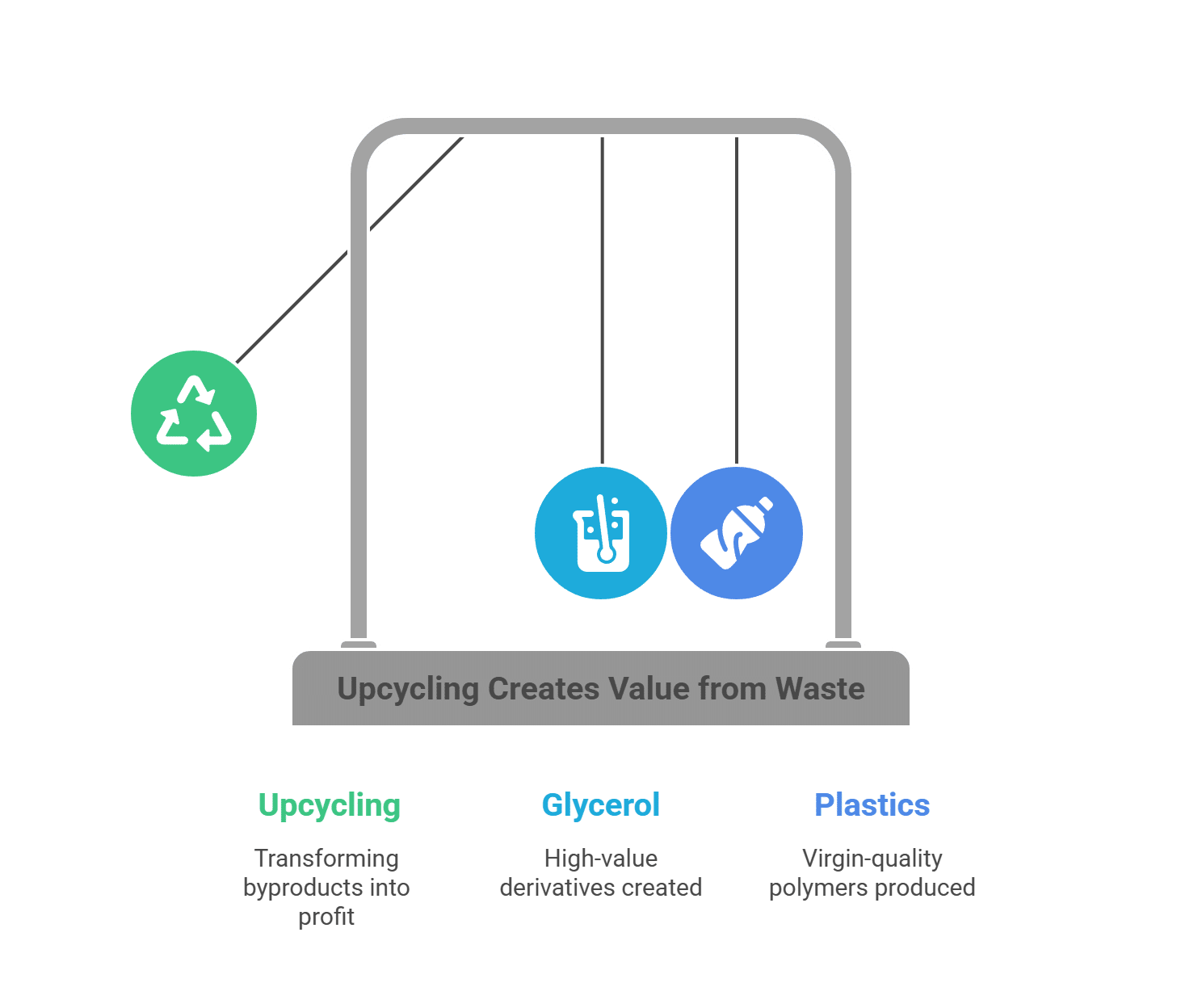
- The Rise of Glycerol: For decades, glycerol was a low-value byproduct of soap and biodiesel production. Today, through chemical transformation, it is converted into high-value derivatives like propylene glycol (used in antifreeze and cosmetics) and epichlorohydrin (a key component in epoxy resins), creating a multi-billion dollar market from a former waste stream [3].
- Upcycling Plastics: Facing a global plastic waste crisis, innovators are now developing methods to chemically deconstruct mixed plastic waste back into its constituent monomers. These monomers can then be used to create virgin-quality polymers, effectively closing the loop and turning a global environmental problem into a valuable resource [4].
These examples prove that with the right technology and market vision, industrial byproducts can become the foundation for new, profitable value chains. The pharmaceutical and fine chemical industries, with their high-purity and well-characterized surplus materials, are perfectly positioned to be the next frontier for this revolution.
The Trillion-Dollar Prize
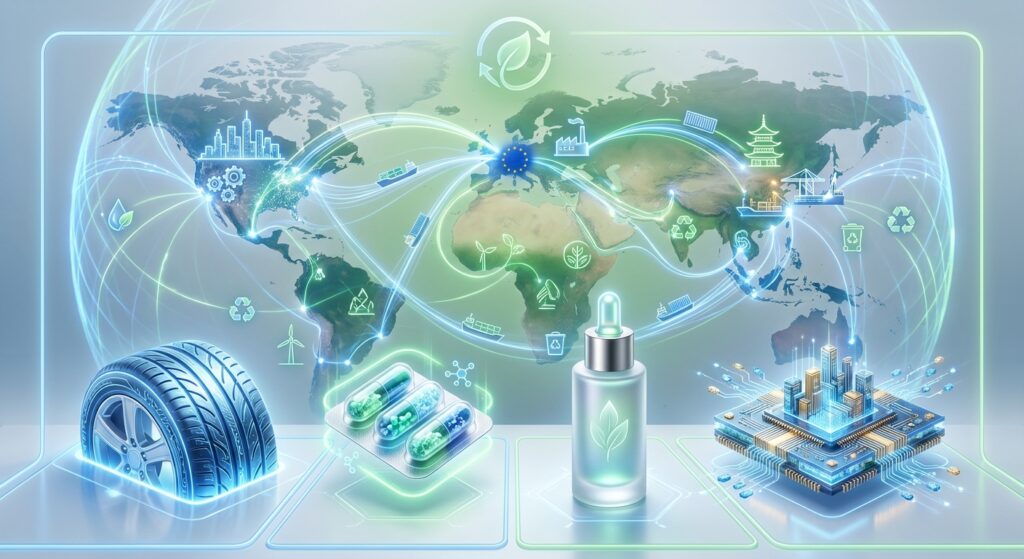
The broader “waste-to-chemicals” market is not a niche segment; it is a cornerstone of the future global economy. Market analysts project the global waste-to-energy market, a related sector, to reach over $50 billion by 2027, driven by the urgent need for sustainable solutions [5]. The opportunity for chemical transformation is even greater, as it creates higher-value products than energy alone.
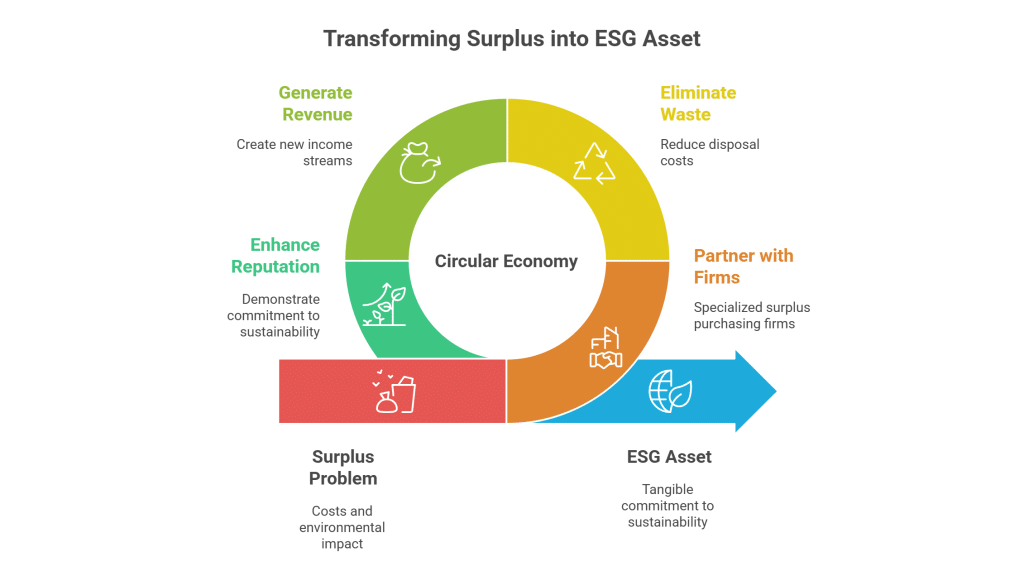
For pharmaceutical and chemical companies, the implications are profound. Embracing a surplus derivatives strategy allows a company to not only eliminate disposal costs but also to create new, high-margin revenue streams. It transforms a cost center into a profit center and, in doing so, turns a sustainability initiative into a powerful driver of financial performance, turning companies into true ESG champions.
A Call to Action for Industry Leaders
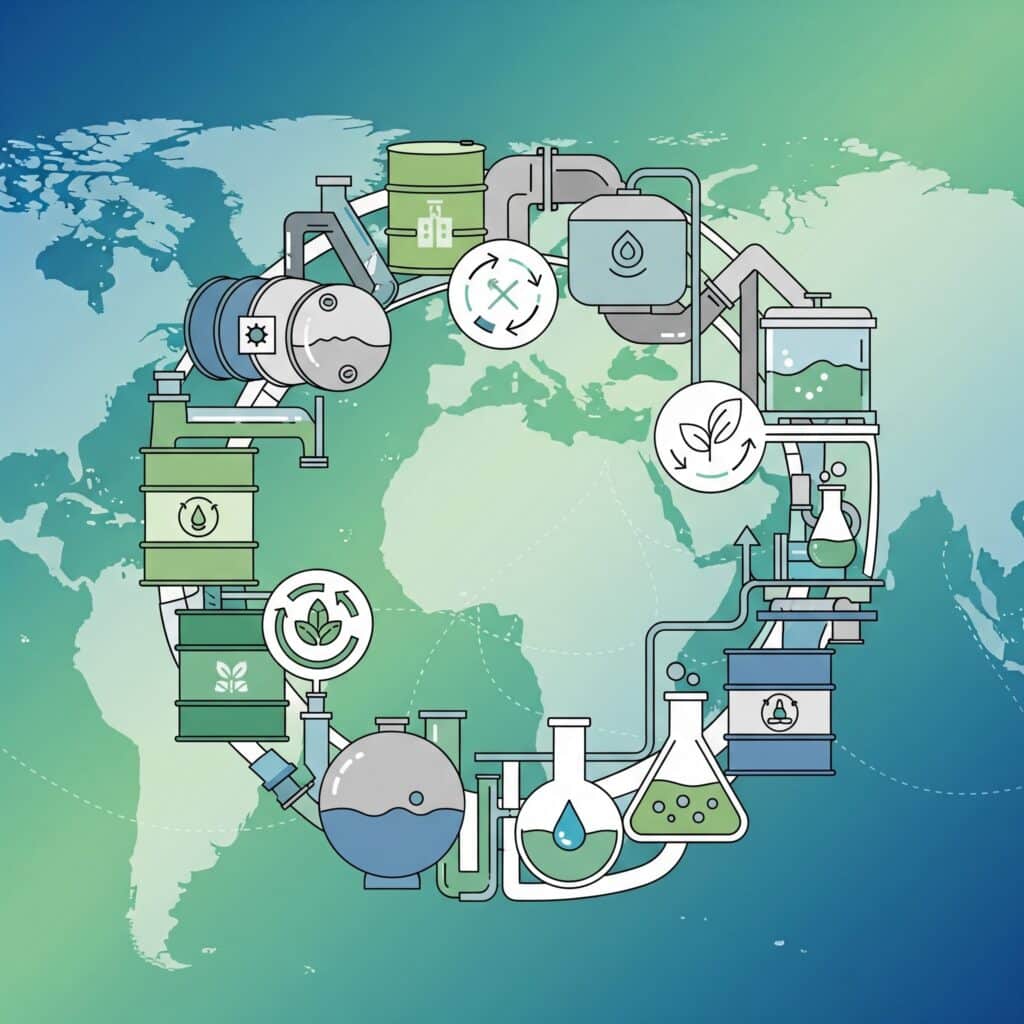
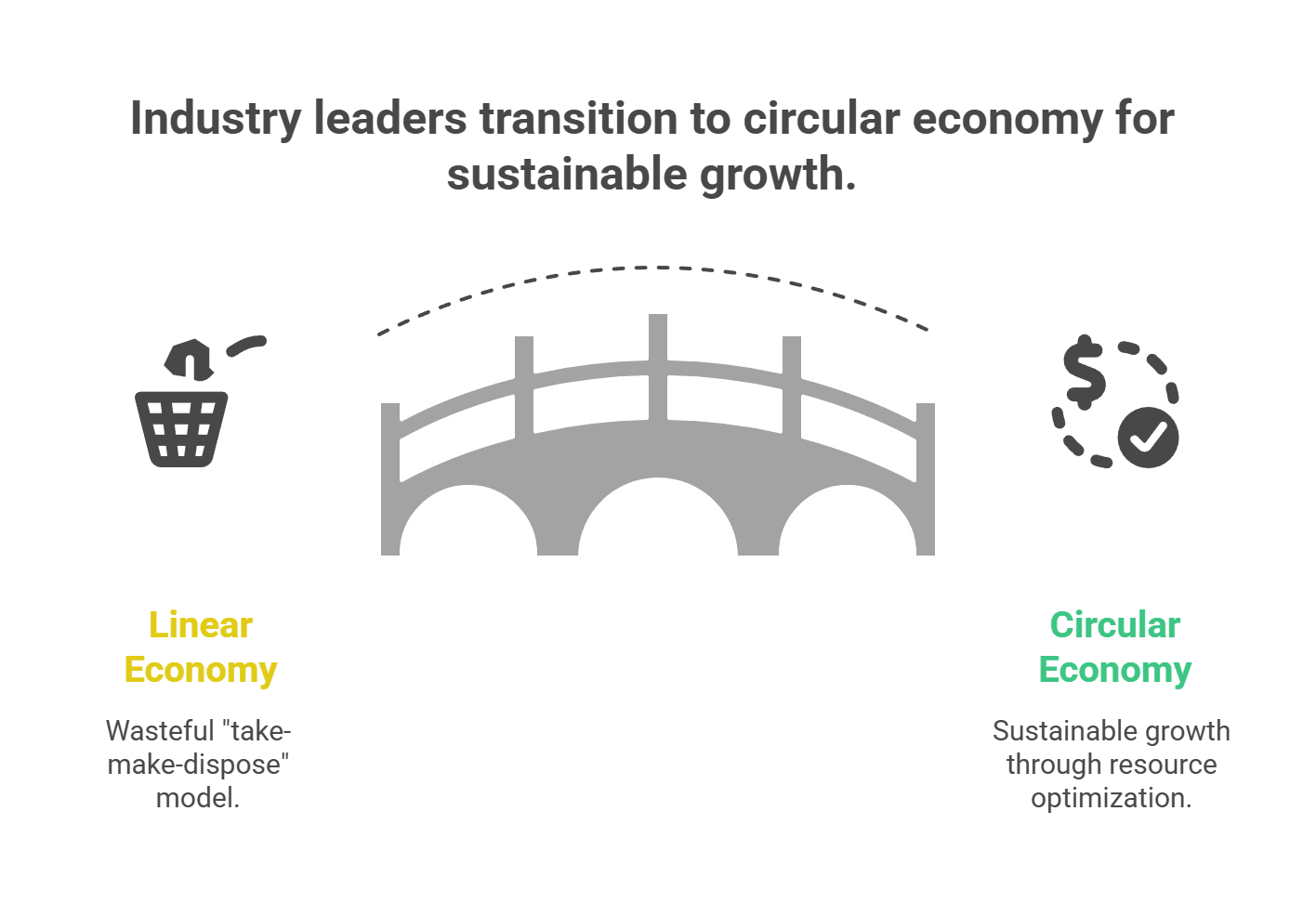
The transition from a linear “take-make-dispose” model to a circular “waste-to-wealth” model is no longer a matter of if, but when. The technology is advancing, the market demand for sustainable products is growing, and the financial incentives are becoming undeniable. The leaders of the pharmaceutical and chemical industries must now ask themselves a critical question: Are we prepared to lead this transformation, or will we be left behind?
The first step is a change in mindset. It requires viewing every kilogram of surplus material not as a problem to be managed, but as an opportunity to be seized. It requires a commitment to innovation and a willingness to forge new partnerships with specialists who can unlock the hidden value within your waste streams.
References
[1] “Presidential Green Chemistry Challenge: 1999 Greener Synthetic Pathways Award,” U.S. Environmental Protection Agency (EPA), https://www.epa.gov/greenchemistry/presidential-green-chemistry-challenge-1999-greener-synthetic-pathways-award
[2] “Inventory Carrying Costs: Everything You Need to Know,” NetSuite, https://www.netsuite.com/portal/resource/articles/inventory-management/inventory-carrying-costs.shtml
[3] “Glycerol: An overview of the past, present and future,” ScienceDirect, https://www.sciencedirect.com/topics/chemistry/glycerol
[4] “Chemical recycling: beyond the hype,” Nature Reviews Materials, https://www.nature.com/articles/s41578-022-00448-4
[5] “Waste to Energy Market Size, Share & Trends Analysis Report,” Grand View Research, https://www.grandviewresearch.com/industry-analysis/waste-to-energy-wte-market