
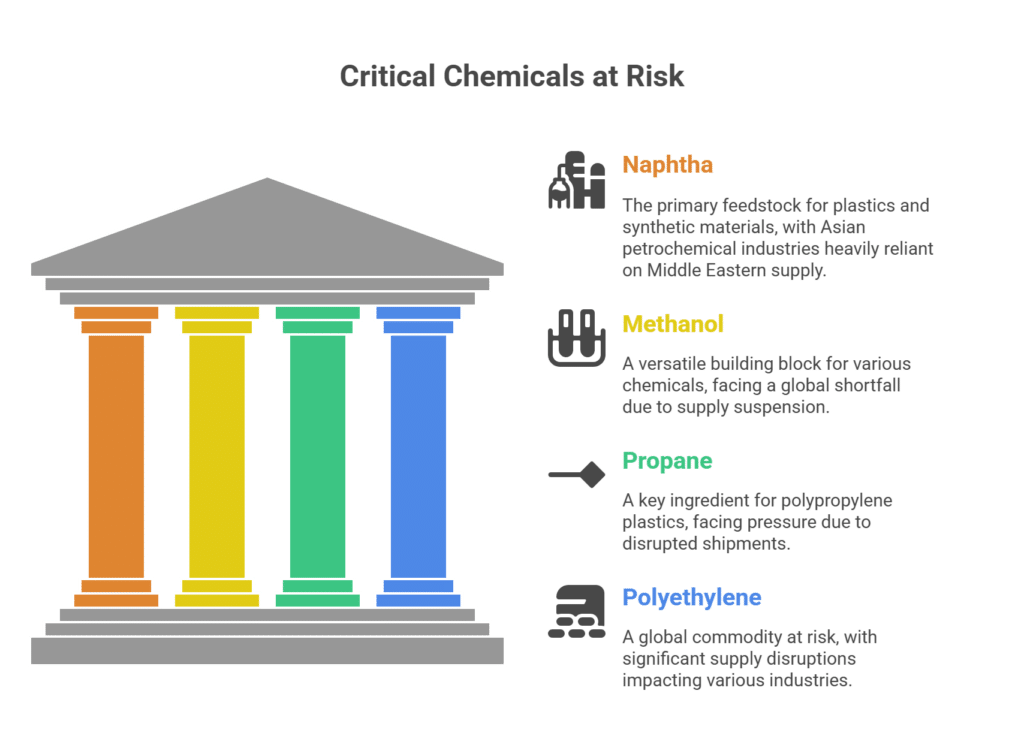
The Four Critical Chemicals at Risk
The closure of the Strait has created immediate and severe disruptions for several key chemical supply chains. Understanding which materials are most affected is the first step to mitigating the impact.
1. Naphtha: The Petrochemical Workhorse
Naphtha is the primary feedstock for a vast array of plastics and other synthetic materials. The Asian petrochemical industry is particularly vulnerable, relying on the Middle East for 70-80% of its naphtha supply, the majority of which transits the Strait of Hormuz [2]. The consequences have been swift and severe:
- Force Majeure Declarations: Major producers including Singapore’s PCS, Indonesia’s Chandra Asri, and South Korea’s Yeochun NCC have all declared force majeure, releasing them from their contractual obligations to supply customers [3].
- Production Cuts: With feedstock supplies cut off, many Asian crackers have been forced to reduce operating rates or shut down entirely, creating a ripple effect across the global supply chain.
2. Methanol: A Versatile Building Block
Methanol is a fundamental building block for a wide range of chemicals, from formaldehyde to acetic acid. The suspension of supplies from Ar-Razi Saudi Methanol, one of the world’s largest producers with over 4 million metric tons of annual capacity, has created a significant global shortfall [2]. China, which relies heavily on Iranian methanol for its methanol-to-olefins (MTO) plants, is facing a particularly acute shortage.
3. Propane: Fueling the Plastics Industry
The disruption of propane shipments from the Middle East is putting immense pressure on propane dehydrogenation (PDH) units, which convert propane into propylene, a key ingredient for polypropylene plastics. This will not only impact the availability of a wide range of consumer and industrial goods but also create significant feedstock challenges for the plastics industry.
4. Polyethylene (PE): A Global Commodity at Risk
The crisis threatens to remove 1.125 million tons of polyethylene supply destined for China from the market, creating a massive void that will be difficult to fill through traditional channels [4]. This will have a significant impact on the global PE market, affecting everything from packaging to construction materials.
The Surplus Solution: Actionable Alternatives for a Disrupted Market
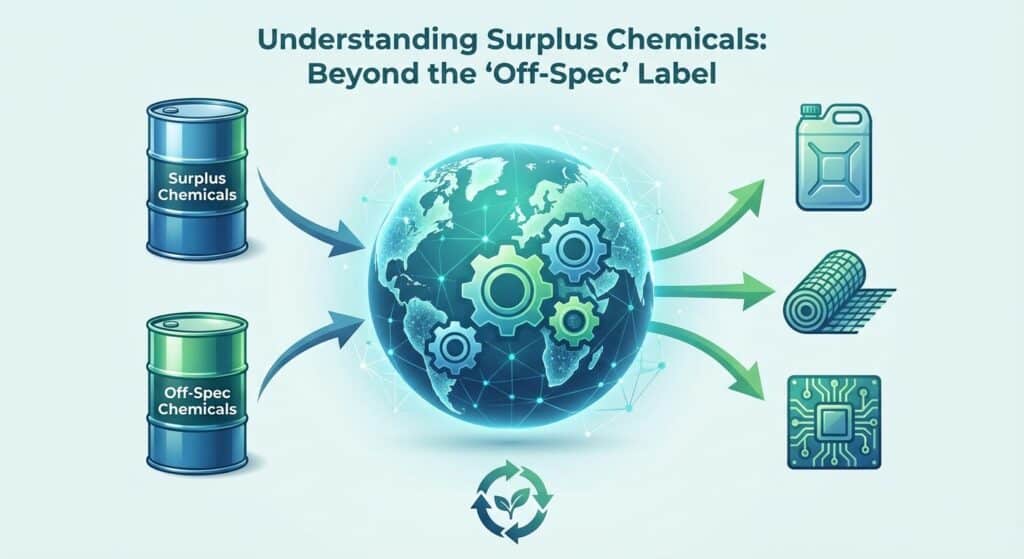
In a crisis of this magnitude, traditional supply chains are no longer sufficient. The surplus chemical market, often overlooked, has now become a critical source of supply and a powerful tool for navigating the disruption. For each of the affected chemicals, viable alternatives are available for those who know where to look.
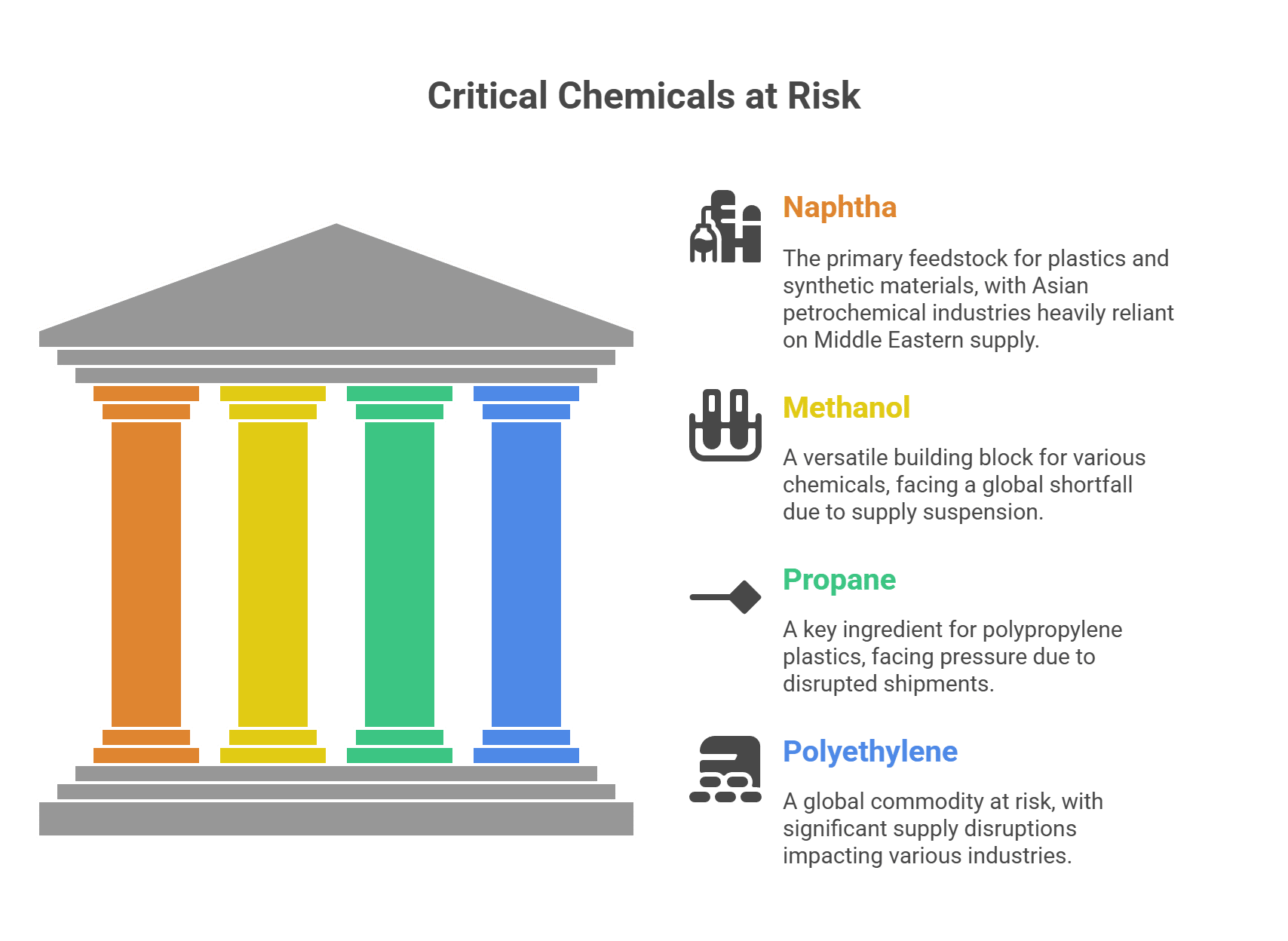
- Naphtha Alternatives: With Middle Eastern supplies constrained, North American and European producers with access to alternative feedstocks (such as shale gas-derived ethane) are now in a prime position to fill the gap. Sourcing surplus naphtha from these regions can provide a lifeline for Asian producers.
- Methanol Alternatives: The global methanol market is more diversified than the naphtha market, with significant production capacity in the Americas, Europe, and other parts of Asia. Exploring surplus chemical suppliers in these regions can help to offset the loss of supply from the Middle East.
- Propane and PE Alternatives: The US shale gas boom has created a significant surplus of propane and polyethylene. US producers are well-positioned to increase their exports to Asia and other markets affected by the crisis. This represents a major opportunity for buyers to diversify their sourcing and secure a reliable supply of these critical materials.
The Arbitrage Opportunity: Turning Crisis into Competitive Advantage
The Strait of Hormuz closure has created significant price differentials between regions. For savvy procurement teams, this presents a unique arbitrage opportunity. By leveraging the surplus market, companies can buy low in regions with excess supply (like the US) and sell high in regions with shortages (like Asia). This not only ensures a reliable supply of raw materials but also creates a new revenue stream in a time of crisis.
Conclusion: Agility is the New Stability
The Strait of Hormuz crisis is a stark reminder of the fragility of global supply chains. In this new era of geopolitical uncertainty, the old models of sourcing are no longer viable. The companies that will thrive are those that embrace agility, diversify their supplier base, and view the surplus chemical market not as a last resort, but as a strategic tool for navigating disruption and creating a competitive advantage. The time to act is now. Those who wait will be left behind.
References
[1] “2026 Strait of Hormuz crisis,” Wikipedia, https://en.wikipedia.org/wiki/2026_Strait_of_Hormuz_crisis
[2] “Strait of Hormuz closure hits Asia’s chemical industry,” C&EN, March 4, 2026, https://cen.acs.org/business/petrochemicals/Strait-Hormuz-closure-hits-Asias/104/web/2026/03
[3] “Force majeure at Oil Refineries in Singapore, South Korea and China,” CMS Law, March 6, 2026, https://cms-lawnow.com/en/ealerts/2026/03/force-majeure-at-oil-refineries-in-singapore-south-korea-and-china
[4] “Middle East Crisis Reshapes Global PE Trade: Strait of Hormuz…,” Syntex America, March 4, 2026, https://syntexamerica.com/blog/middle-east-crisis-pe-trade-impact-2026