
The Global Silicon Dioxide Market: Navigating Growth, Sustainability, and Supply Chain Opportunities
In the intricate tapestry of modern industry, few compounds are as pervasive and indispensable as silicon dioxide (SiO₂). From strengthening tires to enhancing drug delivery and preserving food, its applications are as diverse as they are critical. Understanding the global silicon dioxide market today is essential for businesses aiming for efficiency, innovation, and sustainability. For manufacturing companies in North America and Europe with surplus inventory, or companies in chemical-dependent industries in developing nations and the Far East seeking cost-effective materials, navigating this dynamic market presents unique opportunities. At Sur+, we believe in transforming challenges into growth, integrating sustainability into every solution we provide.

Silicon Dioxide Market Overview: Size, Drivers, and Dynamics
The global silicon dioxide market is a powerhouse, projected to grow significantly, driven by an expanding array of applications across various sectors. Valued at billions of dollars, this market continues to demonstrate robust annual growth (CAGR), reflecting its indispensable role in manufacturing worldwide. Key drivers influencing market expansion include:
- Booming Automotive Industry: Increased demand for high-performance tires and lightweight components that utilize advanced silica grades.
- Expanding Construction Sector: Silicon dioxide’s use in concrete, sealants, and coatings for enhanced durability and performance.
- Escalating Need for Functional Additives: Growing consumption in plastics, rubber, coatings, and adhesives for improved mechanical properties, rheology control, and surface finishes.
- Growth in Pharmaceutical and Personal Care: Increased use as excipients, glidants, anti-caking agents, and abrasives.
- Technological Advancements: Innovations in nanotechnology leading to novel applications and high-purity silica demand in electronics.
However, regulatory pressures, raw material price volatility, and the need for sustainable production methods also present significant considerations for market participants.
Market Segmentation by Type: The Diverse Forms of SiO₂
Silicon dioxide isn’t a singular product; it encompasses a family of materials with distinct properties and applications. The market is broadly segmented by type:
- Precipitated Silica: The largest segment, widely used in rubber (especially in ‘green tires’), footwear, and as a thickening, anti-caking, or free-flow agent in food, pharmaceuticals, and cosmetics.
- Fumed Silica (Pyrogenic Silica): Known for its high surface area and purity, essential in coatings, adhesives, sealants, and as a rheology control agent.
- Silica Gel: Primarily used as a desiccant, but also in chromatography, catalysts, and as a matting agent in paints.
- Colloidal Silica: Utilized in abrasives, binders, investment casting, and as a polishing agent in electronics.
- Quartz: Natural crystalline silicon dioxide, fundamental to electronics, optics, and construction materials.
Market Segmentation by End-Use Industry: Pervasive Applications
The versatility of silicon dioxide ensures its presence across a broad spectrum of industries, making it a critical component in countless products:
- Rubber: Enhances strength, abrasion resistance, and grip in tires, industrial rubber goods, and footwear.
- Plastics: Improves mechanical properties, acts as a reinforcing filler, and enhances fire retardancy and light diffusion.
- Coatings & Inks: Provides anti-settling, anti-sagging, matting properties, and scratch resistance, enhancing durability and finish.
- Food & Beverage: Functions as an anti-caking agent, thickener, clarifier, and carrier for flavors and fragrances.
- Pharmaceuticals: Used as a glidant, disintegrant, excipient, and adsorbent in tablets, capsules, and suspensions.
- Personal Care & Cosmetics: Acts as an abrasive, anti-caking agent, opacifying agent, and suspending agent in products like toothpaste, makeup, and lotions.
- Electronics: Crucial in semiconductors, insulation, chemical-mechanical planarization (CMP) slurries, and optical fibers.
- Agriculture: Employed in fertilizers, pesticides, and animal feed for improved flowability and anti-caking, and as a soil amendment.
- Automotive: Beyond tires, used in various components for durability, insulation, and performance enhancement.
Regional Market Analysis: A Global Perspective
Understanding regional market dynamics is crucial for strategic planning:
- Asia Pacific: Dominates the market, fueled by rapid industrialization, burgeoning manufacturing sectors (rubber, electronics, automotive, construction), and increasing disposable income in countries like China, India, Japan, and Southeast Asia. This region also represents a significant pool of buyers for cost-effective materials.
- North America & Europe: Mature markets characterized by high demand for specialized and high-purity silica, along with a strong focus on sustainable production methods and innovation. These regions are also significant sources of surplus inventory due to advanced manufacturing capabilities and stringent environmental regulations.
- Latin America & Middle East & Africa: Emerging markets showing promising growth due to infrastructure development, expanding manufacturing bases, and increasing demand for consumer goods. Investment opportunities are on the rise in these regions.
Competitive Landscape and Emerging Trends
The silicon dioxide market features a robust competitive landscape with several global players driving innovation and production. Major manufacturers leverage extensive R&D, strategic partnerships, and vast distribution networks to maintain their market share. Key strategies include expanding production capacities, developing specialized grades for niche applications, and investing in sustainable manufacturing processes.
Innovation is continuously reshaping the silicon dioxide market, presenting new opportunities:
- Nanotechnology: Nanoscale silica offers enhanced properties for advanced materials, drug delivery systems, and next-generation electronics.
- Sustainable Production: Growing emphasis on green manufacturing processes, utilizing renewable resources, and reducing the environmental footprint of silica production. This aligns perfectly with a focus on green corporate policies.
- Novel Applications: Exploration into new uses in areas like energy storage, water purification, smart textiles, and advanced catalytic supports.
- Circular Economy Principles: The increasing focus on recycling, repurposing, and efficient material management, including surplus chemicals, directly drives opportunities for sustainable solutions.
Pricing Analysis and Supply Chain Dynamics for New Silicon Dioxide
The pricing of newly produced silicon dioxide is influenced by several factors, including raw material costs (e.g., quartz sand, silicates), energy prices, production technology, and regional supply-demand imbalances. The supply chain is complex, involving mining, chemical processing, and extensive global distribution networks. Global events, trade policies, and logistics challenges can significantly impact lead times and costs, emphasizing the need for resilient and adaptable procurement strategies for businesses in chemical-intensive sectors.
Connecting Surplus to Opportunity: A Sustainable Solution
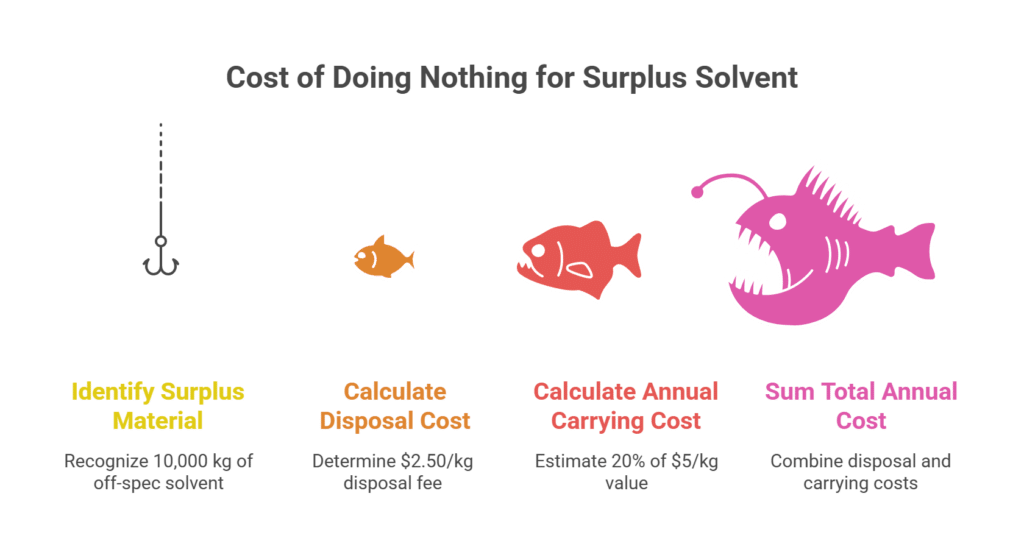
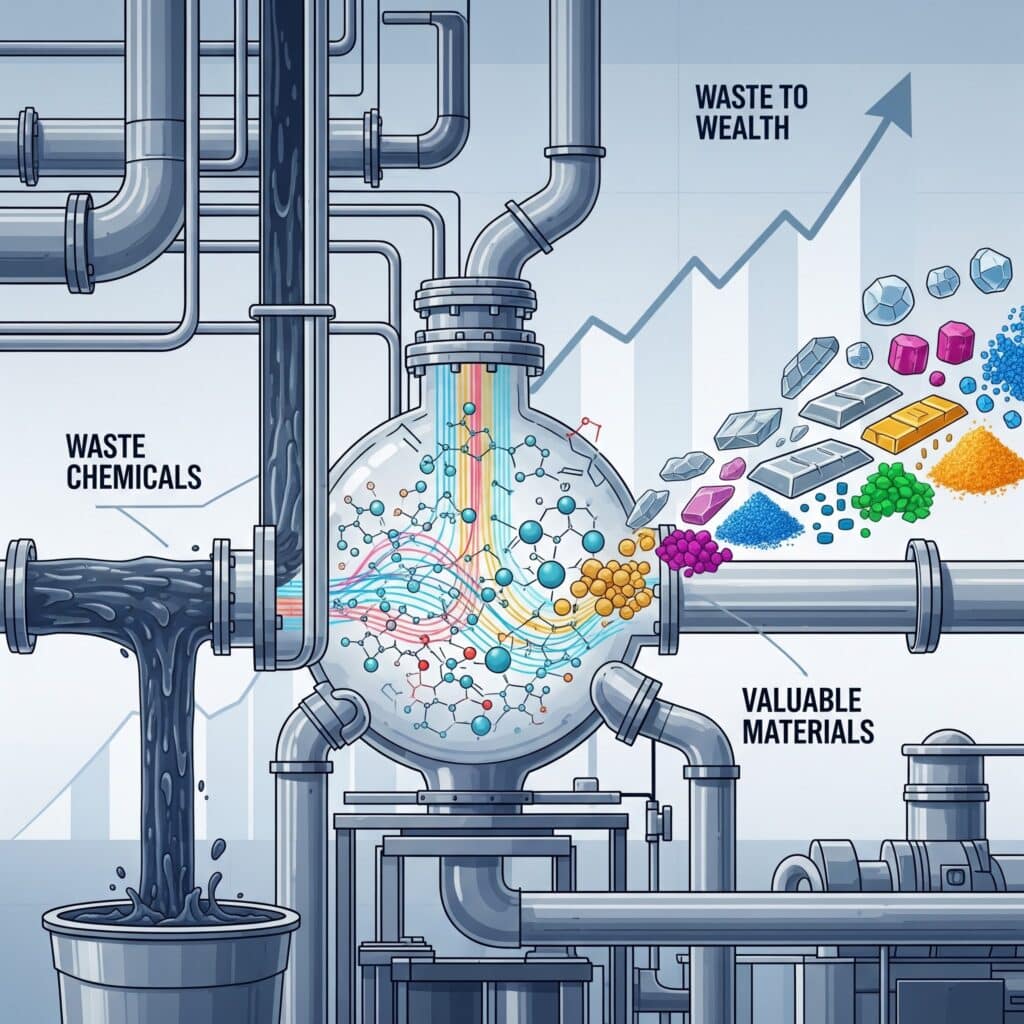
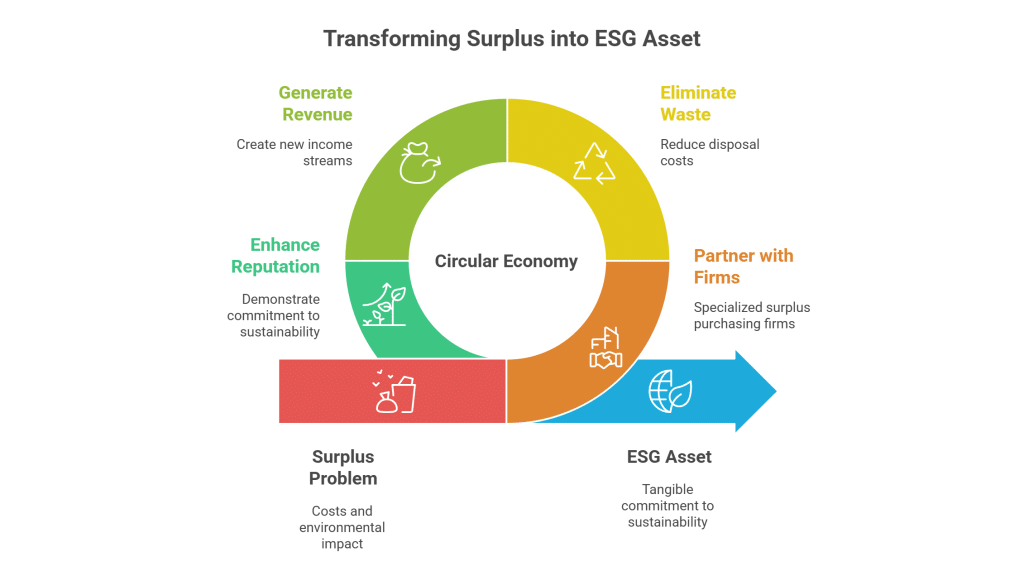
While the market for newly produced silicon dioxide is thriving, there’s also a significant, often overlooked, segment: surplus chemical inventory. For manufacturing companies in North America and Europe, managing excess silicon dioxide or other chemicals can be a costly challenge, often leading to environmentally detrimental disposal. This is where Sur+ provides a unique and impactful solution. We specialize in globally recycling and repurposing surplus chemical inventory, connecting sellers of high-quality excess materials with buyers worldwide, particularly in developing countries, India, and the Far East, who are seeking cost-effective alternatives. This not only offers a profitable avenue for companies to offload surplus but also champions environmental responsibility by preventing valuable resources from becoming waste. Our uncompromising customer care ensures seamless, confidential, and professional service, turning surplus into a shared economic and environmental gain. It’s “A WORLD OF SOLUTIONS FOR SURPLUS STOCK,” integrating sustainability into every solution we provide.
Conclusion
The silicon dioxide market is a testament to the compound’s enduring utility and future potential. As industries evolve and demand for high-performance, sustainable materials grows, understanding its dynamics is paramount. Sur+ stands as a crucial partner in this ecosystem, facilitating a circular economy for chemical resources. By transforming surplus into opportunity, we empower businesses worldwide to achieve economic efficiency while upholding vital environmental responsibilities. Partner with Sur+ to unlock the value in your chemical inventory and contribute to a more sustainable future.
What is the projected growth rate of the global silicon dioxide market?
The global silicon dioxide market is projected to demonstrate robust annual growth (CAGR) over the forecast period, driven by increasing demand across various end-use industries. Specific projections vary by report but consistently indicate significant expansion.
Which regions are key players in silicon dioxide production and consumption?
Asia Pacific currently dominates both production and consumption, followed by North America and Europe, which are significant players in specialized silica grades and sources of surplus inventory. Latin America and the Middle East & Africa are emerging markets with growing demand.
How does silicon dioxide contribute to sustainability in manufacturing?
Silicon dioxide contributes to sustainability through its role in developing durable, longer-lasting products (e.g., green tires), enabling lighter-weight materials for fuel efficiency, and facilitating advanced manufacturing processes. Furthermore, responsible management and repurposing of surplus silicon dioxide, as championed by Sur+, directly supports circular economy principles and reduces waste.
What are the primary types of silicon dioxide and their main applications?
The primary types include precipitated silica (used in rubber, food, pharma), fumed silica (in coatings, adhesives), silica gel (desiccants, chromatography), colloidal silica (polishing, binders), and natural quartz (electronics, construction). Each type has distinct properties tailored for specific industrial applications.
How can surplus silicon dioxide inventory be a sustainable and cost-effective solution?
Surplus silicon dioxide inventory can be a sustainable and cost-effective solution by connecting sellers with excess materials to buyers seeking affordable alternatives. This process reduces waste, minimizes environmental impact from disposal, and provides economic benefits for both parties, fostering a more efficient and circular supply chain.