
This article provides a clear, data-driven framework for calculating the financial impact of a chemical derivatives program, designed for CFOs, finance directors, and procurement leaders who need to build a robust business case.
The “Cost of Doing Nothing”: Deconstructing the Hidden Costs of Waste
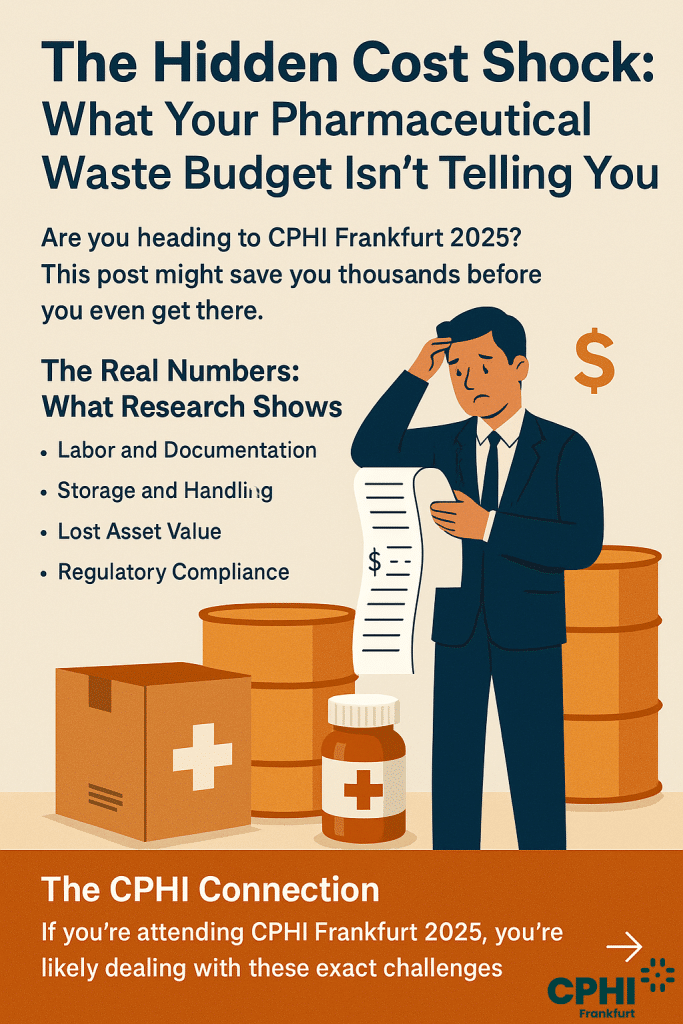
Before calculating the upside of a derivatives program, it is essential to have a clear-eyed view of the true cost of the status quo. The line item for “waste disposal” on a P&L statement is often just the tip of the iceberg. The total cost of holding and disposing of surplus inventory is a constellation of hidden expenses that can be substantial.
- Carrying Costs: This is the most significant hidden cost. Industry analyses have shown that the annual cost of holding inventory can be as high as 25-45% of the inventory’s value [1]. This includes the cost of capital tied up in unsold goods, as well as insurance, taxes, and storage expenses.
- Disposal and Destruction Costs: For hazardous or regulated materials, these costs can be exorbitant. They include transportation, permitting, and the fees charged by specialized waste management facilities. These costs are not static; they are rising due to tightening environmental regulations.
- Regulatory and Compliance Costs: This includes the internal labor costs associated with managing waste manifests, tracking materials, and ensuring compliance with EPA, OSHA, and state-level regulations. The administrative burden is a significant, though often un-costed, expense.
- Risk and Liability Costs: Storing surplus chemicals, particularly hazardous ones, carries inherent risks of spills, accidents, and potential environmental liabilities. While difficult to quantify, the potential financial impact of a single incident can be catastrophic.

Summing these costs reveals the true financial burden of your pharmaceutical waste, providing a powerful baseline against which to measure the ROI of a derivatives program.
The “Upside of Transformation”: A Model for Calculating ROI
The financial model for a surplus derivatives program is a straightforward calculation that compares the net revenue from selling the derivative against the costs avoided by not disposing of the surplus. The ROI can be expressed with the following formula:
ROI (%) = [ (Net Revenue from Derivative – Transformation Cost) + Avoided Disposal Costs ] / (Transformation Cost) * 100

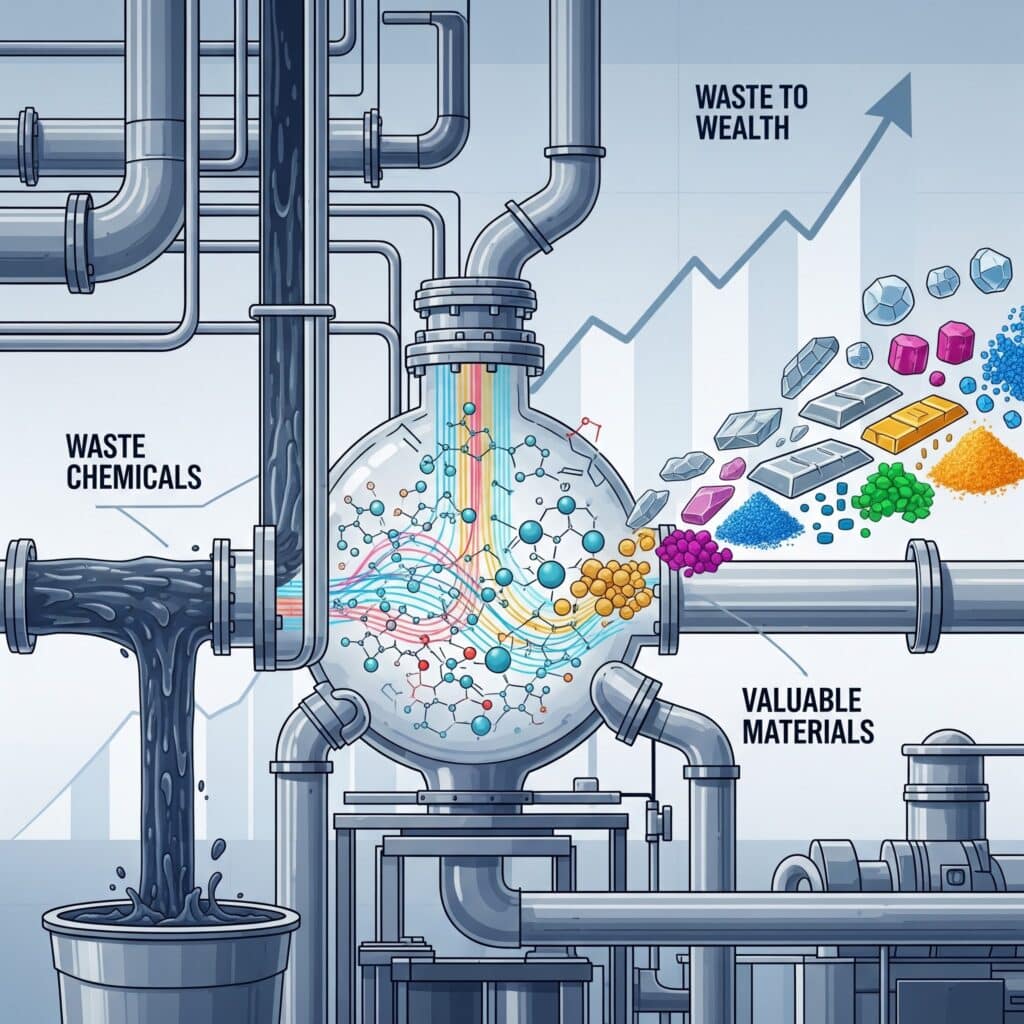
Deconstructing the Hidden Costs of Waste
- Net Revenue from Derivative: The market price at which the final derivative product is sold.
- Transformation Cost: The fee paid to a toll manufacturer or partner to process the surplus chemical into the derivative.
- Avoided Disposal Costs: The total, all-in cost that would have been incurred to dispose of the surplus material.
Case Study Simulation: Transforming Surplus Solvent
Let’s consider a hypothetical but realistic scenario for a mid-sized pharmaceutical company.
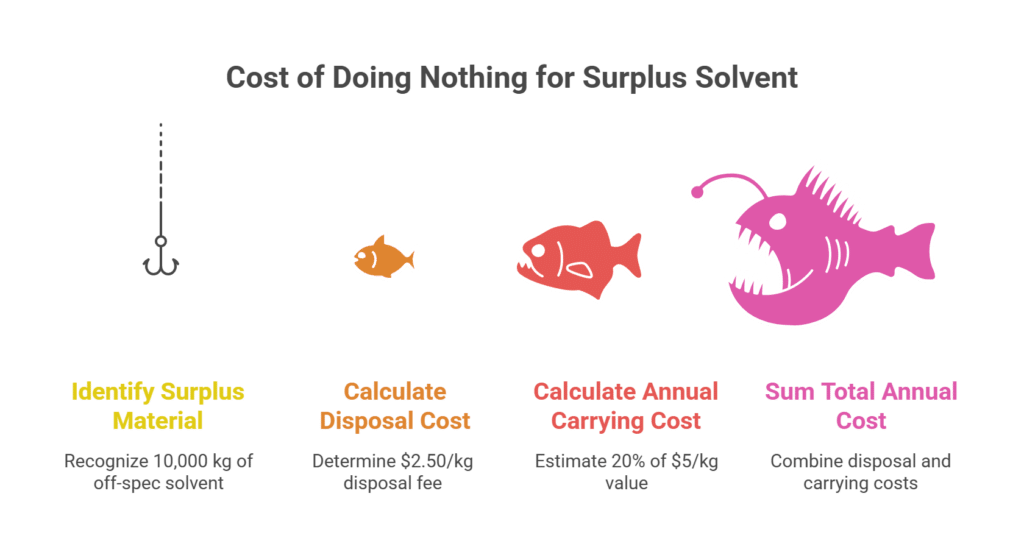
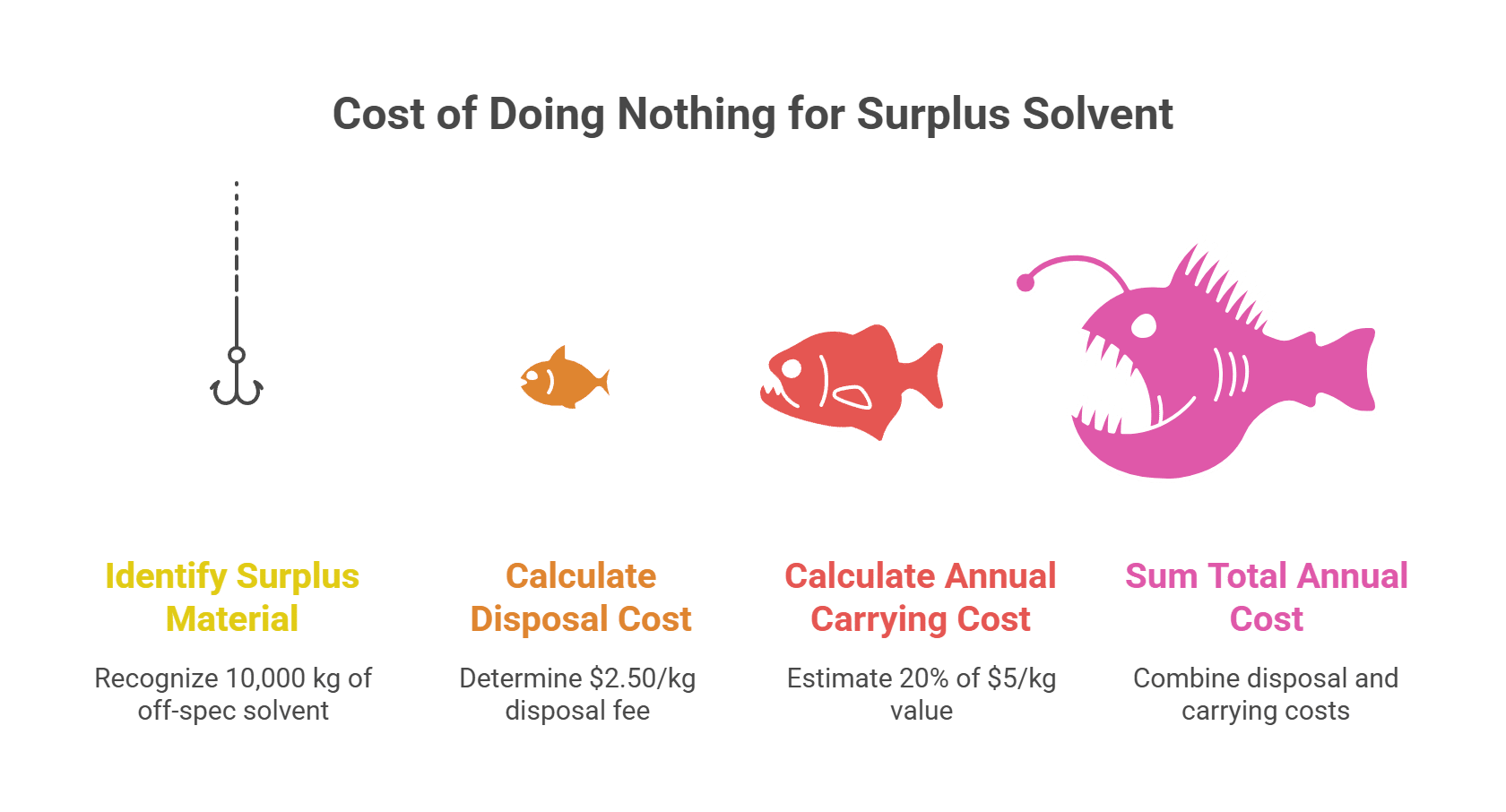
- Surplus Material: 10,000 kg of a mid-grade solvent, slightly off-spec and cannot be used in a GMP process.
- Cost of Doing Nothing:
- Disposal Cost: $2.50/kg = $25,000
- Annual Carrying Cost (estimated at 20% of a notional $5/kg value): $10,000
- Total Annual Cost: $35,000
- The Derivatives Opportunity:
- A specialty chemical company is willing to buy a purified, higher-grade version of this solvent for use in an industrial cleaning application.
- Transformation: The surplus solvent can be run through a distillation process by a toll manufacturer to achieve the required purity.
- Transformation Cost: The toll manufacturer charges $1.50/kg = $15,000
- Market Price of Derivative: The purified solvent can be sold for $4.00/kg, generating $40,000 in revenue.
- Calculating the Financial Impact:
- Net Profit from Transformation: $40,000 (Revenue) – $15,000 (Cost) = $25,000
- Total Value Created: $25,000 (Net Profit) + $35,000 (Avoided Costs) = $60,000
- ROI: ($25,000 + $35,000) / $15,000 * 100 = 400%
In this single transaction, the company turned a $35,000 liability into a $25,000 profit, a total financial swing of $60,000, and achieved a 400% return on the transformation investment.
Beyond ROI: The Intangible Financial Benefits
While the ROI calculation is compelling, the financial benefits of a derivatives program extend beyond a single transaction.
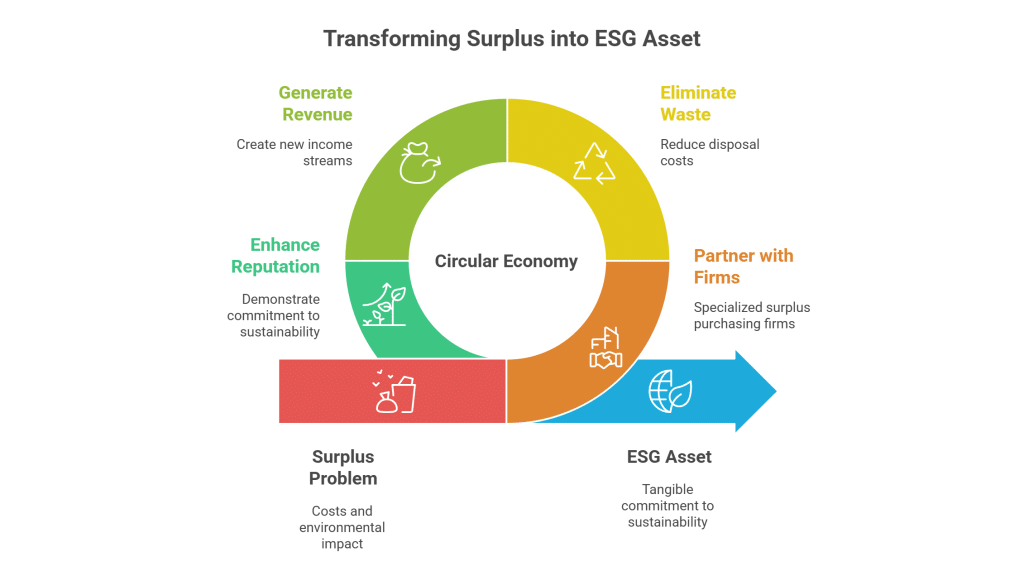
- Enhanced ESG Profile: Companies with strong sustainability and circular economy programs are increasingly favored by institutional investors. A successful derivatives program can directly contribute to a higher ESG rating, which can lower the cost of capital and increase shareholder value [2]. This is a key component of becoming a true ESG champion.
- Brand Reputation: Demonstrating a commitment to innovation and sustainability enhances brand equity, which can translate into improved customer loyalty and pricing power.
- Innovation Culture: Championing a program that turns waste into value sends a powerful message throughout the organization, fostering a culture of creativity and resourcefulness that can have wide-ranging positive impacts on financial performance.
A Mandate for Financial Leadership
The evidence is clear: a strategic approach to surplus chemical derivatives is not just an environmental initiative; it is a powerful financial lever. It offers a rare opportunity to simultaneously cut costs, generate new revenue, and enhance a company’s standing with investors and customers.
For CFOs and procurement leaders, the mandate is to champion this shift in perspective. It requires looking beyond the traditional boundaries of waste management and seeing the hidden financial potential within your surplus streams. By partnering with specialists who can navigate the technical and logistical complexities, you can unlock this value and turn a long-standing cost center into a new and unexpected source of profit.
References
[1] “Inventory Carrying Costs: Everything You Need to Know,” NetSuite, https://www.netsuite.com/portal/resource/articles/inventory-management/inventory-carrying-costs.shtml
[2] “The ESG premium: New perspectives on value and performance,” McKinsey & Company, https://www.mckinsey.com/business-functions/sustainability/our-insights/the-esg-premium-new-perspectives-on-value-and-performance