
As the chemical industry converges on Chemspec Europe, the sessions on decarbonization and the circular economy are not just about corporate responsibility. They are about economic survival and competitive differentiation.
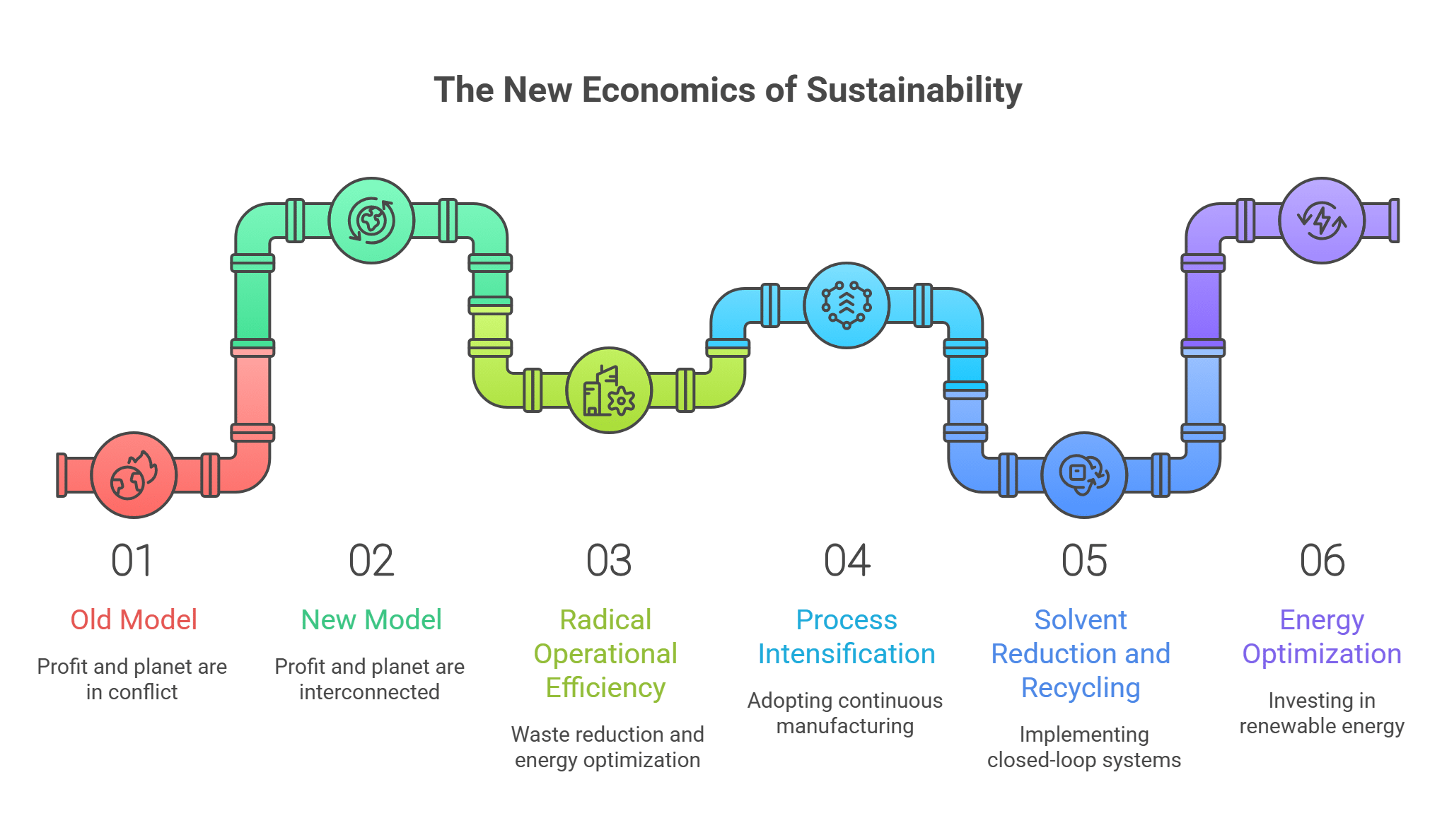
The New Economics of Sustainability
The old model pitted profit against the planet. The new model understands they are two sides of the same coin. The profitability of sustainability stems from four primary sources:
1. Radical Operational Efficiency
At its core, waste is a sign of inefficiency. Every kilogram of unused raw material, every liter of discarded solvent, and every kilowatt-hour of wasted energy represents a direct hit to your bottom line. Decarbonization forces a rigorous re-examination of every process in your operation.
A 2024 report by the American Chemistry Council found that member companies that invested in circular economy practices saw an average 15% reduction in operational waste and a 10% improvement in energy efficiency over a five-year period, directly linking sustainable practices to operational gains [4].
This leads to initiatives like:
- Process Intensification: Adopting continuous manufacturing and advanced catalytic pathways to reduce energy consumption and improve yields.
- Solvent Reduction and Recycling: Implementing closed-loop systems that minimize the purchase of virgin solvents and the cost of waste disposal.
- Energy Optimization: Investing in renewable energy sources and heat integration to lower energy costs, which are often one of the largest variable costs in chemical manufacturing.
2. Creation of New Revenue Streams
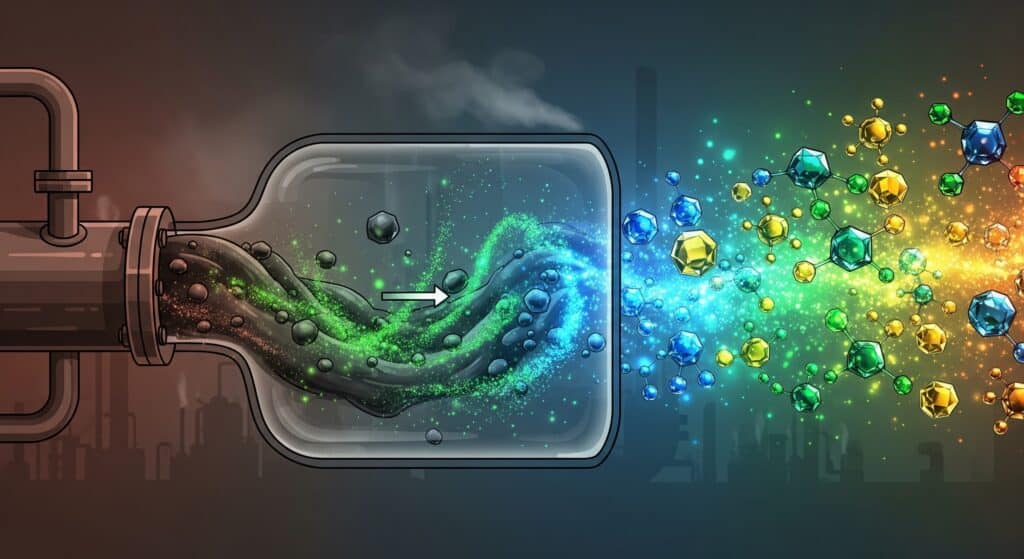
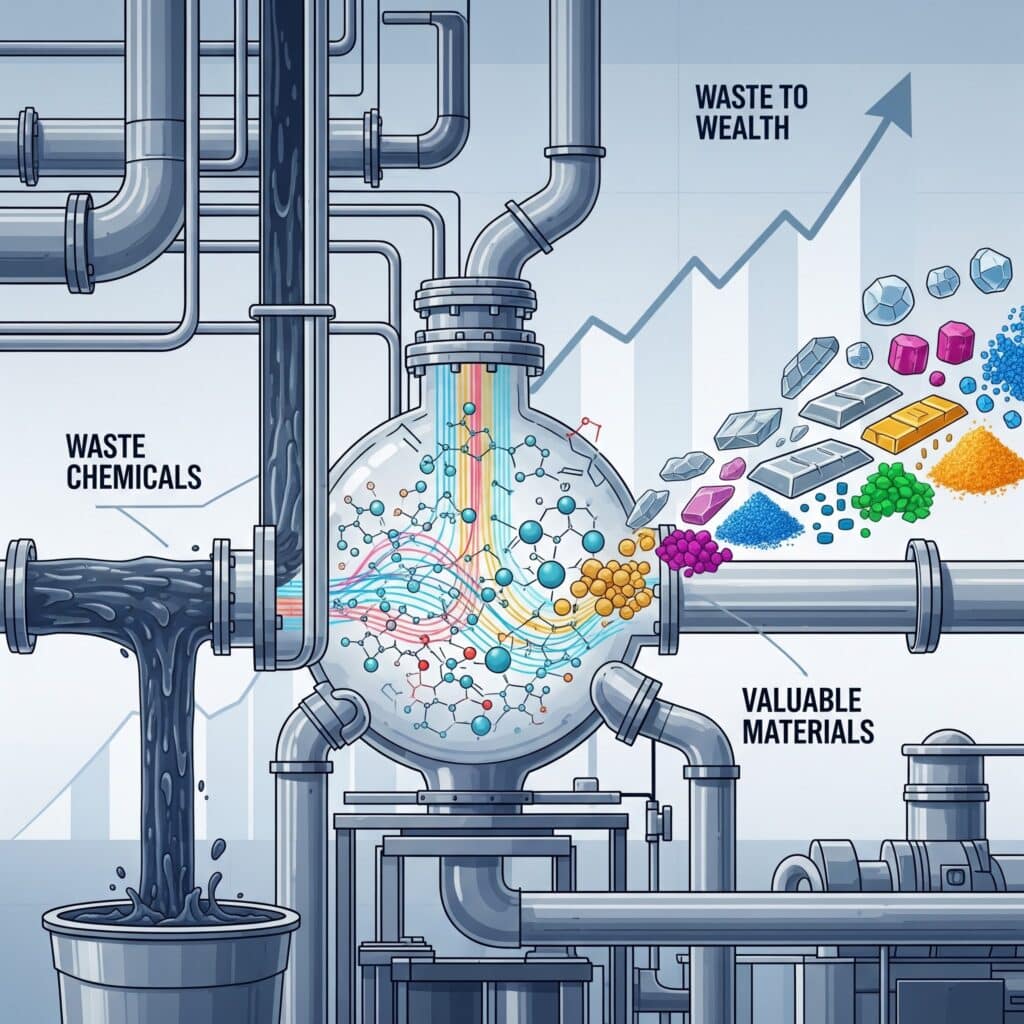
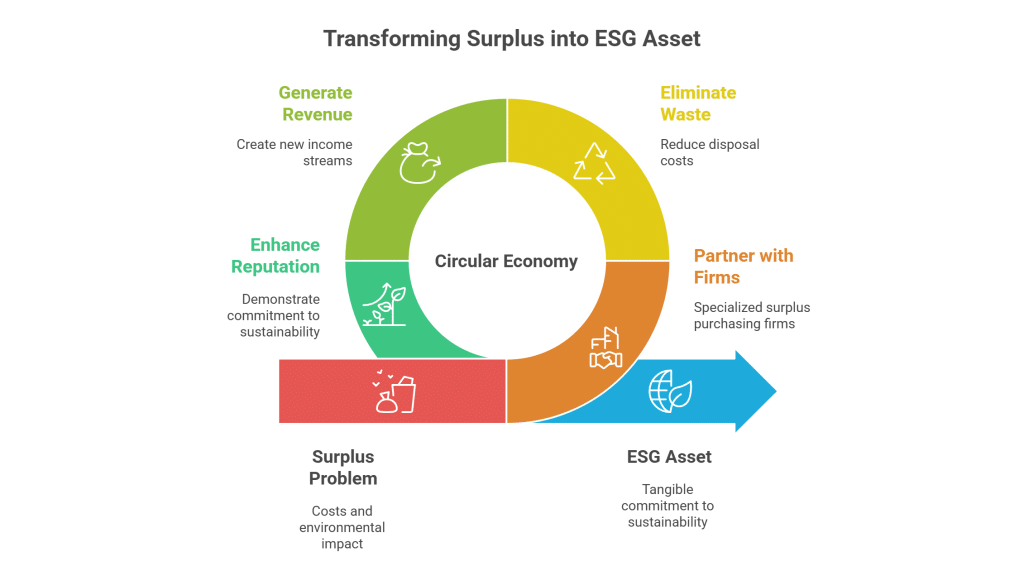
The circular economy is the ultimate expression of sustainability-driven profit. It transforms the concept of “waste” into “resource.” What was once a costly disposal problem becomes a new product line.
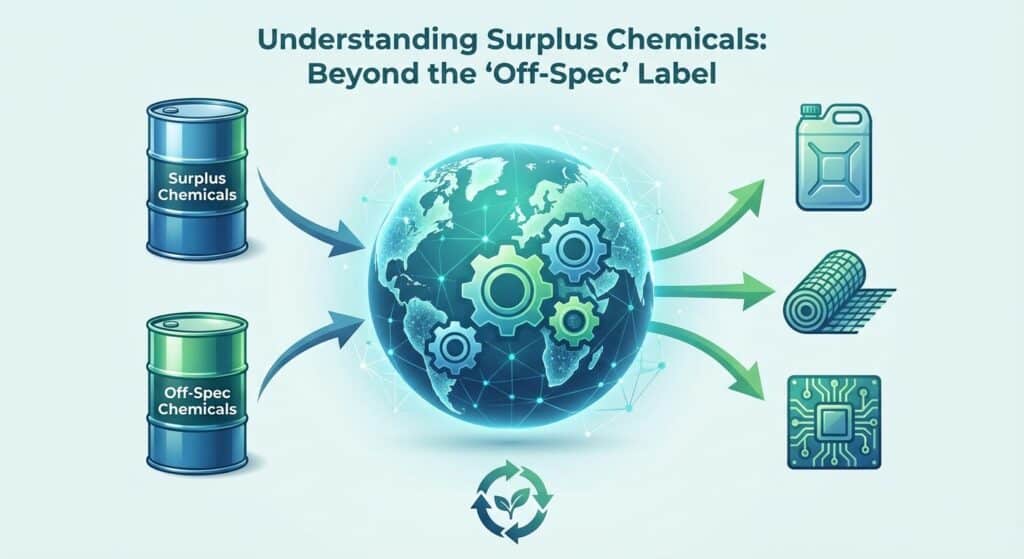
This is where the market for surplus chemicals plays a pivotal role. An off-spec batch, a customer return, or a co-product from a reaction is not waste; it is a valuable raw material for another process or another industry. By partnering with specialized surplus chemical suppliers, companies can turn a balance sheet liability into a new source of revenue.
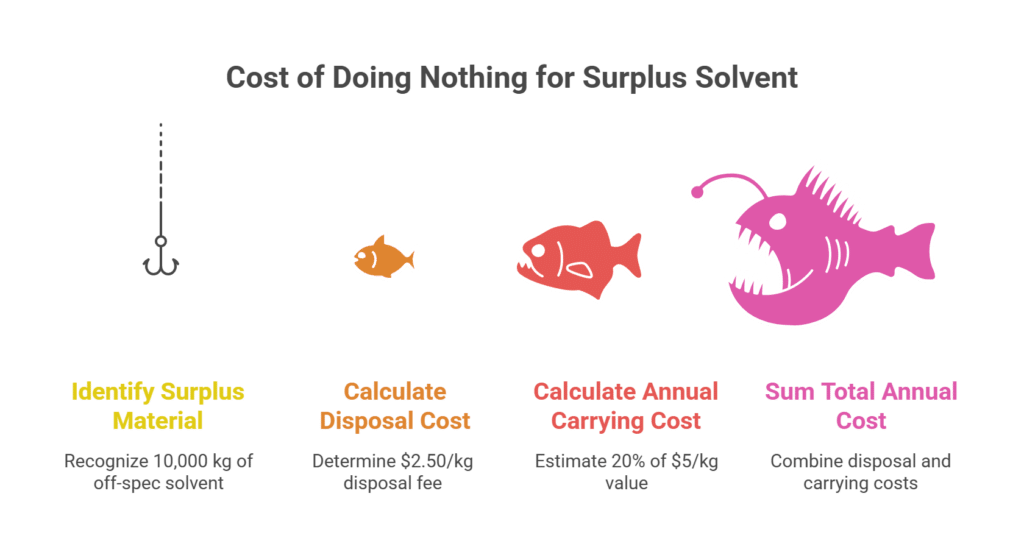
Consider the case of a fine chemical manufacturer that produced a 10,000 kg batch of solvent that was slightly out of specification for its pharmaceutical client. The disposal cost was quoted at $35,000. Instead, by working with a surplus trader, they were able to sell the batch to a coatings manufacturer for $25,000. The net result was a $60,000 positive swing on their P&L.
3. Reduced Risk and Enhanced Resilience
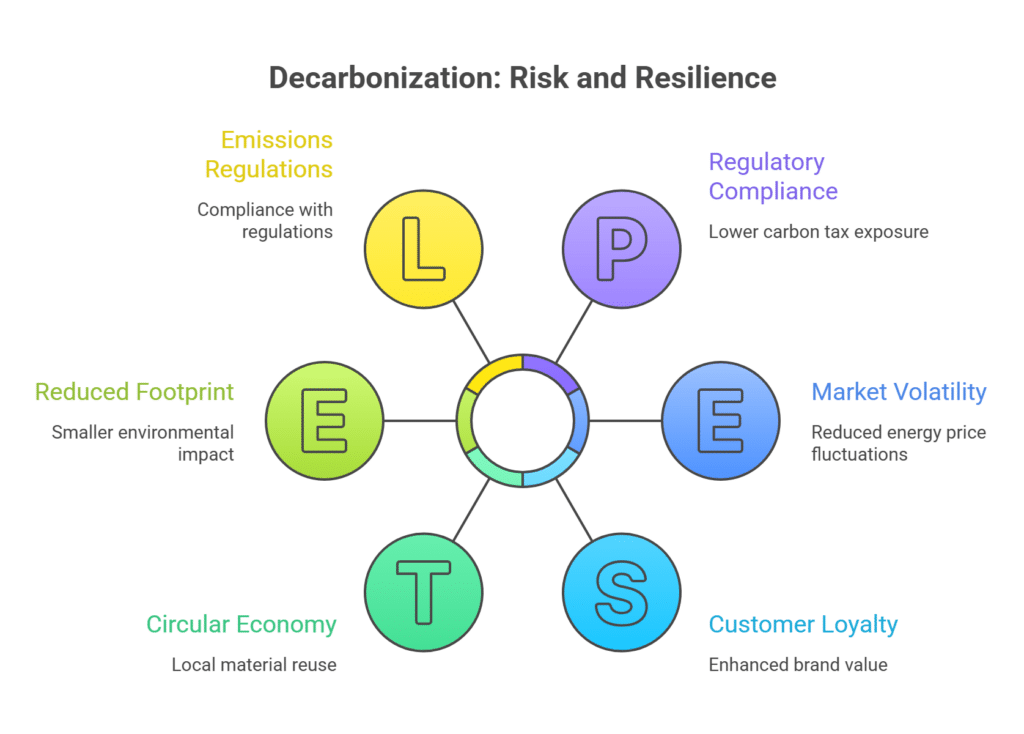
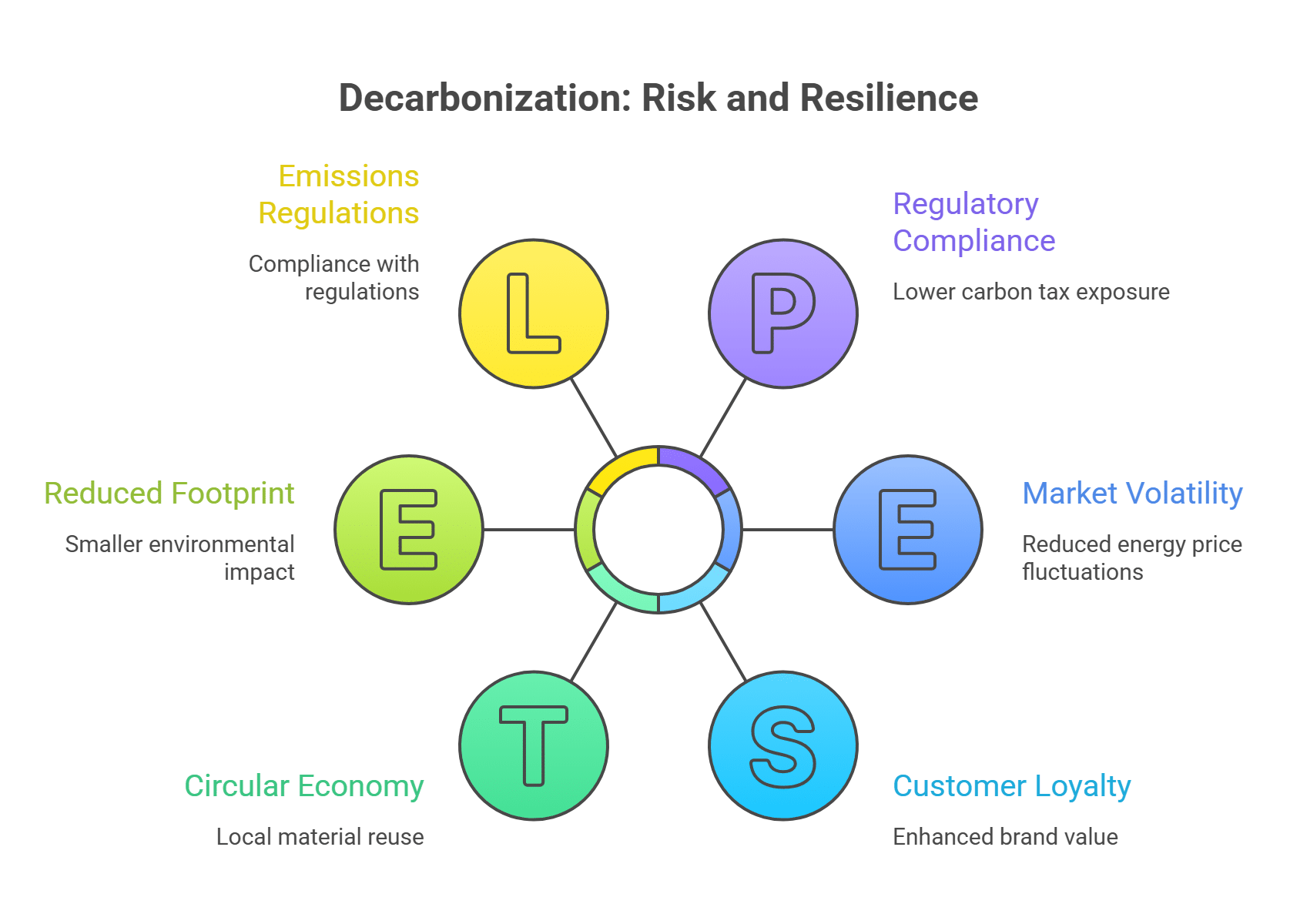
A sustainable operation is inherently a more resilient one. By reducing your reliance on virgin raw materials and volatile energy markets, you insulate your business from geopolitical shocks and price fluctuations.
- Lower Regulatory Risk: Companies with a smaller environmental footprint are less exposed to future carbon taxes, emissions regulations, and other compliance costs. A 2025 report from Deloitte highlights that a proactive stance on decarbonization can reduce a company’s long-term regulatory risk profile by up to 30% [2].
- Improved Supply Chain Security: A circular model that reuses and recycles materials locally reduces dependence on long, complex global supply chains, making your business less vulnerable to disruptions.
4. Enhanced Brand Value and Customer Loyalty
In today’s market, customers are increasingly making purchasing decisions based on the environmental credentials of their suppliers. A demonstrated commitment to sustainability is a powerful differentiator that can lead to increased market share and improved customer loyalty.
This is particularly true in the B2B space, where your customers are facing their own pressure from stakeholders to build sustainable supply chains. By becoming a leader in sustainability, you become a more attractive partner to the most desirable customers.
Conclusion: The Path to Sustainable Profit
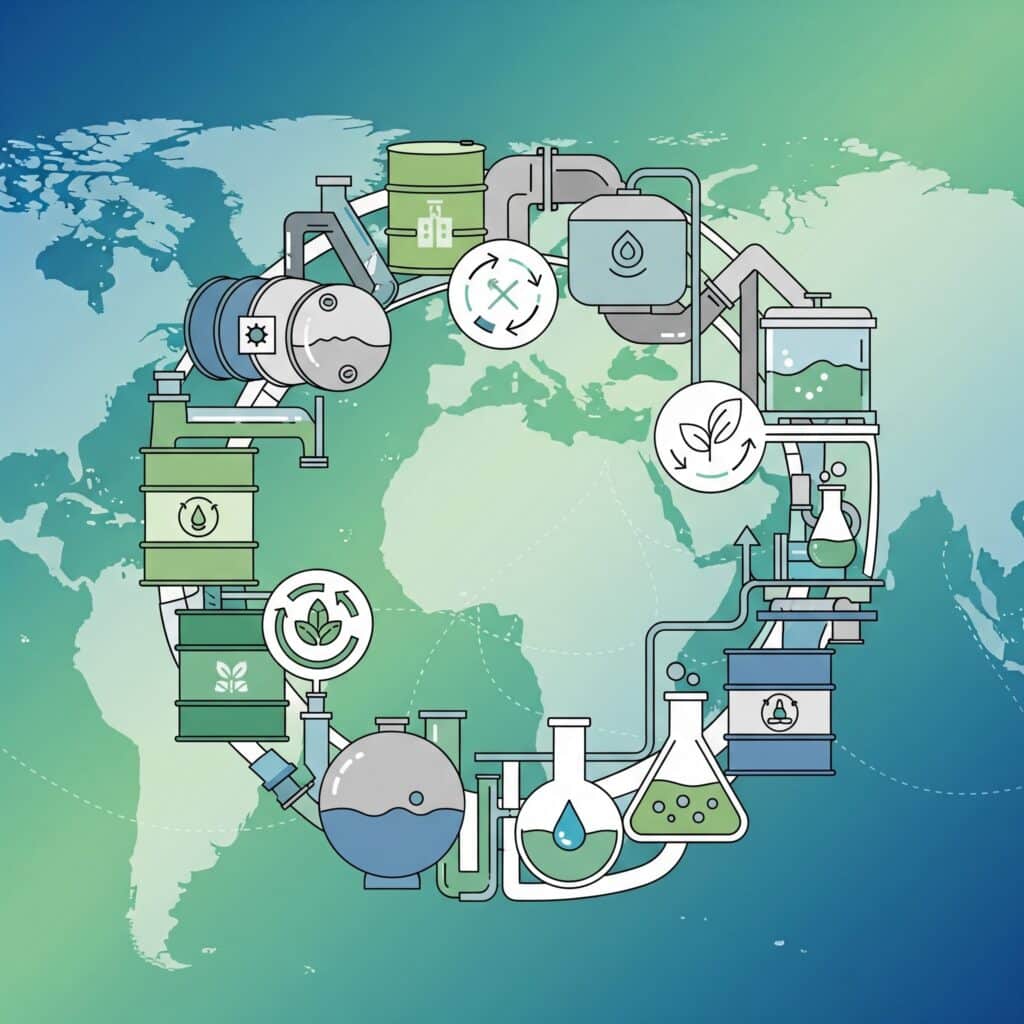
The transition to a sustainable, circular model is not a simple or easy one. It requires a fundamental shift in mindset, from a linear “take-make-dispose” model to a circular “recover-regenerate-reuse” approach. It requires investment in new technologies and processes, and a willingness to challenge long-held assumptions.
However, the evidence is clear: the financial rewards for those who make the transition are immense. Decarbonization is not a cost to be minimized; it is an investment in a more efficient, resilient, and profitable future.
But how do you take these brilliant, sustainable innovations and scale them effectively from the lab to full production? That is the critical next step, and the subject of our next article in this series.
References
[4] American Chemistry Council. (2024). “2024 State of the Chemical Industry Report.” https://www.americanchemistry.com/chemistry-in-america/news-trends/state-of-the-industry
[1] World Economic Forum. (2024). “The Business Case for a Sustainable Future.” https://www.weforum.org/reports/the-business-case-for-a-sustainable-future
[2] Deloitte. (2025). “The Sustainable Enterprise: Connecting ESG and Financial Performance.” https://www2.deloitte.com/us/en/insights/topics/strategy/esg-and-financial-performance.html
[3] Ellen MacArthur Foundation. “What is a Circular Economy?” https://www.ellenmacarthurfoundation.org/topics/circular-economy-introduction/overview ”’